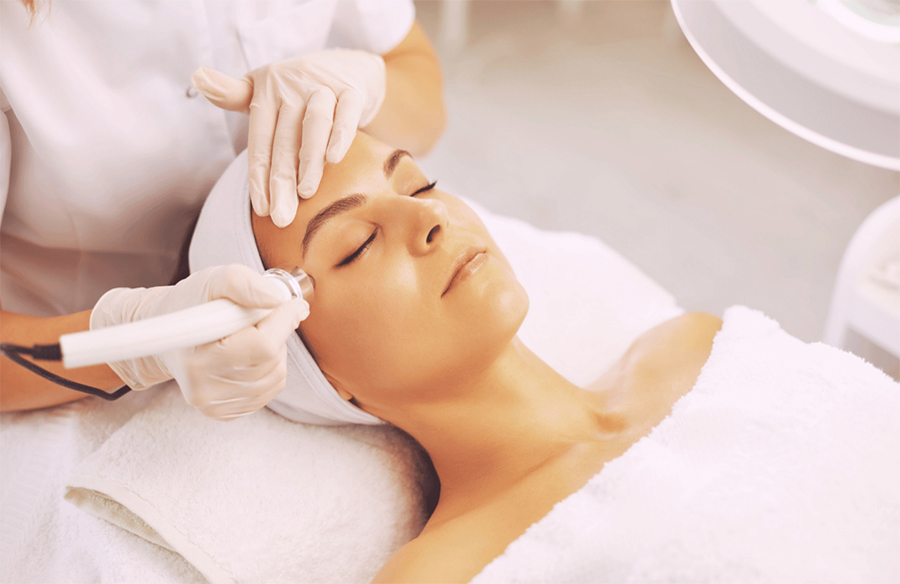
For years, many people approached skin concerns reactively. A change would appear, then a treatment would follow. That pattern is starting to shift. More people now ask how to maintain skin quality before visible changes take hold, while also addressing existing concerns. This has led to a growing interest in combining fractional and non-ablative laser treatments, creating treatment plans that move between prevention and correction rather than focusing on a single outcome.
This reflects a broader shift in how clinical skin treatments are approached, balancing proactive management with corrective intervention, shaped by time pressures, access to information, and growing awareness of how skin ages.
A move away from single-treatment thinking
For years, skin treatments were often approached as isolated decisions. A single concern would lead to a single treatment. That model is changing.
Recent industry data from aesthetic device manufacturers and clinical reports suggest a steady increase in the use of combination-based treatment plans. Clinics report higher demand for staged approaches where different technologies are used at different points in a treatment timeline. The aim is not to rely on a single method but to address multiple layers of skin function.
Fractional and non-ablative laser treatments sit at different ends of the treatment spectrum. One focuses on more targeted resurfacing. The other supports gradual change with less disruption to daily life. Used together, they can form part of a structured plan that evolves over time.
Understanding the difference between non-ablative and fractional laser skin treatments
Non-ablative laser treatment works beneath the skin’s surface without removing the outer layer. It delivers controlled heat into the dermis, encouraging changes in collagen structure over time. Because the surface remains intact, recovery tends to be shorter. This makes it appealing for people balancing work, family, and social commitments.
Fractional laser treatment takes a different approach. It creates microscopic treatment zones within the skin, allowing surrounding tissue to support recovery. This can be used to target more visible concerns such as uneven texture, pigmentation, or scarring.
The difference is not simply about intensity. It is about timing and purpose. Non-ablative treatments are often used earlier, when changes are subtle. Fractional treatments may be introduced later, or used intermittently when deeper correction is required.
Why many people are now combining both
The decision to combine treatments often comes down to three practical factors.
First, lifestyle. Many people want options that fit around their schedules. Non-ablative sessions can be spaced regularly with minimal disruption. Fractional treatments can then be planned at times when a longer recovery period is manageable.
Second, prevention. There is growing awareness that early intervention can influence how skin changes over time. Research into collagen degradation shows that production begins to decline in the late twenties, with further reductions linked to sun exposure and environmental stress. Non-ablative laser treatment can be used as part of a routine to support skin structure before more visible changes occur.
Third, correction. When concerns such as pigmentation, fine lines, or textural irregularities become more noticeable, fractional laser treatment offers a more targeted approach. Combining the two allows people to address both early and established changes without relying on a single approach.
The role of laser skin treatment device technology
Advances in laser technology have played a key role in making combination treatments more accessible.
Devices using the ipixel hand piece, for example, allow practitioners to deliver fractional energy in controlled patterns. This helps target specific areas while leaving surrounding tissue intact. The design supports a more targeted application, which can influence how the skin responds during recovery.
The Dye SR hand piece focuses on vascular and pigment-related concerns. It targets specific chromophores in the skin, which can be relevant for redness or uneven tone. When used alongside other modalities, it allows clinics to adjust treatment sequences based on the underlying cause of visible skin changes.
These tools do not replace clinical judgement. They provide options that can be adjusted depending on skin type, concern, and tolerance for downtime.
What the research suggests
Clinical studies continue to explore how different laser modalities affect skin structure. Non-ablative treatments have been shown to stimulate collagen remodelling over a series of sessions, with gradual improvements in skin texture and elasticity.
Fractional treatments, particularly those that create controlled micro-injuries, may show more noticeable changes in surface texture and pigmentation after recovery. The trade-off is a longer healing period.
A review published in dermatology journals has highlighted that combination approaches may improve outcomes for certain concerns. By addressing both superficial and deeper layers of the skin, these strategies can produce more balanced results than single-modality treatments.
However, outcomes vary. Skin type, medical history, and adherence to aftercare all influence how the skin responds.
Timing and planning in skincare
One of the less discussed aspects of combination treatments is timing.
Non-ablative sessions are often scheduled in a series, spaced several weeks apart. This allows the skin to respond gradually. Fractional treatments may be introduced after an initial series, or reserved for specific concerns that do not respond to milder approaches.
Seasonality also plays a role. Many clinics recommend planning more intensive treatments during periods of lower sun exposure, as this can reduce the risk of complications related to pigmentation.
For people considering laser treatments in Brisbane and Gold Coast, where UV levels remain high for much of the year, this becomes particularly relevant. Sun protection and timing need to be considered alongside treatment choice.
What patients are asking now
Consultation trends are changing. Patients are asking more detailed questions about how treatments work, how long results may last, and how different options compare.
There is also greater interest in long-term planning. Rather than asking what will fix a concern quickly, many people are asking how to maintain skin quality over time.
Clinics such as Prophile Clinics report that patients are increasingly open to structured treatment plans that combine different modalities. This reflects a broader shift towards informed decision making, where patients weigh benefits, risks, and practical considerations before proceeding.
Managing expectations
It is important to approach laser treatments with realistic expectations.
No single treatment can stop the natural ageing process. Results develop over time and vary between individuals. Some people may notice gradual improvements in texture or tone. Others may require adjustments to their treatment plan based on how their skin responds.
Aftercare also plays a central role. Sun protection, gentle skin care, and adherence to clinical advice can influence outcomes and reduce the risk of complications.
Risks and considerations
As with any medical or cosmetic procedure, laser treatments carry risks.
These may include temporary redness, swelling, or changes in pigmentation. In some cases, particularly with more intensive treatments, there may be a risk of infection or delayed healing.
A thorough consultation is essential. This should include a review of medical history, skin type, and any previous treatments. It should also cover what to expect during recovery and when to seek advice if concerns arise.
AHPRA guidelines emphasise the importance of clear communication and informed consent. Patients should be given balanced information about potential outcomes and risks before making a decision.
A broader shift in people’s health and lifestyle
The growing interest in combining fractional and non-ablative laser treatments reflects a wider trend in people’s health.
There is a stronger focus on early action, long-term planning, and informed choices. Skin care is being viewed in the same way as other aspects of health. It is something to manage over time rather than react to in isolated moments.
This does not mean more treatment is always better. It means choosing the right approach at the right time, based on individual needs and circumstances.
Where this trend is heading
The move towards combination treatments is likely to continue.
As technology evolves, devices will offer more ways to adjust energy delivery and target specific concerns. At the same time, patient expectations will continue to shift towards approaches that fit into everyday life.
For clinics, the challenge lies in balancing access to new technology with responsible use. For patients, it lies in understanding the options available and making decisions based on clear, evidence-informed guidance.
The idea of prevention and correction working together is not new. What is changing is how this idea is applied to skin care. Fractional and non-ablative laser treatments are part of that shift, offering different pathways that can be combined when appropriate.
For many people, the question is no longer whether to choose one or the other. It is how to use both, in a way that aligns with their lifestyle, their goals, and the reality of how skin changes over time.