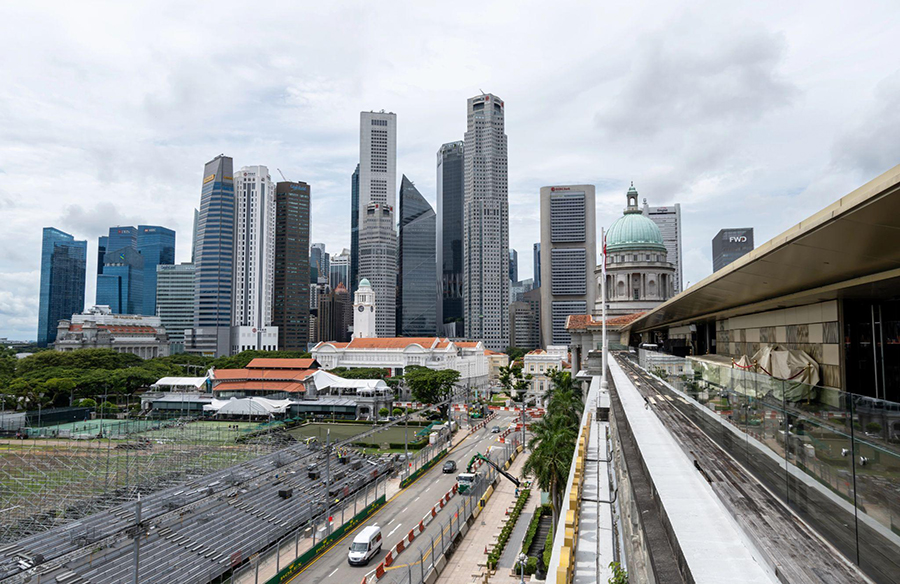
Singapore is a city that doesn’t just plan around heritage—it plans with it. In a place where new towers seem to rise by the week, the past still finds space in the skyline, on street corners, and in the stories locals share.
The city has turned cultural continuity into a design brief, a policy framework, and a daily habit. For American travelers, it’s a compelling look at how a city can be both future-forward and deeply rooted.
The City That Plans for Memory
Singapore’s planning model treats heritage as an asset rather than an obstacle. Conservation isn’t limited to postcard buildings – it extends to neighborhoods, sightlines, and even the rhythms of street life.
The Urban Redevelopment Authority protects whole clusters of shophouses so the neighborhoods they anchor keep their scale and character. In practice, that means old and new can grow together, with distinct identities that feel authentic rather than staged.
Heritage Districts That Evolve, Not Freeze
In Chinatown, Little India, and Kampong Glam, you’ll see rows of restored shophouses filled with tailors, perfumers, and family-run eateries alongside design studios and quiet cafés. The districts adapt as entrepreneurs and residents find new uses for old spaces.
Cultural life isn’t treated like a diorama – it’s a living mix of commerce, tradition, and experimentation. You can taste the continuity in a spice blend, hear it in the evening atmosphere around local mosques and community spaces, and see it in a craftsperson’s daily routine.
These districts also support micro-communities within the bigger national story. Regular events, temple festivals, and neighborhood tours turn streets into classrooms.
Visitors encounter living practices rather than curated costume changes. It’s an honest, sometimes messy coexistence—exactly what keeps it vital.
Hawker Culture as Everyday Heritage
Singapore’s hawker centers are the city’s true cultural commons. Recognized by UNESCO, these open-air food courts preserve culinary traditions while making them accessible to everyone.
Recipes travel through generations, while new vendors stretch the repertoire with modern takes on classics. It’s affordable, social, and suitably no-frills—where bankers, aunties, students, and night-shift workers share tables and trade recommendations.
The city’s policies reflect how seriously it takes this space. New hawker centers are being built in growing neighborhoods, while mentorship schemes pair veteran stallholders with newcomers.
The result is a culture that honors the past without ossifying it.
Order a plate of char kway teow next to a cold-pressed sugarcane juice and you’ll taste continuity meeting invention.
Housing the Future, Rooted in Place
Public housing in Singapore isn’t just practical—it’s a blueprint for belonging. HDB towns are designed with clinics, markets, schools, and parks woven into walking networks.
Void decks under housing blocks allow for weddings, wakes, community chess games, and neighborhood festivals. Policies that encourage a social mix of backgrounds mirror the country’s multicultural values in everyday life.
What feels modern here is the understanding that community spaces are as important as living spaces. Place names, murals, and community gardens give each precinct a sense of identity.
That local pride is a quiet engine of cultural continuity.
Festivals, Rituals, and a Year-Round Cultural Calendar
The city’s calendar hums with Chinese New Year lion dances, Deepavali light-ups in Little India, and Hari Raya bazaars in Geylang Serai. Seasonal art festivals and neighborhood open houses turn civic spaces into celebratory stages.
Night markets flicker alive with lanterns, snacks, and old-school games that have charmed generations. What stands out is how public and participatory these rituals are.
For travelers, the best moments happen between the spectacles. Peek into a temple courtyard at dusk, watch a family carry a tray of sweets to a neighbor, or follow the drumming that leads you to a pop-up performance.
You’re witnessing traditions that have been rehearsed for decades—and shaped by the present year’s concerns.
National Gallery Singapore: A Living Room for Southeast Asian Art
Housed in the former Supreme Court and City Hall buildings, National Gallery Singapore physically bridges past and present with glass canopies, light-filled courtyards, and restored historical courtrooms.
At the National Gallery Singapore, the museum brings the region’s art history and contemporary voices into conversation.
You’ll move from 19th-century landscapes to installations exploring identity and migration, all threaded together by thoughtful curation. Families, students, and art lovers share the same halls, making the experience social and welcoming.
Architecture buffs will appreciate how old stone meets new steel with restraint and clarity. The building is a case study in adaptive reuse, where elegant interventions reveal original material without overpowering it.
Rotundas glow with natural light while staircases invite lingering views. Exhibitions, talks, and community programs keep the galleries in constant dialogue with the city outside.
Contemporary Design That Respects Older Fabric
Across the city, new buildings often nod to their surroundings. Developers retain historic facades while allowing clean-lined structures to rise behind them.
Adaptive reuse turns industrial warehouses into boutique hotels and art spaces, keeping original bones and textures intact. The effect is not nostalgia, but continuity—spaces carry their history forward as they meet new needs.
This approach helps the city avoid a one-note skyline. A glass tower might reflect the rhythmic shutters of a neighboring shophouse, while canopies shade walkways in a way that recalls verandah life.
You can feel the designers asking: How do we belong here?
Green Spaces as Cultural Connectors
Parks and path networks aren’t only ecological wins – they also stitch neighborhoods together.
The Rail Corridor follows an old train line, now a leafy route where joggers and heritage buffs pass restored bridges and signage.
Park Connectors make it possible to cycle from a housing town to a waterfront promenade without battling traffic. These routes reveal the city’s layers at human speed.
Gardens by the Bay may look futuristic, yet its community gardens, heritage trees, and educational trails ground it in local knowledge. For families and walkers, green spaces become places to remember, revisit, and share stories—turning landscapes into cultural memory banks.
Public Art and Everyday Encounters
Public art threads through plazas, tunnels, and housing estates, inviting unplanned encounters. Murals bloom on back alleys in Kampong Glam – sculptures punctuate financial-district walkways.
During Singapore Art Week, pop-up installations turn entire neighborhoods into open-air galleries. You don’t need a ticket to stumble upon a piece that sparks conversation.
The casualness matters. When art is part of the commute or the school run, it becomes a habit rather than a special occasion.
That habit, multiplied across millions of moments, is its own form of continuity.
Language, Food, and the Multilingual Street
English signage keeps the city legible for visitors, but you’ll also hear Mandarin, Malay, Tamil, and creole rhythms of Singlish in cafés and on trains. Menus are love letters to hybridity—think kaya toast next to nasi lemak and laksa.
Kopitiam culture teaches its own vocabulary, from kopi-o to teh si. Language here is living heritage, constantly borrowed, adapted, and remixed.
That linguistic elasticity mirrors the food scene’s improvisation. A new stall might elevate a humble noodle with premium prawns, while an old favorite resists tweaks with confidence.
Both approaches have space to thrive.
How Travelers Can Engage—Respectfully and Deeply
Start by walking: let neighborhoods explain themselves. Eat at hawker centers, return to a stall you loved, and ask the chef about a family recipe if they’re not in a rush.
Join a heritage trail or a community-led tour to hear stories that don’t make guidebook headlines. Step into temples and mosques with modest dress and quiet attention – a small act of respect goes a long way.
Choose stays that support adaptive reuse or locally owned ventures. Leave room in your schedule to revisit a place that resonated—continuity is easier to feel on a second look.
You’ll take home a more nuanced impression of the city.
The Balancing Act Ahead
Like any global city, Singapore wrestles with rising costs, gentrification, and the risk of packaging culture for easy consumption. The challenge is to keep spaces inclusive for residents while still welcoming visitors.
Climate adaptation adds another layer: safeguarding historic structures and street life in hotter, wetter years will take ingenuity. Youth engagement is vital, too—traditions survive when they feel open to fresh voices.
Yet the city’s track record suggests optimism. Planning tools are sophisticated, community partnerships are growing, and culture is treated as essential infrastructure.
If the guiding question remains “How do we carry this forward? ,” Singapore’s distinct blend of past and future will keep its footing.
Continuity as a Civic Habit
In the end, Singapore’s approach feels less like a single policy and more like a habit reinforced everywhere you look. Buildings remember, markets remember, families remember—and the city gives them room to do so without standing still.
That’s what makes a quick visit linger in the mind: the sense that what you enjoyed today will still be there tomorrow, evolving at its own pace. Modernity, here, is not a break — it’s a bridge.