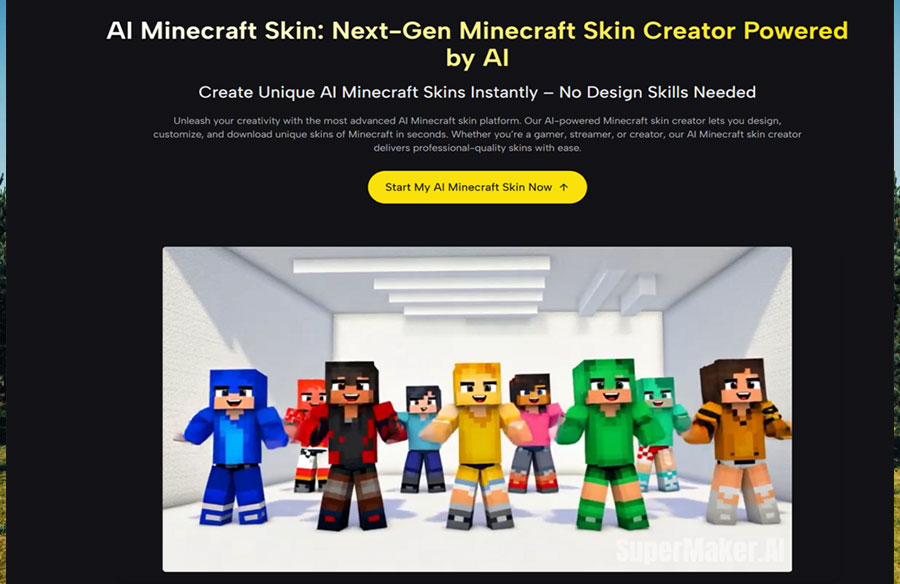
Most product discussions highlight strengths. This one starts from limits. When I examined Image to Minecraft Skin, what stood out was not what it promises, but what it deliberately does not try to solve.
Those omissions reveal a clearer picture of where image-based skin creation truly fits.
Every Creation Tool Has A Boundary
Limitations are not flaws by default.
Why Overpowering Tools Often Fail Creators
Tools that attempt to do everything tend to overload users.
Complexity As A Barrier To Entry
In traditional editors, advanced features often remain unused because they intimidate newcomers. Simplicity, in contrast, invites use even if it restricts precision.
The Intentional Constraints Of Image-Based Generation
AI Video Generator Agent limits certain freedoms on purpose.
Reduced Pixel-Level Authority
You cannot micromanage every square.
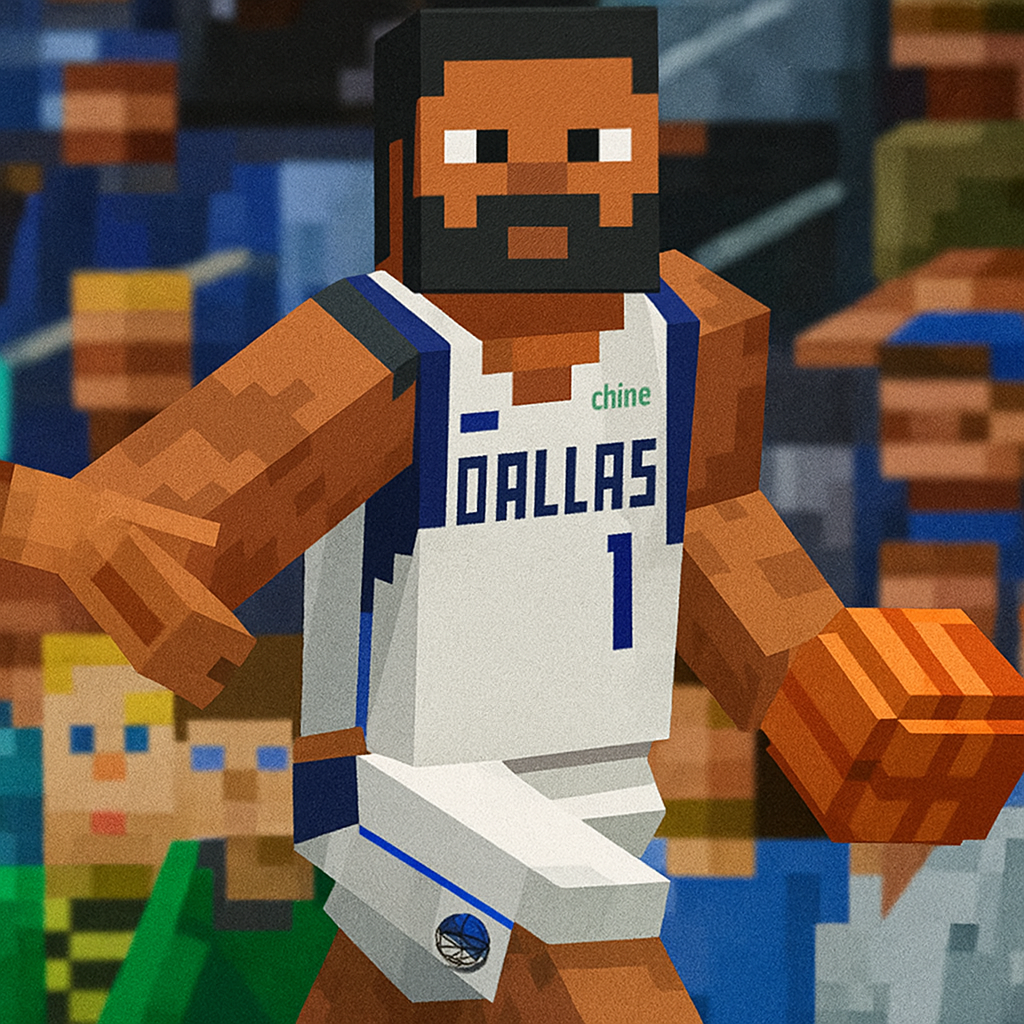 Why This Is Sometimes An Advantage
In my tests, removing micro-control reduced decision fatigue. The system handles consistency while the user focuses on direction.
Dependence On Input Quality
Results vary based on how well the idea is expressed.
Clarity Becomes A Skill
Instead of learning pixel shading, users learn to communicate visually or descriptively. This is a different, but still real, creative skill.
The Official Workflow Reflects These Limits
The process stays short.
Step One: Submit A Clear Idea, Not A Finished Design
You provide intent, not instructions.
Accepting Interpretation As Part Of Creation
The system interprets rather than executes literally, which requires a tolerance for variation.
Step Two: Evaluate The Interpretation Holistically
You assess whether the idea survived translation.
Judgment Over Correction
Instead of fixing details, you decide whether to regenerate or proceed.
Step Three: Use The Result As Intended
The skin is ready without further modification.
Limits Define The Use Case
This works best when the goal is expression, not technical showcase.
Comparing Limit-Driven Design Choices
| Constraint | Effect On Users | Practical Outcome |
| Limited controls | Lower learning curve | Faster adoption |
| Interpretive output | Less precision | More variation |
| Fixed format | No export tuning | Immediate usability |
These constraints shape expectations.
Who Should Not Use This Approach
Not every creator benefits.
Highly Technical Pixel Artists
Those who enjoy pixel mastery may feel constrained.
When Manual Control Is The Point
If the process itself is the art, automation removes meaning rather than effort.
Who Gains The Most From These Limits
The same limits empower others.
Idea-Driven Creators
Players focused on character concepts rather than technique benefit most.
Speed As A Secondary Benefit
In my observation, speed matters less than reduced friction.
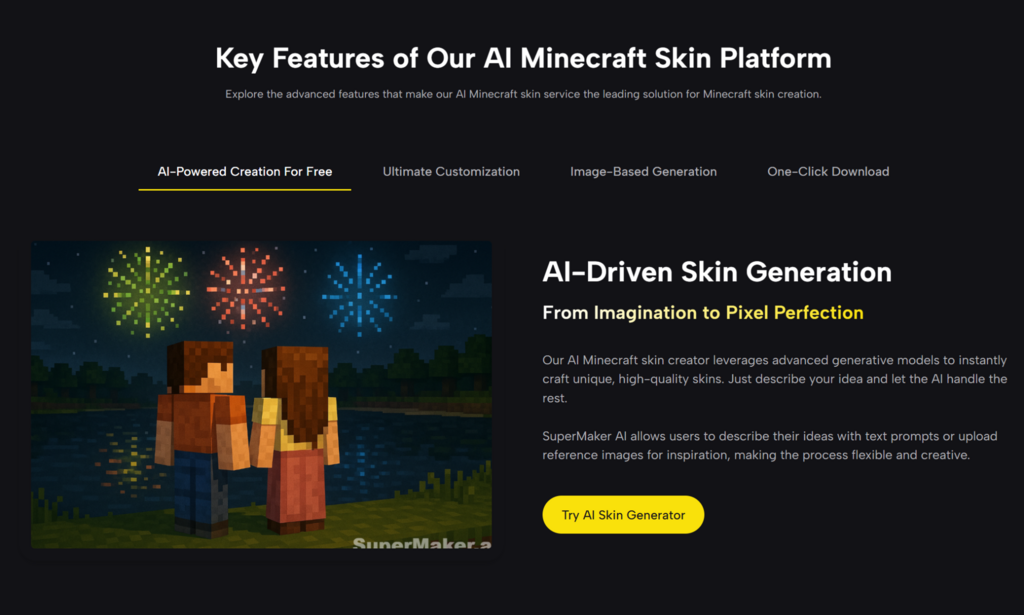 Understanding Limits As Design Choices
By starting from what the tool cannot do, its purpose becomes clearer. Image-based skin creation is not about perfect control or artistic dominance. It is about lowering friction between imagination and play, even if that means accepting boundaries. In that sense, its limitations are not weaknesses, but signals of intent.