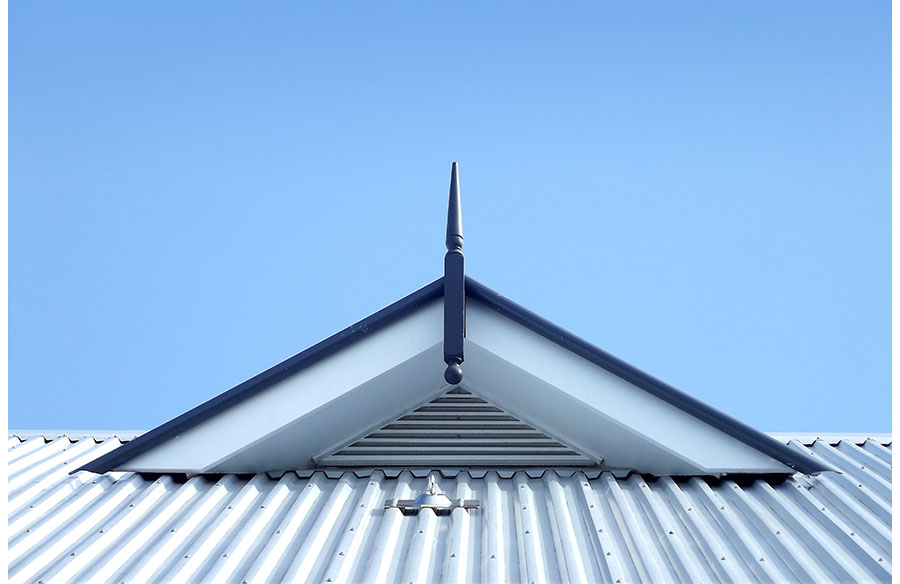
A metal roof can be a great investment for your home or business, offering durability, energy efficiency, and a sleek look.
However, just like any roofing system, regular inspections are crucial to ensure its longevity.
That’s where a metal roof inspection checklist comes in handy.
Whether you’re a homeowner or a roofing professional, having a checklist will help you identify any potential issues before they become costly problems.
Let’s dive into what to look for during your next metal roof inspection.
Why is a Metal Roof Inspection Important?
Regular inspections of your metal roof will help spot issues like rust, corrosion, loose panels, and damaged fasteners before they cause major damage.
Metal roofs can last for decades, but regular maintenance and care are key to maximizing their lifespan.
By catching small problems early, you’ll save money on repairs and avoid the headache of an unexpected roof replacement.
Metal Roof Inspection Checklist: What to Look For
A comprehensive metal roof inspection checklist covers various parts of the roof, from the exterior to the structural components.
Here’s what you should check during an inspection, according to Metal Roofing in East Texas
1. General Roof Information
Start by documenting key information about the roof:
- Date of inspection
- Inspector name
- Property address
- Roof material type
This helps you keep track of inspection history and organize your findings.
2. Exterior Surface Inspection
The roof’s surface is the first thing to examine. Pay attention to these key areas:
- Roof Panels: Look for visible damage like dents, scratches, or deformation. Panels should be aligned properly and free of rust or corrosion. The paint or coating should not be chipping or peeling. Fasteners should be secure and not overly tight or missing altogether.
- Flashing: Check that the flashing around roof penetrations, such as chimneys or vents, is installed correctly with no gaps. It should be free from rust or other damage, ensuring no water can seep through.
3. Roof Structure and Support System
Next, assess the structural integrity of the roof:
- Roof Deck: Inspect the deck for any signs of rot, warping, or weakening. There should be no visible sagging or structural issues.
- Trusses and Rafters: Check for cracks, splits, or warping. The trusses and rafters should be solid and free from damage.
- Underlayment: The underlayment should be intact with no tears or gaps. It must be installed properly, covering all areas without exposure to the elements.
- Ventilation System: Make sure the ventilation system is functioning properly. Check for any obstructions in the vents, as good airflow is essential to prevent moisture buildup.
4. Roof Components and Accessories
Don’t forget to inspect other components and accessories that support the overall roofing system:
- Gutters and Downspouts: Ensure they are securely attached, free of debris, and properly directed to prevent water from pooling around the foundation.
- Roof Edge and Fascia: The edges should be intact, with no rust or damage. Fascia boards should not show signs of rot or mold.
- Roof Penetrations: Check seals around skylights, chimneys, and vents. Ensure they are secure and there are no visible signs of leaks or damage.
5. Roof Drainage and Water Management
Proper drainage is essential to prevent water damage. Here’s what to check:
- Pooling Water: Ensure there is no standing water on the roof, especially in valleys or low spots.
- Roof Slope: The roof should have a slope that directs water toward the gutters and downspouts, avoiding any stagnant water on the surface.
- Valleys and Low Areas: Inspect valleys for debris that could block drainage. Water should flow freely and not get trapped.
6. Signs of Wear or Future Problems
Over time, metal roofs can develop signs of wear:
- Dents or Scratches: Look for any surface damage that could lead to rust or corrosion.
- Expansion and Contraction: Check for buckling or warping of the panels, which could indicate improper expansion or contraction.
- Fasteners: Make sure all fasteners are secure. Loose or popped fasteners can lead to leaks.
7. Safety Concerns
Safety should always be a priority during roof inspections:
- Loose Panels: Ensure that all panels are properly secured. Loose panels can pose safety risks, especially during high winds.
- Sharp Edges: Be cautious of sharp edges, especially at the seams or around penetrations.
- Fall Protection: If needed, ensure that there are safety features in place, such as guardrails or fall protection systems, to protect workers during inspections.
8. Maintenance Recommendations
After your inspection, it’s important to note any areas that need attention:
- Immediate Repairs: If there are any urgent issues, like missing fasteners or rust, list them for immediate repair.
- Timeline for Next Inspection: Based on the condition of the roof, suggest when the next inspection should occur.
- Routine Maintenance: Recommend tasks like cleaning gutters, resealing panels, or applying protective coatings to prevent future issues.
Final Thoughts: Keeping Your Metal Roof in Top Shape
By following this metal roof inspection checklist, you can ensure that your roof stays in great shape for years to come.
Regular inspections and maintenance are essential to preserving the durability of your metal roof and preventing expensive repairs down the road.
If you’re ever unsure about the condition of your roof, it’s always a good idea to consult with a professional roofer.
With a little effort, you can keep your metal roof in excellent condition and enjoy its many benefits for a long time!