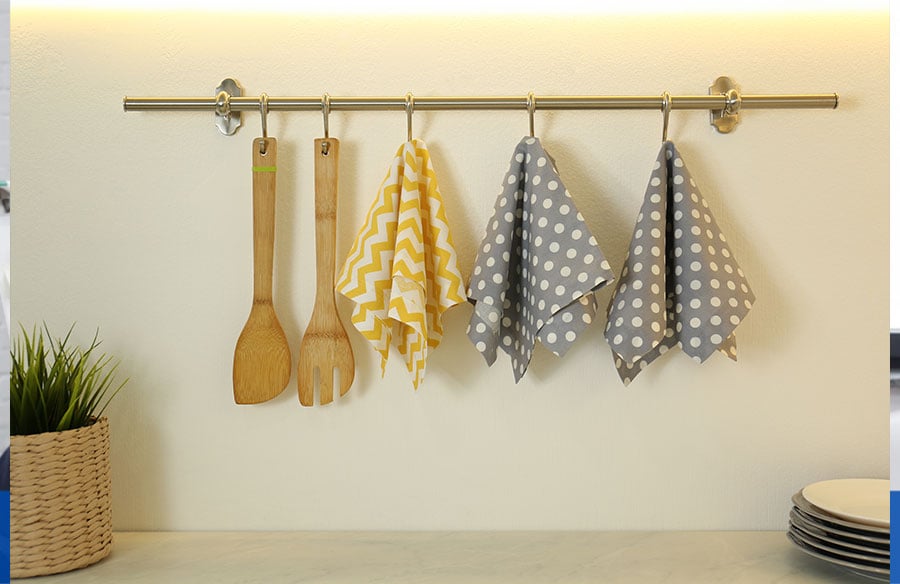
A well-organized kitchen makes cooking easier, faster, and more enjoyable. Small accessories often make the biggest difference, and one of the most practical examples is the kitchen towel hanger. While it may seem like a minor detail, having a designated place to keep towels improves cleanliness, reduces clutter, and keeps essential items within reach. Whether you cook frequently or simply want a more efficient kitchen layout, the right towel storage solution can quietly improve your daily routine.
Why Proper Towel Storage Matters in the Kitchen
Kitchen towels are used constantly throughout the day. They help dry dishes, wipe countertops, handle hot cookware, and clean up spills. Without a proper place to hang them, towels often end up draped over appliance handles, stuffed in drawers, or left on countertops where they can collect bacteria.
Good towel storage solves several problems at once. First, it allows towels to dry properly, which helps prevent odors and bacteria growth. Second, it keeps surfaces clear, creating a cleaner and more visually organized space. Finally, it ensures that towels are always easy to grab when you need them most.
In modern kitchen design, functionality is just as important as aesthetics. Simple accessories like wall-mounted hooks, cabinet bars, or magnetic holders contribute to both practicality and style.
Types of Kitchen Towel Hangers
Not all towel holders are the same. Different kitchens benefit from different mounting styles and designs. Choosing the right option depends on your available space, layout, and personal preference.
- Wall-Mounted Bars
Wall-mounted towel bars are one of the most common solutions. They provide a stable place for one or more towels and are typically installed near the sink or food preparation area. These bars are available in a wide range of materials such as stainless steel, aluminum, and matte-finished metals that complement modern kitchens.
Wall bars are ideal for homeowners who want a permanent solution that blends seamlessly into their kitchen design.
- Over-the-Cabinet Hangers
For renters or people who prefer not to drill holes in the wall, over-the-cabinet hangers are a convenient alternative. These hangers simply slide over cabinet doors and instantly create a place to hang towels.
Because they are easy to install and remove, they are a popular option for apartments, temporary setups, or anyone who frequently rearranges their kitchen layout.
- Adhesive Hooks
Adhesive hooks are another flexible option. These hooks stick directly onto tiles, cabinets, or walls without requiring screws or hardware. High-quality adhesive hooks can hold a surprising amount of weight and work well for lightweight dish towels.
This type of hanger works best in smaller kitchens where wall space is limited and every inch counts.
- Magnetic Holders
Magnetic towel holders attach to metal surfaces such as refrigerators or certain kitchen appliances. They are easy to reposition and require no installation tools. This makes them particularly useful for compact kitchens or minimalist setups where simplicity is the goal.
- Multi-Purpose Rack Systems
Some modern kitchen racks combine towel holders with additional storage features. These systems may include shelves, hooks for utensils, or slots for cutting boards. They are especially useful in kitchens where maximizing vertical space is important.
Choosing the Right Material
The material of your towel hanger affects durability, maintenance, and overall appearance. Stainless steel is one of the most popular choices because it resists rust and blends well with most kitchen appliances. It also provides a clean, professional look that works in both modern and traditional kitchens.
Wooden holders offer a warmer, more natural aesthetic. They work particularly well in farmhouse-style kitchens or spaces with natural textures. However, wood requires slightly more care since moisture exposure can affect it over time.
Plastic hangers are lightweight and affordable, making them common in rental spaces or temporary kitchens. While they may not last as long as metal alternatives, they can still provide reliable functionality for everyday use.
Placement Tips for Maximum Convenience
Where you place your towel holder can significantly impact its usefulness. The most common location is near the sink since this is where towels are needed most often for drying hands and dishes.
Another practical location is near the cooking area. Keeping a towel within reach while preparing food can make it easier to wipe spills or handle cookware safely.
If your kitchen has an island, adding a hanger to the side of the island cabinet can provide easy access from multiple directions. This is especially helpful in busy kitchens where multiple people may be cooking at once.
It is also important to ensure towels can hang freely with enough airflow to dry properly. Avoid placing hangers in cramped spaces where fabric remains damp for long periods.
Design and Aesthetic Considerations
Beyond practicality, towel holders can also contribute to the overall style of your kitchen. Many modern designs emphasize clean lines, matte finishes, and minimalist shapes that blend seamlessly into contemporary spaces.
For traditional kitchens, decorative hooks or vintage-inspired holders can add subtle character without overwhelming the room. Brass or brushed bronze finishes are particularly popular for creating a classic feel.
Color coordination can also make a difference. Matching metal finishes with cabinet handles, faucets, or appliances creates a more cohesive visual design throughout the kitchen.
Maintenance and Hygiene
Kitchen towels naturally accumulate moisture and food particles, so regular cleaning is essential. Ideally, towels should be washed frequently, especially if they are used for wiping surfaces or handling food-related tasks.
Having multiple towels available allows you to rotate them throughout the day. A good hanging system makes this easier by keeping used towels separate and allowing them to dry properly between uses.
Cleaning the hanger itself is also important. A quick wipe with a damp cloth or mild cleaning solution helps remove grease and dust that can accumulate over time.
Small Upgrade, Big Impact
Many homeowners focus on large renovations such as new cabinets or appliances when improving their kitchens. However, small organizational upgrades can deliver immediate benefits without significant cost or effort.
A well-placed towel holder improves workflow, supports better hygiene, and keeps everyday items neatly arranged. It is a small change that quietly enhances both the functionality and comfort of your kitchen space.
As kitchens continue to evolve into multi-functional areas for cooking, dining, and gathering, thoughtful organization becomes even more valuable. Accessories that combine practicality with simple design help maintain order without adding unnecessary complexity.
In the end, efficient kitchens are built on details. Even something as simple as a thoughtfully chosen towel hanger can contribute to a cleaner, more organized environment that supports the rhythm of daily life.