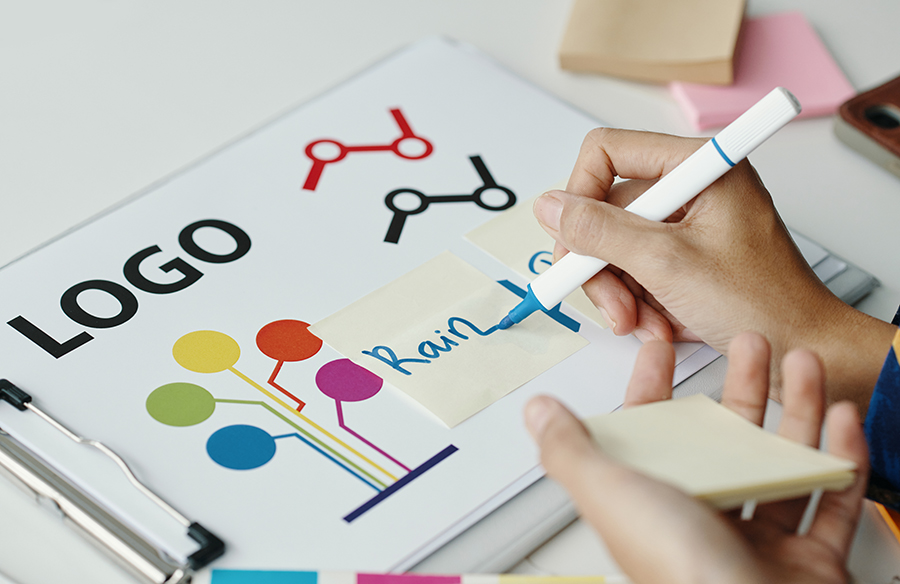
A brand is more than just a name or a product — it’s the impression you leave on your audience. At the center of that impression is your logo. It’s often the first thing people notice and the element they remember most. A well-designed logo doesn’t just look good; it communicates your brand’s identity, values, and personality at a glance.
Building a strong brand identity starts with understanding how your visual elements — especially your logo — work together to tell a cohesive story.
Why a Logo Matters More Than You Think
Your logo acts as the face of your brand. It appears everywhere: on your website, social media, packaging, and marketing materials. Because of this, it needs to be instantly recognizable and consistent across different platforms.
A strong logo helps build trust. When customers see a professional and well-thought-out design, they are more likely to perceive the brand as credible and reliable. On the other hand, a poorly designed logo can create confusion or make a business seem less established.
Your logo sets the tone for everything that follows.
Start With Your Brand’s Core Identity
Before designing a logo, it’s essential to define your brand’s identity. Ask yourself:
- What values does your brand represent?
- Who is your target audience?
- What emotions do you want people to associate with your brand?
A logo should reflect these answers visually. For example, a tech company might aim for a sleek, modern design, while a lifestyle brand may choose something more expressive and warm.
Clarity at this stage ensures that your logo aligns with your overall message.
Keep It Simple and Memorable
One of the most important principles of logo design is simplicity. The most iconic logos are often the simplest — easy to recognize, easy to reproduce, and easy to remember.
Complex designs can be visually appealing, but they often lose impact when scaled down or viewed quickly. A clean, focused design ensures that your logo remains effective across all formats.
Simplicity also improves versatility, making it easier to use your logo in different contexts.
Choose the Right Colors and Typography
Color plays a powerful role in branding. Different colors evoke different emotions and associations. For example:
- Blue often conveys trust and professionalism
- Red can evoke energy and urgency
- Green is associated with growth and balance
Typography is equally important. The font you choose should match your brand’s tone — whether that’s modern, classic, playful, or bold.
Consistency between colors, fonts, and overall design helps create a cohesive identity that feels intentional and polished.
Design for Versatility
A strong logo should work across multiple platforms and formats. It should look just as good on a business card as it does on a website or a billboard.
This means considering:
- Scalability (how it looks at different sizes)
- Readability (how clear it is at a glance)
- Adaptability (how it works in color and black-and-white)
Many designers look at examples like the capcut logo png when thinking about clean, adaptable design elements that maintain clarity across different uses, highlighting how simplicity and structure contribute to strong brand recognition.
Make It Distinctive
In a crowded market, standing out is essential. Your logo should be unique enough to differentiate your brand from competitors.
Avoid following trends too closely, as they can quickly become outdated. Instead, focus on creating something timeless that reflects your brand’s identity rather than current design fads.
Distinctiveness helps customers remember your brand and recognize it instantly.
Align Your Logo With Your Brand Voice
Your logo doesn’t exist in isolation — it’s part of a larger brand system. It should align with your messaging, tone of voice, and overall visual style.
For example, if your brand voice is professional and authoritative, your logo should reflect that through clean lines and structured design. If your brand is playful and creative, the logo can incorporate more expressive elements.
Consistency across all touchpoints strengthens your brand identity and builds familiarity.
Test and Refine
Before finalizing your logo, test it in real-world scenarios. Place it on different backgrounds, use it across platforms, and gather feedback from others.
Small adjustments can make a big difference. Refining details like spacing, color balance, or typography can elevate the overall design.
A strong logo is rarely created in one step — it evolves through iteration.
Think Long-Term
Your logo should be designed with the future in mind. While your brand may grow and change, your core identity should remain recognizable.
A timeless design reduces the need for frequent rebranding and helps build long-term recognition. When customers consistently see the same visual identity, it reinforces trust and familiarity.
Building a strong brand identity starts with a logo that reflects who you are and what you stand for. It’s not just about aesthetics — it’s about communication, consistency, and connection.
When your logo aligns with your brand’s values and resonates with your audience, it becomes more than just a visual element. It becomes a symbol of everything your brand represents — and a key part of how people remember and trust your business.