
Buying land or property is often seen as a straightforward process. You find a place you like, agree on a price, and move forward. But in reality, real estate decisions are rarely that simple.
Most costly mistakes don’t happen because buyers lack intelligence or access to information. They happen because people underestimate how many variables are involved and how easy it is to overlook the ones that matter most.
Whether you are buying your first property or adding to your portfolio, avoiding mistakes is less about finding the “perfect deal” and more about understanding how to evaluate risk properly.
1. Confusing Price with Value
One of the most common mistakes buyers make is assuming that a lower price automatically means a better deal.
It’s an easy trap to fall into. A property that costs significantly less than comparable options feels like an opportunity. But in many cases, the price reflects underlying issues rather than hidden value.
For example:
- limited access
- zoning restrictions
- lack of utilities
- poor location dynamics
What appears to be a bargain can quickly turn into a financial burden.
Experienced buyers think differently. Instead of focusing only on purchase price, they evaluate the total cost of ownership and usability.
2. Relying Too Much on Listings and Surface Information
Online listings have made property search easier, but they’ve also created a false sense of understanding.
Photos are curated. Descriptions are optimized. And important details are often omitted.
What you see in a listing is rarely the full picture.
This is why deeper analysis is essential. One of the simplest ways to improve your evaluation process is by using a satellite map that shows property lines free.
This allows you to:
- verify boundaries
- understand surrounding land use
- spot nearby developments
- identify potential issues not visible in photos
Buyers who rely only on listings are making decisions based on incomplete data.
3. Ignoring Access and Practical Usability
A property can look perfect and still be difficult to use.
Access is one of the most overlooked factors, especially when buying land.
You need to confirm:
- legal access (easements, road frontage)
- physical access (actual usability)
A plot that appears accessible on a map may not be legally reachable. In some cases, access depends on neighboring properties, which creates long-term risk.
Even with houses, access matters more than people think especially for future resale value.
4. Underestimating Infrastructure and Hidden Costs
Many buyers focus on the purchase price and assume everything else will be manageable.
This is where costs start to escalate.
Depending on the property, additional expenses may include:
- connecting utilities
- upgrading systems
- repairs and maintenance
- permits and compliance
For land, this is even more critical.
Electricity, water, sewage, and internet access are not always available and installing them can be expensive.
What initially looks like a low-cost investment can quickly exceed expectations.
5. Not Verifying Zoning and Legal Restrictions
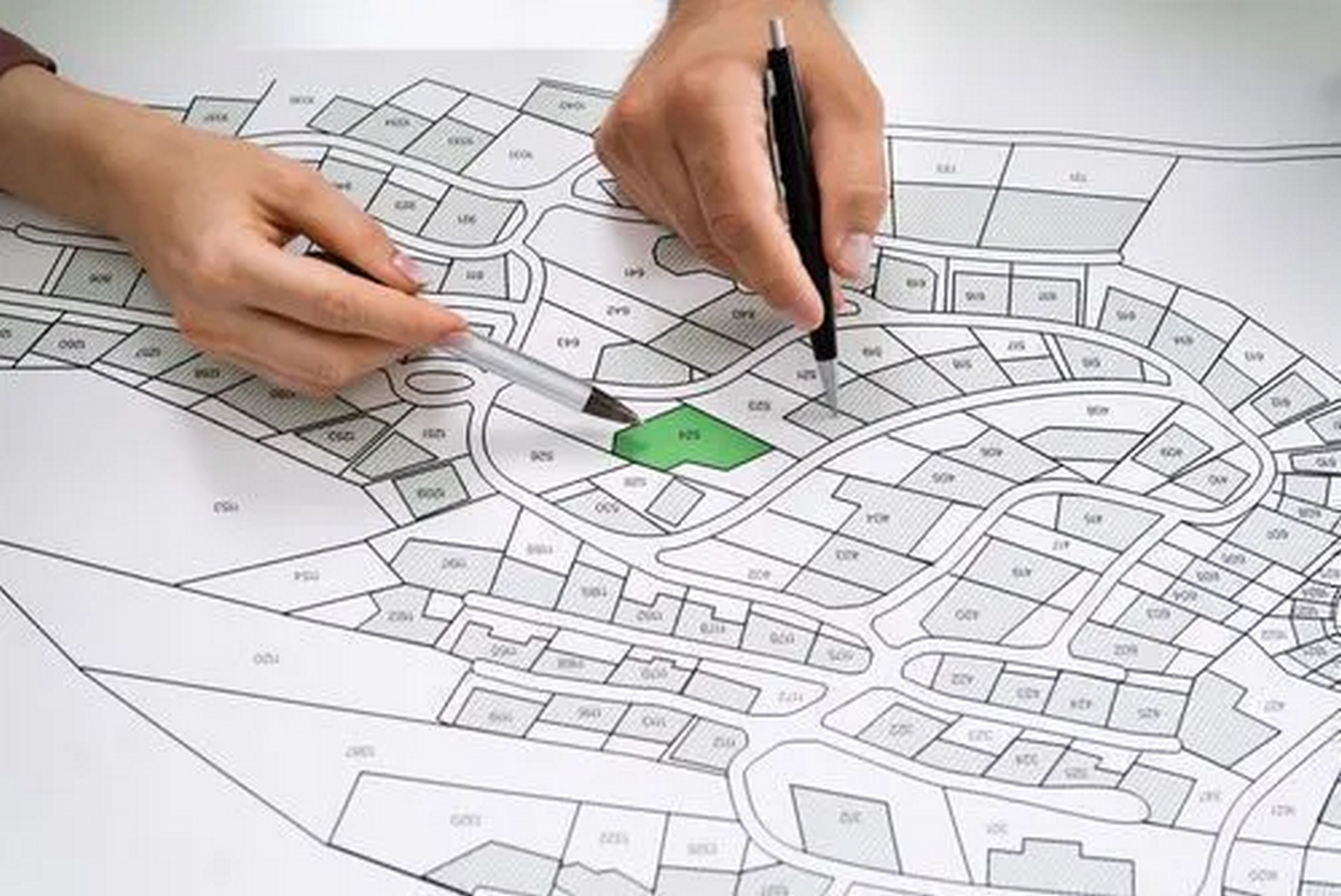 Another major mistake is assuming that ownership equals freedom.
In reality, zoning laws and regulations determine:
- what you can build
- how the property can be used
- future development potential
Ignoring this step can lead to serious limitations.
For example:
- you may not be allowed to build the structure you planned
- future expansion could be restricted
- the land may have environmental or legal constraints
This is one of the easiest mistakes to avoid but only if you check early.
6. Making Decisions Based on Emotion
Real estate decisions are inherently emotional.
Buyers often:
- fall in love with a property
- rush due to competition
- ignore red flags
This leads to overpaying or overlooking issues.
The best buyers separate emotion from evaluation.
They ask:
- Does this property meet my criteria?
- Does it make sense financially?
- What are the risks?
Emotion should guide interest not the final decision.
7. Skipping Proper Due Diligence
Due diligence is not just a formality. It is the process that protects you from mistakes.
This includes:
- legal checks
- property inspections
- boundary verification
- financial analysis
Skipping or rushing this step is one of the fastest ways to make a costly error.
Even experienced buyers follow structured due diligence processes because no property is risk-free.
8. Ignoring Long-Term Perspective
A property purchase is rarely just about today.
You need to consider:
- future market trends
- development potential
- resale value
A location that feels attractive now may not perform well long term.
At the same time, some areas that seem average today may have strong growth potential.
Thinking long-term helps you avoid short-sighted decisions.
9. Overextending Financially
Another common mistake is buying at the limit of affordability.
Banks may approve a certain amount, but that does not mean it is comfortable.
Unexpected costs are inevitable:
- repairs
- taxes
- changes in financial situation
Leaving room in your budget reduces risk and stress.
10. Assuming Problems Can Be Solved Later
Many buyers move forward with the mindset:
“We’ll deal with it later.”
This applies to:
- access issues
- zoning questions
- infrastructure concerns
Sometimes it works.
But often, these problems become more expensive and harder to fix over time.
It is always better to resolve uncertainties before buying.
Final Thoughts
Avoiding costly mistakes when buying land or property is not about being perfect.
It is about being informed.
Most errors come from:
- incomplete information
- emotional decisions
- lack of structured evaluation
By taking a more disciplined approach and using tools that give you better visibility into properties you can significantly reduce risk.
Because in real estate, the difference between a good investment and a bad one is rarely luck.
It’s the quality of the decisions you make before you buy.