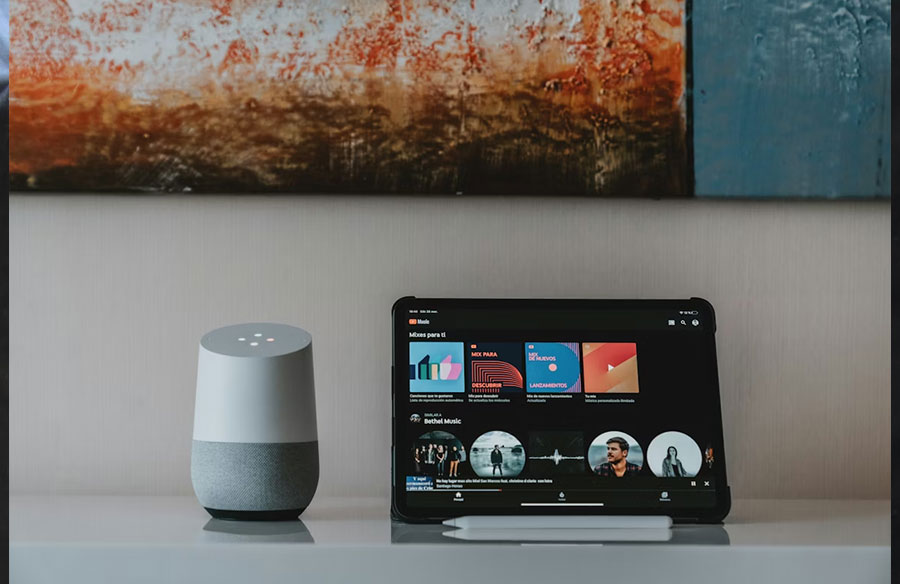
Modern homeowners are becoming more aware of how technology can improve both convenience and protection inside residential spaces. As smart buildings continue to evolve, security systems are no longer treated as optional upgrades but as essential parts of modern home design. Many property owners now rely on resources such as a guide to Honeywell alarm system codes to better understand how smart alarm panels, security alerts, and access systems work within connected homes. This growing interest reflects a larger shift toward intelligent living environments where security technology plays a central role in daily life.
The Shift From Traditional Security to Smart Protection
Traditional home security systems were often limited to loud alarms and simple keypad controls. While these systems provided basic protection, they lacked the flexibility and connectivity that modern homeowners expect today. Smart buildings have introduced a more integrated approach where surveillance cameras, motion sensors, alarms, and mobile applications work together in real time.
This shift has changed the way people think about safety within residential spaces. Homeowners no longer want systems that only react after a problem occurs. Instead, they are investing in proactive technologies that send instant alerts, allow remote monitoring, and provide complete visibility over their properties from anywhere in the world.
The rise of smart infrastructure has also influenced architectural planning and interior design. Security systems are now integrated directly into the construction process rather than added as afterthoughts. This creates cleaner designs while ensuring that safety features function seamlessly within the overall smart home ecosystem.
As smart buildings become more common, homeowners are expecting greater customization from their security solutions. They want systems that adapt to their schedules, routines, and lifestyles. Features such as automated door locking, facial recognition, and personalized access permissions are becoming increasingly popular in residential properties.
How Connectivity Is Improving Home Security
One of the biggest advantages of smart buildings is the ability to connect multiple devices into a single centralized system. Homeowners can control alarms, cameras, lights, and locks through mobile applications or voice assistants. This level of connectivity creates a more responsive and efficient security environment.
Remote access has become particularly valuable for families and property owners who travel frequently. Instead of relying on neighbors or traditional monitoring services alone, homeowners can check live camera feeds, receive motion alerts, and arm or disarm systems directly from their smartphones. This constant access provides greater peace of mind and faster response times during emergencies.
Smart connectivity also improves communication between different security devices. For example, motion detection can automatically trigger cameras to begin recording while simultaneously activating outdoor lighting. These coordinated responses help reduce vulnerabilities and improve overall property protection.
Another major benefit is the ability to receive detailed system updates in real time. Homeowners can immediately identify unusual activity, equipment malfunctions, or unauthorized access attempts. This instant awareness allows them to respond quickly before small problems escalate into larger security risks.
The Role of Automation in Modern Residential Safety
Automation has become a defining feature of smart buildings and modern home security systems. Instead of manually controlling every device, homeowners can create automated routines that improve both convenience and safety. These routines can include locking doors at night, activating cameras when residents leave the house, or adjusting lighting schedules to simulate occupancy.
This level of automation helps create a more secure environment without requiring constant attention from homeowners. Smart systems can detect patterns and respond automatically to changing conditions. For example, some systems can identify unusual activity during certain hours and immediately notify residents or monitoring services.
Energy efficiency and security are also becoming more closely connected within smart buildings. Automated systems can manage lighting, climate control, and surveillance simultaneously, reducing unnecessary energy consumption while maintaining safety. This integration supports the growing demand for smarter and more sustainable residential design.
The ability to customize automation settings is another reason homeowners are embracing smart security technology. Families can tailor systems to fit their daily routines, ensuring that protection measures remain effective without disrupting comfort or convenience. This flexibility has made smart buildings more appealing across a wide range of residential markets.
Why Homeowners Are Prioritizing Smarter Security Solutions
Changing lifestyles and increasing digital connectivity have encouraged homeowners to rethink how they approach residential safety. People are spending more time managing work, communication, and entertainment through connected devices, making it natural for security systems to become part of the same ecosystem.
Modern homeowners also place a higher value on convenience than previous generations. They want security solutions that are easy to manage, accessible remotely, and capable of integrating with other smart technologies. Smart buildings meet these expectations by offering systems that simplify security management while improving overall property control.
Concerns about package theft, unauthorized access, and cyber vulnerabilities have also contributed to the demand for smarter protection systems. Homeowners are seeking advanced technologies that provide better monitoring capabilities and stronger access controls. Features such as encrypted communication, smart locks, and AI-powered surveillance tools are helping address these concerns more effectively.
The growing popularity of smart communities and connected residential developments is likely to accelerate these trends even further. As more homes adopt intelligent infrastructure, security technology will continue evolving into a core component of modern living rather than a standalone feature.
Smart buildings are fundamentally changing the relationship between homeowners and residential security. Instead of relying on reactive protection methods, people are embracing connected systems that offer real-time monitoring, automation, and greater control over their living spaces. As technology continues advancing, smart security solutions will play an even larger role in shaping the future of residential design, helping homeowners create safer, more efficient, and more adaptable environments.