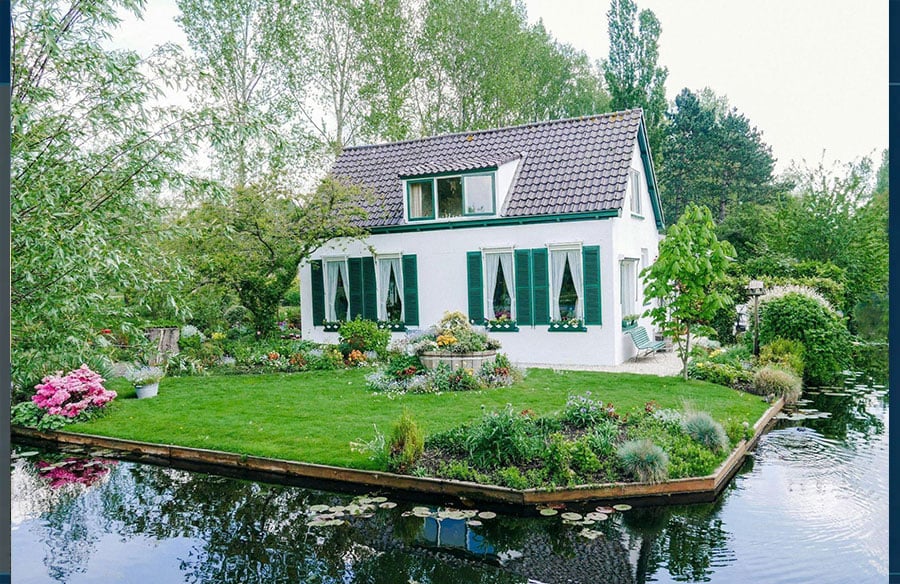
A house can be measured by square footage, number of bedrooms, and market value. A home, however, is something far more personal. It reflects the rhythms of daily life, the character of a neighborhood, and the subtle details of design that shape how people feel in a space.
For many buyers today, finding the perfect home is not simply about price or size. It is about how location, lifestyle, and design come together to create a place that supports the way they want to live.
Understanding this balance is essential for anyone searching for a home that will remain meaningful long after the keys are handed over.
Why Location Is More Than Just Geography
Location has always been one of the most important factors in real estate. But its significance extends well beyond proximity to work or schools.
A location defines the environment in which everyday life unfolds. It influences the pace of the neighborhood, access to nature, cultural experiences, and even how connected people feel to their community.
Some buyers prefer lively urban neighborhoods filled with cafes, walkable streets, and cultural venues. Others gravitate toward quieter residential areas where parks, local shops, and slower traffic create a calmer rhythm of life.
The Energy of a Neighborhood
Every neighborhood carries its own atmosphere. Tree-lined streets may feel peaceful and established, while developing areas often bring excitement and growth.
Buyers increasingly pay attention to details such as nearby green spaces, community events, and the presence of local businesses that give a neighborhood personality.
A location that aligns with personal values and daily habits often matters more than the physical house itself.
Access and Connectivity
Convenience also plays a crucial role in shaping how comfortable a home feels. Easy access to transportation, grocery stores, schools, and healthcare can significantly improve everyday living.
Even small conveniences, like nearby walking trails or neighborhood cafes, contribute to the feeling that a location truly supports one’s lifestyle.
Lifestyle Is the Heart of the Home Search
While location determines where a home sits, lifestyle determines how it is used.
People live differently today than they did even a decade ago. Remote work, hybrid schedules, and flexible routines have reshaped what many buyers want from a home.
For some, that means a quiet office space filled with natural light. For others, it might mean an open living area designed for entertaining friends and family.
-
Homes That Support Daily Habits
The most satisfying homes are those that naturally support the routines of everyday life.
A morning coffee corner beside a window, a comfortable reading nook, or a backyard space for gardening can transform an ordinary house into something deeply personal.
Buyers often discover that these small lifestyle details are what make a home truly feel right.
-
Space That Evolves Over Time
A great home also adapts as life changes. Families grow, careers evolve, and priorities shift.
Flexible layouts, multipurpose rooms, and thoughtful design allow a home to evolve with its owners. This adaptability often becomes one of the most valuable features a property can offer.
Design Shapes How a Home Feels
Design is not only about appearance. It influences mood, comfort, and how people interact with their surroundings.
Natural light, room flow, materials, and architectural details all contribute to a space’s emotional experience.
-
The Power of Natural Light
Few elements influence a home more than natural light. Sunlit rooms feel larger, warmer, and more welcoming.
Large windows, open layouts, and thoughtful orientation toward sunlight can dramatically improve a home’s atmosphere.
Buyers often respond emotionally to bright spaces because they create an immediate sense of comfort.
-
Materials and Character
Design details such as wood floors, textured walls, or unique architectural features give a home character. These elements create a sense of identity that distinguishes one property from another.
- Modern buyers increasingly appreciate homes that blend functionality with personality rather than feeling overly uniform or generic.
Where These Elements Come Together
When location, lifestyle, and design align, the result is something special. The house becomes more than a structure. It becomes a space that reflects the people who live there.
Across cities like Seattle, Denver, Austin, and Portland, many buyers search for neighborhoods that combine walkability, community character, and thoughtful architecture. In conversations about these markets, people often describe the appeal of finding the right home in Portland as part of a broader lifestyle centered around nature, creativity, and livable neighborhoods.
This intersection of environment and design is what ultimately shapes the experience of living in a home.
The Emotional Side of Home
While financial considerations are always important, the emotional connection to a home often guides the final decision.
Many homeowners describe knowing instantly when a space feels right. The layout makes sense, the light feels welcoming, and the surroundings seem to fit naturally with their way of life.
This intuitive feeling is rarely accidental. It usually comes from the subtle harmony between location, lifestyle, and design.
Creating a Place That Lasts
A perfect home is rarely about perfection. Instead, it is about alignment between the physical space and the life lived within it.
When buyers focus on how a home supports their daily routines, reflects their personal style, and connects them to their community, they often discover a property that remains meaningful for years to come.
In the end, the best homes are not just well-built structures. They are places where people feel comfortable, inspired, and truly at home.
Questions Buyers Often Ask About Finding the Right Home
-
What should I prioritize when choosing a home?
Most experts recommend focusing first on location and lifestyle compatibility. Design features can often be modified, but the surrounding environment and neighborhood character are much harder to change.
-
How important is home design when buying?
Design plays a significant role because it affects comfort and functionality. Elements like lighting, layout, and material choices can influence how enjoyable a space feels day to day.
-
Should lifestyle influence where I buy a home?
Absolutely. Buyers who choose locations that match their daily habits, interests, and work routines are far more likely to feel satisfied with their purchase over time.
-
Can a home grow with changing needs?
Yes. Homes with flexible spaces and adaptable layouts are especially valuable because they allow owners to adjust rooms and functions as life evolves.