

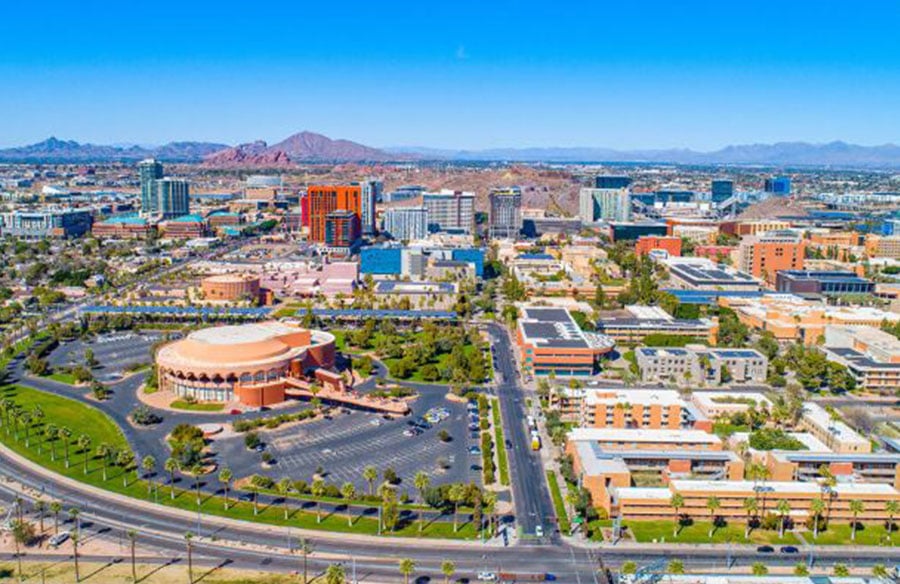
As 2024 unfolds, Mesa, Arizona emerges as a top choice for those on the move, attracting a wide range of individuals and families. Nestled in the American Southwest, it offers an exceptional mix of city life and natural beauty.
Renowned for its strong economy, cultural diversity, and stunning landscapes, Mesa is a city full of life and opportunities. Yet, like any urban area, it comes with its own set of challenges. In this detailed overview, we delve into the advantages and drawbacks of settling down in Mesa, AZ, providing a clear picture of what life is like in this vibrant city.
Pros of Mesa, AZ
Economic Opportunities and Job Market
Mesa’s economy has seen remarkable growth, with significant investments in technology, healthcare, and education sectors. This economic boom has led to a wealth of job opportunities, attracting professionals and entrepreneurs from across the country.
The city’s commitment to economic development is evident in its supportive environment for businesses and its ongoing initiatives to foster job growth.
Cultural Diversity and Community Engagement
Mesa’s diverse cultural landscape is one of its most appealing aspects. The city is a melting pot of cultures, offering residents a chance to experience and participate in a variety of cultural events, festivals, and art exhibitions.
This cultural richness not only enhances the city’s appeal but also fosters a strong sense of community and belonging among its residents.
Outdoor Recreation and Natural Beauty
For those who love the outdoors, Mesa is nothing short of a paradise. The city is surrounded by stunning natural attractions, including the Superstition Mountains and the Salt River. Residents enjoy a wide range of outdoor activities, from hiking and mountain biking to water sports and camping. This proximity to nature offers a perfect balance between urban living and outdoor adventure.
Cons of Living in Mesa, AZ
Escalating Housing Costs
While Mesa offers a range of housing options, the increasing demand has led to a rise in housing prices. This trend is a significant challenge for new residents, especially those looking to purchase homes. The cost of living, while still reasonable compared to larger cities, is something that potential residents need to factor into their decision-making.
The cost of living in Mesa, Arizona is moderate compared to other cities in the United States. The average cost of living in Mesa is $2,978.56 per month for a single person, excluding rent. This includes groceries, transportation, and other basic expenses. The average rent for a one-bedroom apartment in Mesa is $1,100 per month.
Climate and Environmental Concerns
Mesa’s desert climate presents unique challenges, including extreme heat in the summer months and water scarcity issues. These environmental factors require residents to adapt and find ways to stay comfortable and sustainable. The city’s efforts in water conservation and sustainable living are crucial in addressing these environmental challenges.
Traffic and Public Transportation
As Mesa continues to grow, traffic congestion has become a more prominent issue. The city’s public transportation system is evolving, but the current reliance on personal vehicles leads to increased traffic, especially during peak hours. This can affect daily commutes and overall quality of life for residents.
Education and Learning Opportunities
School Systems and Higher Education
Mesa is home to a range of educational institutions, offering quality education from elementary to higher levels. The city’s public schools are well-regarded, and there are various higher education options, including community colleges and universities. These educational opportunities make Mesa an attractive option for families and individuals seeking personal and professional development.
Real Estate in Mesa: Prospects and Challenges
Housing Market Dynamics
Mesa’s real estate market is vibrant and diverse, offering a variety of options for different budgets and preferences. However, the competitive nature of the market and the rising property prices can be challenging for potential buyers. The city’s growth has led to new developments and neighborhoods, providing more options for residents.
Lifestyle and Community Life
Social and Cultural Activities
Mesa, AZ, in 2024, continues to be a hub for social and cultural activities, drawing residents and visitors alike into its vibrant lifestyle. The city’s calendar is packed with various events, from music festivals and art exhibitions to local farmers’ markets and cultural parades. These events not only showcase the diverse talents and traditions of the community but also provide numerous opportunities for social interaction and entertainment.
Mesa’s dining scene is a testament to its cultural diversity, offering an array of culinary delights ranging from traditional Southwestern cuisine to international flavors. The city’s numerous restaurants, cafes, and bistros cater to all tastes, making it a haven for food enthusiasts. Additionally, the growing trend of food trucks and pop-up markets adds an exciting and dynamic aspect to Mesa’s culinary landscape.
Focus on Health and Wellness
Mesa’s commitment to health and wellness is evident in its numerous initiatives and programs. The city offers a variety of health and fitness classes, wellness workshops, and community health fairs, focusing on educating and promoting healthy lifestyles among its residents.
The city’s healthcare system is robust, with several hospitals and medical centers providing top-notch medical services. These facilities are complemented by a network of clinics and specialized health services, ensuring that residents have access to comprehensive healthcare.
Recreational Facilities and Parks
Recreational facilities and parks in Mesa are abundant, providing residents with numerous options for physical activity and relaxation. The city’s parks are well-maintained and equipped with amenities such as playgrounds, sports fields, and picnic areas, ideal for family outings and community gatherings.
Mesa also offers several recreational centers and sports complexes, catering to a wide range of interests and age groups. From swimming pools and fitness centers to basketball courts and golf courses, the city’s facilities support a healthy and active lifestyle. These public spaces play a vital role in promoting physical wellness and social interaction among the community members.
Conclusion
Living in Mesa, AZ, in 2024 presents a dynamic mix of opportunities and challenges. The city’s economic growth, cultural diversity, and access to natural beauty make it an attractive destination.
However, movers in Mesa, Arizona noticed that people consider the rising cost of living, environmental challenges, and transportation issues are important considerations before looking to move to Mesa. Overall, Mesa offers a compelling and balanced lifestyle, making it a noteworthy choice for anyone considering a new place to live in the vibrant Southwest.







