In the ever-evolving world of home decor, tile installations stand out as both a timeless and trendsetting choice. Let’s delve into the latest trends shaping the tile industry, offering a glimpse into the innovative designs and applications that are captivating homeowners and designers alike.
1. Eclectic Patterns and Bold Colours:
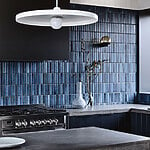
Modern tile designs are now all about mixing different styles and using bright colours, moving away from old-fashioned, single-colour looks. This new trend is great for showing off your style and making spaces more exciting. It’s perfect for adding a unique touch to a tile installation.
- Variety of Patterns: The eclectic patterns range from intricate Moroccan designs, and abstract geometrics, to whimsical floral and fauna motifs. These patterns are designed to capture attention and often serve as conversation starters.
- Bold Colour Schemes: Instead of the usual whites, beiges, and grays, we’re seeing a surge in tiles featuring rich blues, sunny yellows, deep greens, and even metallic hues. These colours are used to create striking contrasts or to complement the overall colour scheme of a room.
- Application in Spaces: These vibrant tiles are commonly used in areas like kitchens and bathrooms to create unique backsplashes or feature walls. They can also be used in smaller doses, like in niches or as decorative borders, to add splashes of colour without overwhelming the space.
2. Textured and 3D Tiles:
Textured and 3D designs represent a significant advancement in the realm of tile installation, offering visual beauty and a tactile experience that adds depth and intrigue to indoor spaces.
- Varieties of Texture: You can find tiles in many textures. Some are soft and feel like natural stone, while others have bold 3D shapes that make walls and floors stand out.
- Material Innovation: They’re often made of ceramic, porcelain, or even light concrete. This lets them have detailed patterns and last a long time. Their texture stays the same for a long time, thanks to technology.
- Design Impact: Textured and 3D designs are great for making something the centre of attention. In a simple room, a wall with a 3D design can be the main focus. In places with sunlight, they create changing shadows and light, which makes the room more interesting. They work in many places and give a modern and fancy look.
- Sensory Experience: The feel of tile adds something special to rooms. Touching them lets you feel their shapes and depth, which you don’t get with flat surfaces. This is good in places like spas or fancy bathrooms.
- Light Interaction: The way tiles play with light is amazing. The raised patterns create shadows and light that change during the day, making the room feel alive and always changing.
- Versatility in Use: These can be the main feature of a room or just a small part. For example, a design with a light texture can add depth without taking over. Using 3D patterns in certain places can show off parts of the building or make simple spots more interesting.
3. Large Format Tiles
The shift towards large format tiles, often exceeding 30 inches, represents a significant evolution in interior design and tile installation, with their popularity increasing by 20% in the last year. These larger-than-usual tiles create an expansive, continuous surface with minimal grout lines, contributing to a minimalist and modern look. This approach is especially effective in bathrooms and kitchens, enhancing both cleanliness and spatial openness. The fewer grout lines not only add to the aesthetic appeal but also simplify maintenance. Available in various finishes like matte, gloss, and textured, large format tiles offer versatility to suit diverse design preferences and are a key element in modern tile installation practices.
Key Features:
- Expansive, continuous surface.
- Minimal grout lines.
- Variety of finishes: matte, gloss, textured.
- Ideal for bathrooms and kitchens.
- Easy maintenance.
4. Sustainable and Eco-Friendly Options
Sustainable and Eco-Friendly Options:
In the tile industry, there’s been a noteworthy 30% increase in the use of recycled materials like glass and ceramic for tile installation, reflecting the growing emphasis on environmental responsibility. Eco-friendly tiles combine sustainability with style, regularly featuring unique textures and patterns that enrich design aesthetics. This trend extends beyond material selection to include more environmentally friendly manufacturing processes, significantly reducing the ecological footprint of tile production. These sustainable choices are about more than just materials; they embody a commitment to integrating a natural, earthy essence into living spaces, making them a significant consideration in contemporary tile installation.
Key Features:
- Made with recycled materials (glass, ceramic).
- Unique textures and patterns.
- Eco-friendly manufacturing processes.
- Reduced ecological footprint.
- Enhances natural, earthy aesthetics in spaces.
5. Wood-Look and Stone-Look Tiles
Emulating the timeless beauty of natural materials like wood and stone, wood-look and stone-look tiles have experienced a 25% market growth in the last two years. These tiles, primarily made from durable ceramic or porcelain, expertly replicate the intricate grain patterns and diverse colour tones of natural wood and stone. Their exceptional durability, moisture resistance, and low maintenance needs make them an ideal choice for tile installation in high-traffic areas or moisture-prone environments. This trend allows for the realization of a natural aesthetic without the high costs and intensive maintenance typically associated with real wood or stone.
Key Features:
- Imitates natural wood and stone
- Made from durable ceramic or porcelain
- Intricate grain patterns and varied colours
- Ideal for high-traffic and moist areas
- Low maintenance and cost-effective
6. Metallic and Reflective Tiles:
Recent industry reports show a big increase in interest in metallic and reflective designs, with sales going up by 20-30% in the last few years. This jump in popularity is due to a shift towards modern and luxurious elements in interior design, impacting choices in tile installation significantly. These options are known for making spaces brighter and seeming larger, which is why they’re really popular in city settings where it’s important to make the most of light and room. The market for metallic finishes is also growing fast, with gold and copper shades becoming more popular, indicating a move towards warmer, more welcoming interior colours.
Key Features:
- Brightens up spaces.
- Creates an illusion of more space.
- Popular in modern and luxurious designs.
- Rising demand for gold and copper tones.
- Suitable for urban settings.
7. Geometric Shapes and Creative Layouts:
The growing popularity of geometric designs, evidenced by a 25% rise in sales of hexagon and chevron shapes, signals a shift towards more personalized and distinctive home decor, particularly evident in tile installations. Designers and homeowners are increasingly gravitating towards unique shapes, accounting for an estimated 15-20% of the market that emphasizes custom and creative designs. This movement highlights the increasing importance of individual style expression in home design, with these geometric patterns offering a versatile and effective way to do so.
Key Features:
- Sales of non-traditional shapes (hexagons, chevrons) up by 25%.
- Part of a trend toward personalized home decor.
- Unique shapes for a distinctive look.
- 15-20% of the tile market focuses on custom designs
- Geometric tiles allow for versatile and impactful style expression.
Final Thoughts
In conclusion, the world of tile installations is witnessing an exciting era of creativity and innovation. From bold colours and textures to sustainable choices and unique shapes, these trends are redefining how tiles are used in interior design. Whether you’re renovating your home or working on a new project, embracing these trends can create spaces that are not only aesthetically pleasing but also reflective of your style and commitment to sustainability.