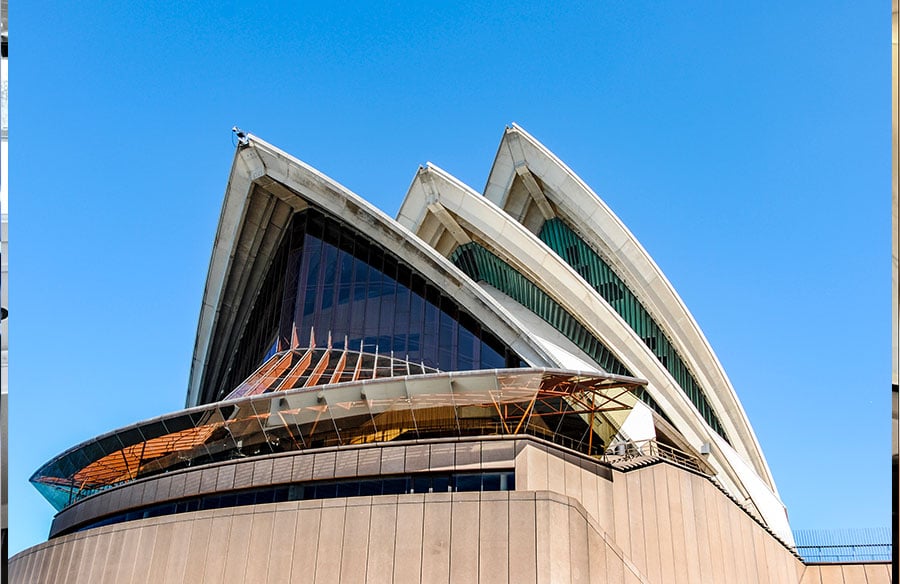
Modern Australian architecture is defined by performance-driven design, environmental responsiveness, and long-term sustainability. Buildings are no longer evaluated solely on aesthetics; they are judged on how well they manage heat, sound, moisture, energy use, and occupant comfort. At the center of this shift are insulation suppliers, whose expertise and product innovation play a critical role in how architectural concepts translate into high-performing built environments.
Rather than being a late-stage material selection, insulation is now a core architectural consideration. Architects increasingly collaborate with Australian suppliers of insulation early in the design process to ensure buildings meet performance targets, regulatory standards, and client expectations. This collaboration has helped shape the way modern Australian buildings are conceived, detailed, and constructed.
Architecture Beyond Aesthetics
Australian architecture has evolved to prioritize function alongside form. Climate responsiveness, energy efficiency, and durability are now central design principles, particularly in commercial, institutional, and multi-residential projects.
Insulation suppliers support this evolution by providing materials and technical guidance that allow architects to design buildings capable of performing under Australia’s varied and often extreme conditions. From intense solar heat to temperature fluctuations and moisture exposure, modern architecture must be engineered to respond to environmental stressors, not just accommodate them.
Insulation as a Design Tool
In contemporary architectural practice, insulation is no longer treated as a hidden layer added after design decisions are made. Instead, it is integrated into the architectural strategy.
The choice of insulation affects wall thickness, roof profiles, façade systems, and detailing around junctions and penetrations. Insulation suppliers assist architects in selecting solutions that align with design intent while achieving required thermal and acoustic performance.
This integration allows for more refined, efficient designs that balance visual impact with functional performance.
Responding to Australia’s Climate Diversity
Australia’s climate varies widely across regions, creating unique challenges for architects. Buildings in hot, arid environments require insulation strategies that limit heat gain, while those in temperate or coastal regions must manage both temperature and moisture.
Insulation suppliers provide regionally appropriate solutions that reflect these conditions. Their input helps architects specify materials that perform reliably in specific climates, supporting consistent internal comfort and reducing reliance on mechanical systems.
This climate-responsive approach is a defining feature of modern Australian architecture.
Supporting Energy-Efficient Building Design
Energy efficiency is a major driver in contemporary architectural design. Buildings that consume less energy are not only more sustainable but also more economical to operate.
Insulation suppliers contribute to energy-efficient outcomes by offering products that reduce heat transfer and stabilize internal temperatures. These solutions allow architects to design buildings that perform well without excessive dependence on heating or cooling systems.
As energy standards continue to tighten, insulation has become one of the most influential elements in achieving compliance and performance goals.
Enabling Compliance With Building Standards
Australian architectural projects must meet strict regulatory requirements related to energy efficiency, fire performance, and acoustic control. Insulation plays a central role in satisfying these standards.
Specialist insulation suppliers support architects by providing products that are tested, certified, and suitable for specific applications. They also offer technical documentation and guidance that assists with approvals and compliance processes.
This support reduces risk during construction and ensures architectural designs can be delivered as intended.
Acoustic Performance in Architectural Design
Sound control is a critical consideration in many modern buildings, particularly offices, educational facilities, healthcare environments, and multi-residential developments.
Insulation suppliers help architects address acoustic performance by offering materials that reduce sound transmission and improve internal comfort. These solutions are often integrated into walls, floors, ceilings, and service areas without compromising design aesthetics.
By enabling effective acoustic control, insulation suppliers contribute to buildings that support productivity, privacy, and wellbeing.
Fire Safety and Material Selection
Fire safety is a non-negotiable aspect of architectural design. Insulation materials must meet specific fire performance criteria, particularly in commercial and high-occupancy buildings.
Insulation suppliers play an important role in guiding architects toward materials that align with fire safety requirements while maintaining thermal and acoustic performance. Their expertise helps ensure that design choices do not introduce unnecessary risk or compliance issues.
Fire-rated insulation has become an integral part of responsible architectural specification.
Collaboration From Concept to Construction
One of the defining characteristics of modern Australian architecture is increased collaboration between architects, engineers, and material specialists. Insulation suppliers are now active participants in this collaborative process.
By engaging suppliers early, architects gain access to technical insight that informs design decisions before construction begins. This reduces the need for redesign, minimizes performance gaps, and supports smoother project delivery.
The result is architecture that performs as well in reality as it does on paper.
Sustainability and Long-Term Building Performance
Sustainability is no longer optional in architectural design. Clients, regulators, and occupants increasingly expect buildings to demonstrate environmental responsibility.
Insulation suppliers support sustainable architecture by providing products that improve thermal efficiency, reduce operational energy use, and contribute to lower carbon footprints over the building’s life cycle.
Durable, high-performance insulation also supports long-term building value by reducing maintenance requirements and improving occupant comfort.
Shaping the Future of Australian Architecture
As architectural design continues to evolve, insulation suppliers will remain central to innovation and performance. Advances in materials, testing, and system integration will further influence how buildings are designed and constructed.
Architects who engage closely with insulation suppliers are better positioned to create buildings that are resilient, efficient, and suited to Australia’s unique environmental conditions.
Insulation Suppliers as Architectural Partners
Modern Australian architecture is shaped not only by design vision but by the materials and expertise that bring that vision to life. Insulation suppliers play a vital role in enabling architects to deliver buildings that meet performance expectations, regulatory requirements, and sustainability goals.
By supporting climate-responsive design, energy efficiency, acoustic comfort, and safety, insulation suppliers have become essential partners in shaping the built environment across Australia.