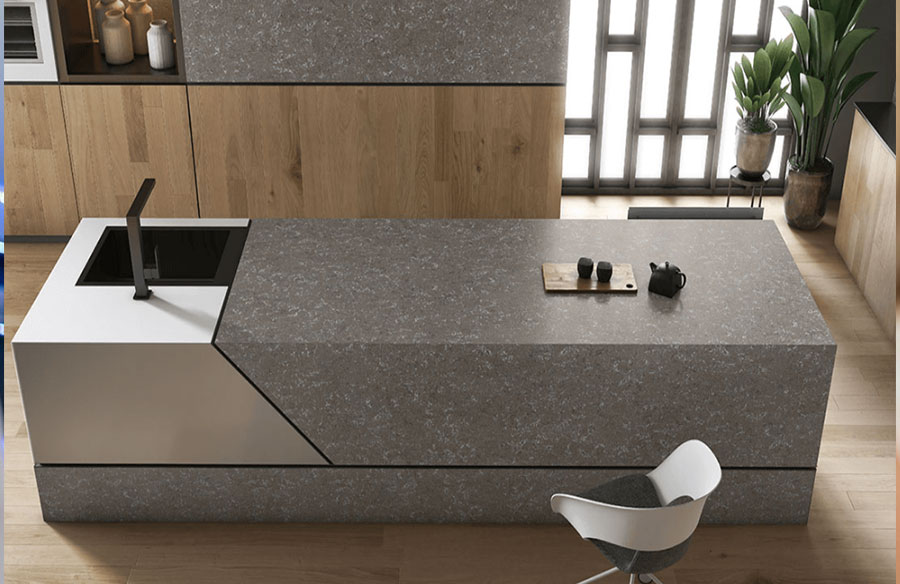
Choosing the right vanity countertops plays a major role in defining both functionality and visual appeal in bathrooms of all sizes. From compact apartments to expansive luxury homes, the countertop surface influences hygiene, durability, moisture control, and long-term maintenance. Bathrooms are exposed to water, steam, temperature variations, and cleaning agents daily, making surface selection a technical decision rather than solely a decorative one.
Understanding material performance, space requirements, and maintenance behavior helps homeowners and designers make practical, long-lasting choices.
Understand Space Proportions Before Selecting a Surface
Compact bathrooms demand surfaces that support visual continuity and functional efficiency. Oversized slabs or heavy textures can overwhelm small layouts, while lighter tones and consistent finishes improve perceived space. In luxury bathrooms, larger vanity formats allow for bolder color palettes, seamless slab usage, and dual-sink installations. However, the surface must still deliver consistent performance under moisture exposure and frequent use.
The thickness, edge profile, and finish of vanity countertops should align with the room scale. Slim profiles suit modern compact spaces, while thicker slab formats complement grander vanity designs in premium interiors.
Prioritize Moisture Resistance and Hygiene
Bathrooms are high-moisture environments. Surfaces that absorb water can develop staining, discoloration, and microbial growth over time. A technically suitable vanity surface should feature low porosity, resistance to water penetration, and compatibility with disinfectant cleaners.
Non-porous engineered surfaces reduce moisture retention and support hygienic maintenance. This becomes particularly important in family bathrooms, hotels, and frequently used powder rooms, where surface hygiene directly impacts indoor cleanliness standards.
Evaluate Durability and Daily Use Performance
Vanity countertops are subjected to repeated impact from toiletries, grooming tools, and storage accessories. Long-term performance depends on resistance to scratching, surface chipping, and edge damage. Compact bathrooms often require tight clearances, making edge durability especially important.
In luxury settings, larger vanity slabs must maintain uniform appearance and surface stability across wider spans. UV stability also matters in bathrooms with natural light, as color fading can compromise design consistency over time.
How Lighting Conditions Influence Vanity Surface Selection?
Lighting directly affects how vanity countertops look and perform over time. Compact bathrooms usually rely on artificial lighting, making light-colored, reflective surfaces useful for maintaining brightness and reducing visual heaviness. In luxury bathrooms with larger windows and layered lighting, surfaces must maintain color stability under both daylight and artificial illumination.
UV-stable materials prevent fading and patchy discoloration. Finish selection also matters; high-gloss surfaces increase glare and highlight water streaks, while satin or soft-matte finishes provide balanced reflectivity and easier maintenance, ensuring long-term visual consistency.
Choose a Finish That Matches Functional Needs
Finish selection influences both maintenance effort and visual appeal. High-gloss surfaces reflect light and enhance brightness in smaller bathrooms, while matte or satin finishes offer subtle texture control in luxury spaces. Each finish should be evaluated for ease of cleaning, fingerprint visibility, and resistance to chemical-based bathroom cleaners.
The finish of vanity countertops should also support anti-slip behavior near sink areas to reduce water pooling and surface streaking.
Maintenance and Cleaning Compatibility
Daily cleaning routines involve disinfectants, mild acids, and cosmetic products. Surfaces that react to chemicals can lose polish, develop etching, or discolor. Technically suitable vanity surfaces maintain surface integrity when cleaned with standard household cleaners without requiring specialized maintenance procedures.
Low-maintenance surfaces offer long-term visual consistency while reducing upkeep costs, especially in rental properties, hospitality projects, and multi-user residences.
Sustainability and Indoor Compliance Considerations
Sustainability has become a critical factor in modern interior planning. Vanity surfaces aligned with green building practices support responsible construction and indoor environmental quality. IGBC-aligned sustainability standards encourage the use of surfaces that support moisture control, hygienic performance, and responsible material usage.
For projects focused on health and environmental compliance, it is also important to select surfaces that carry NSF certification for hygiene-related applications, ensuring material suitability in moisture-prone and frequently cleaned environments.
Why Porosity Control Matters in High-Use Bathrooms?
Porosity determines how vanity countertops react to moisture, cosmetics, and cleaning products. Highly porous materials absorb liquids, increasing the risk of staining, discoloration, odor retention, and microbial growth over time. In frequently used bathrooms, non-porous surfaces prevent water penetration, support effective cleaning, and maintain hygienic performance. Low-porosity surfaces also resist chemical etching and surface dulling caused by daily cleaners.
This improves long-term durability, preserves appearance, and reduces maintenance effort, making porosity control essential for both compact and luxury bathroom environments.
Engineered Surfaces for Hygiene and Durability
In engineered surface categories, some advanced non-porous slab materials from brands like Neotra Advance Surfaces are NSF-certified, offering controlled porosity, moisture resistance, and long-term design stability. Such surfaces are developed to support hygienic performance, uniform slab consistency, and durability in bathroom vanity applications without compromising visual continuity.
Matching Design Themes Across Bathroom Types
Compact bathrooms benefit from light-colored vanity countertops with minimal veining, improving brightness and visual openness. Seamless sink integration and consistent slab patterns reduce visual clutter.
Luxury bathrooms allow deeper tones, dramatic veining, waterfall edges, and continuous slab backsplashes. However, the surface must maintain color stability, resist cleaning chemicals, and protect against moisture to ensure long-term design integrity.
Installation and Edge Detailing
Proper installation affects surface life. Correct substrate support, waterproof sealing at joints, and reinforced sink cut-outs prevent cracking and moisture seepage. Edge detailing should match functional needs. Rounded edges improve safety in tight spaces, while square or chamfered edges enhance modern luxury aesthetics.
Long-Term Value and Performance
Selecting vanity countertops is not a short-term decorative decision. It influences maintenance effort, hygiene performance, indoor environmental quality, and visual longevity. Surfaces with stable color, low porosity, chemical resistance, and alignment with sustainability goals provide better long-term value and reduce replacement frequency.
Conclusion
Choosing vanity countertops requires balancing technical performance with visual design. Compact bathrooms benefit from light, seamless, moisture-resistant surfaces, while luxury bathrooms require stable, durable slabs that maintain design integrity over time. When surfaces meet hygiene standards, sustainability expectations, and daily-use demands, they deliver lasting value, a consistent appearance, and functional comfort in every bathroom setting.