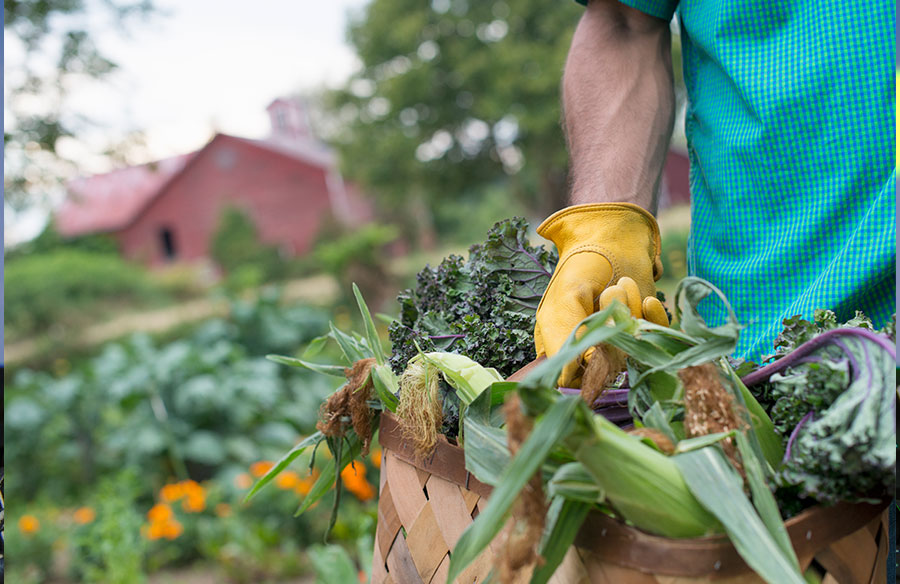
As cities expand and resources come under increasing pressure, the way we produce and consume food is becoming a central question in conversations about sustainable living. While large-scale solutions such as renewable energy and green architecture often take centre stage, smaller, domestic practices are proving just as influential. One of the most effective — and often overlooked — is home-grown food.
Growing vegetables at home, whether in gardens, balconies, rooftops or shared community spaces, is quietly reshaping how households interact with food systems. It represents a shift away from passive consumption towards active participation, placing sustainability into everyday life rather than future theory.
Rethinking food systems at a domestic level
Modern food systems are highly efficient, but they are also resource-intensive. Long supply chains, refrigeration, packaging, and transport contribute significantly to carbon emissions. Fresh produce may travel hundreds or even thousands of miles before reaching a plate, often losing nutritional value along the way.
Home-grown food challenges this model by shortening the distance between production and consumption to almost zero. Vegetables harvested minutes before cooking require no packaging, no transport, and no cold storage. This decentralised approach may seem small in isolation, but when adopted across communities, it contributes meaningfully to reducing environmental impact.
Importantly, domestic food growing doesn’t aim to replace commercial agriculture. Instead, it complements it by reducing demand pressure and encouraging more conscious consumption patterns.
The environmental value of growing vegetables at home
From a sustainability perspective, growing vegetables offers multiple environmental benefits beyond reduced food miles.
Healthy home gardens improve soil quality, particularly when organic practices are used. Composting kitchen waste returns nutrients to the soil, reducing landfill use and supporting circular systems within the household. Gardens also increase biodiversity, offering habitats for insects, birds, and pollinators that are essential to wider ecosystems.
Even small-scale growing can play a role in urban climate resilience. Vegetation helps reduce heat absorption in built environments, improves air quality, and assists with water management by slowing runoff during heavy rainfall.
Starting with simple, reliable crops using vegetable seeds allows households to engage with these benefits directly, without the need for complex infrastructure or specialist knowledge.
Designing spaces that support food growing
As sustainable architecture evolves, food production is increasingly being integrated into residential design. Raised beds, green roofs, vertical gardens, and shared courtyards are no longer niche ideas but emerging components of forward-thinking developments.
This integration reflects a broader design philosophy that prioritises multifunctional spaces. A garden is no longer purely aesthetic; it becomes productive. A balcony becomes a growing area. A rooftop becomes both insulation and a source of food.
Designing with food in mind encourages long-term thinking. Materials, light access, water management, and layout choices all influence how easily residents can grow food, making sustainability a practical, lived experience rather than an abstract goal.
Shifting cultural attitudes to food and consumption
Growing vegetables at home changes how people relate to food. It introduces an awareness of seasonality, effort, and natural limits that is often absent in modern consumption habits. When households grow even a small portion of their own produce, food waste tends to decrease and appreciation increases.
This shift has broader implications. Sustainable living relies not only on technology but on cultural change — a move towards valuing resources, reducing excess, and making informed choices. Home food growing reinforces these values daily, through observation rather than instruction.
Children raised in households where food is grown are more likely to understand where it comes from and how it is produced. This knowledge fosters long-term awareness that supports future sustainability efforts across generations.
Food security and resilience in uncertain futures
Climate change, geopolitical instability, and economic fluctuations have highlighted vulnerabilities in global food systems. While individual households cannot solve these challenges alone, small-scale growing contributes to resilience.
Home-grown vegetables provide a degree of food security, particularly during periods of disruption or rising costs. Even modest harvests can supplement diets, reduce reliance on external supply chains, and offer reassurance during uncertain times.
From a future-facing perspective, resilience is as important as efficiency. Systems that allow flexibility, local adaptation, and self-sufficiency are better equipped to withstand change. Domestic food growing aligns closely with these principles.
Accessibility and inclusivity in sustainable living
One of the strengths of home-grown food as a sustainability practice is its accessibility. It does not require advanced technology, large budgets, or extensive land. Vegetables can be grown in containers, window boxes, community plots, or shared gardens, making participation possible across a wide range of living situations.
This inclusivity matters. Sustainable living must be achievable at scale to be effective. Practices that are adaptable, low-cost, and easy to integrate into existing lifestyles are more likely to be adopted widely.
As awareness grows, local authorities, housing developers, and community organisations are increasingly recognising the role of shared growing spaces in supporting both environmental and social sustainability.
From individual action to collective impact
While growing vegetables often begins as a personal or household choice, its influence extends outward. Neighbours share produce, seeds, and knowledge. Communities build connections around shared growing spaces. These social networks strengthen local resilience and encourage collective responsibility for the environment.
Over time, these small actions contribute to larger shifts in demand, design priorities, and policy considerations. When sustainable practices become part of everyday life, they influence expectations of how homes, cities, and systems should function.
Home-grown food exemplifies how future sustainable living does not rely solely on innovation at scale, but on rethinking everyday practices through an environmental lens.
Looking forward
The future of sustainable living will be shaped by a combination of global solutions and local action. While large infrastructure changes are essential, they must be supported by cultural shifts that redefine how people engage with resources.
Growing vegetables at home offers a practical, adaptable, and deeply human response to sustainability challenges. It reconnects people with natural systems, encourages thoughtful consumption, and embeds resilience into daily life.
As cities evolve and sustainability becomes an increasingly urgent priority, home-grown food stands as a reminder that meaningful change often begins at home — one seed, one plant, and one meal at a time.