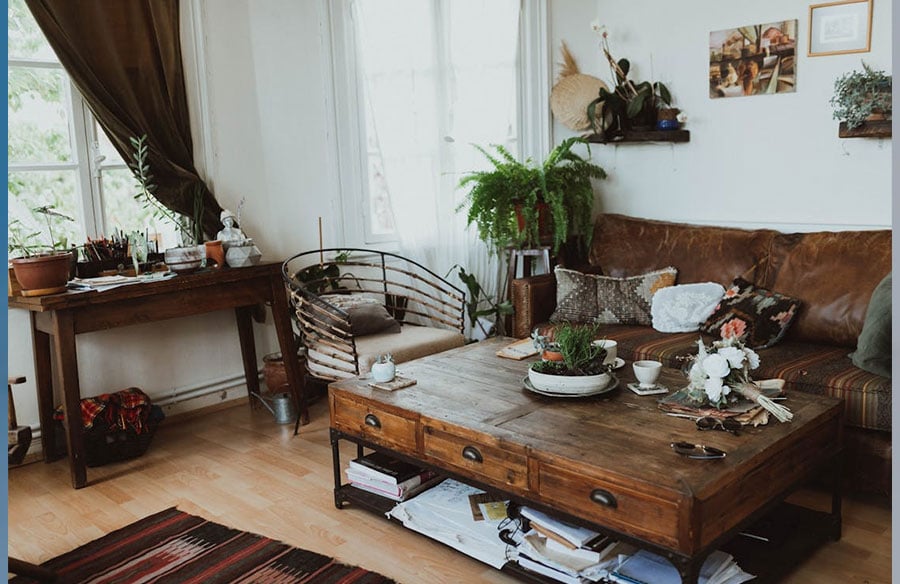
Older homes ask for a different way of thinking because their structure exhibits decisions made long before current building habits existed. Materials were selected for availability, craftsmanship, and practicality at the time. Over decades, those materials settled, adjusted, and reacted to daily use in quiet ways. Maintenance becomes less about surface-level fixes and more about understanding how each part of the house has aged together.
Daily upkeep involves noticing patterns that repeat across seasons. Small sounds, airflow changes, or subtle shifts usually point to long-standing behavior rather than sudden damage. Familiarity grows through regular observation, not manuals or modern expectations. A thoughtful mindset forms by learning how the house responds and respecting the pace set by its age.
Rodent Issues
Early construction methods allowed flexibility within walls, floors, and foundations. As a result, gaps formed around pipes, beams, and utility routes as structures settled over time. Hidden voids connect across rooms, creating internal pathways that remain unseen during routine checks. Such spaces rarely draw attention until signs begin appearing in lived areas.
As movement inside walls becomes noticeable, mice in your home can turn into a worrisome concern rather than an abstract risk. Droppings, sounds, and damaged insulation often originate from areas built without tight barriers. Reaching out to hire pest control brings clarity to what remains hidden and helps protect the structure from damage that spreads quietly.
Wood Framing
Lumber used decades ago behaves based on long-term exposure to humidity, temperature shifts, and weight distribution. Framing absorbs years of pressure from upper floors, roofs, and interior changes. Movement occurs gradually and shows up through minor alignment changes across rooms.
Cracks around joints, subtle bends, or nail movement reflect age-related response rather than poor workmanship. Maintenance focuses on stability and observation rather than correction. Understanding how framing reacts helps guide repairs without forcing rigid fixes onto material that continues adjusting.
Ventilation Paths
Air movement in older homes followed ideas centered on circulation. Open channels allowed air to pass freely between floors, attics, and wall cavities. Over time, those paths collect dust and moisture carried through daily living.
Pests follow airflow patterns, finding access through vents, gaps, and shared cavities. Moisture travels alongside air, affecting insulation and wood surfaces. Maintenance involves monitoring airflow behavior and keeping paths clear rather than sealing everything without context.
Floor Systems
Floors tell stories through sound and movement developed over long periods. Joists settle under repeated weight, and fasteners respond to constant motion. Subtle flexing appears during walking, shifting furniture, or temperature changes.
Sounds signal how materials interact rather than pointing to failure. Regular inspection focuses on structural integrity beneath the surface. Familiarity with floor behavior helps guide reinforcement decisions without unnecessary disruption.
Drainage Layouts
Older drainage systems reflect grading and soil assumptions from earlier building practices. Water paths direct runoff away from foundations using gentle slopes and basic channels. Seasonal changes affect how water moves around the structure.
Soil settling alters original flow patterns over time. Observation during rainfall reveals pooling areas and slow drainage points. Maintenance relies on routine checks and adjustments to preserve the original intent of the layout.
Chimneys
Older chimneys were built around heating habits that involved constant use and heavier output. Brickwork, mortar joints, and interior flue surfaces carry years of exposure that slowly change how they function. Interior wear often develops quietly, hidden behind masonry or inside vertical shafts where it cannot be seen during routine checks. What looks solid from the outside may hold surface changes bigger within the structure.
Care focuses on how air and residue move through the flue. Draft behavior, buildup patterns, and subtle airflow changes provide useful clues about internal condition. Regular attention helps catch wear early, protecting nearby materials from prolonged exposure to heat and byproducts that settle in unnoticed areas.
Rooflines
Design choices made decades ago shaped how roofs manage water, weight, and exposure. Framing layouts and slope angles follow logic tied to materials that guided drainage in specific ways. Repairs added later often follow different practices, creating layered systems beneath shingles and flashing. This mix of methods requires close attention rather than standardized fixes.
Rain and debris follow familiar paths shaped by the structure’s layout. Small alignment changes influence how water moves toward the edges and exits the roof. Watching these patterns helps guide maintenance decisions that protect underlying framing and interior spaces from slow moisture intrusion.
Foundations
Older foundations were built using methods focused on durability and material availability rather than modern sealing practices. Stone, brick, or early concrete foundations allow natural movement between the structure and the surrounding soil. Slight changes may occur as the ground responds to seasonal moisture and temperature changes.
Attention stays on surface texture, interior wall contact, and moisture presence along foundation lines. Fine cracks and damp areas often signal gradual movement rather than sudden damage. Maintenance involves routine observation and moisture control to protect framing and interior finishes from prolonged exposure.
Windows And Doors
Openings in older homes were crafted with materials that respond to daily use and environmental changes. Wood frames adjust subtly, affecting how doors and windows operate. Gaps appear around edges where materials compress or expand over the years of use.
Care should focus on alignment, latch behavior, and seal condition. Changes in operation often signal shifting within the surrounding structure.
Attics
Many older attics served practical roles centered on storage and access. Open framing allowed air to move freely between levels, shaping indoor conditions throughout the home. Insulation choices followed availability and common practice rather than containment strategies. This openness continues to influence temperature and moisture behavior across seasons.
Routine observation helps track subtle shifts in airflow and surface condition. Dust buildup and moisture presence tend to develop gradually, offering early signals that adjustments may be needed. Maintenance respects existing movement patterns while supporting a balance between airflow and material protection.
Repair History
Past repairs form a hidden record that shapes how a home behaves today. Each fix reflects decisions made under specific conditions, using materials and methods available at the time. Layers of work exist beneath visible surfaces, influencing how walls, floors, and ceilings respond to daily use.
Awareness of previous repairs helps explain recurring issues that appear disconnected at first glance. Materials from different periods meet at seams that react uniquely to movement and wear. Maintenance grows from understanding this layered structure and working within it rather than removing earlier solutions without context.
Caring for an older home relies on attention, familiarity, and observation. Maintenance becomes an ongoing conversation with the structure, guided by how materials and systems continue interacting. Respect for age and past decisions supports thoughtful care that keeps the home comfortable and stable for years ahead.