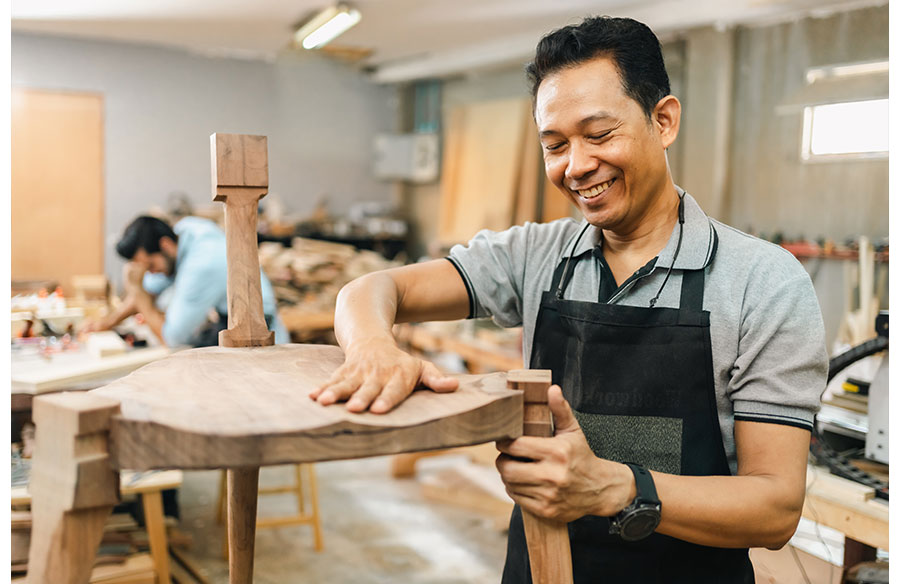
Furniture trends move fast. One year it’s curved silhouettes and boucle, the next it’s minimalist lines and pale oak. But beneath the surface of what’s “in,” something more lasting is happening: more homeowners are stepping off the trend treadmill and looking for furniture that doesn’t need replacing every few years.
Real wood furniture — the kind built with traditional woodworking techniques and meant to be repaired, not discarded — is making a genuine comeback. Not as nostalgia, but as a practical response to fast design: wobbly joins, worn finishes, sagging frames, and a cycle of buying and rebuying that costs more than people expect.
Here’s why timeless, well-made furniture is returning to the spotlight — and what to look for if you want pieces that truly earn a place in your home for the long haul.
Fast Design vs. Furniture That Ages Well
Fast design isn’t automatically “bad,” but it’s often built around short timelines:
- quick production
- materials that look good at first, then decline fast
- trend-led styling that dates quickly
- construction that’s hard to repair
The result is furniture that can feel like a temporary solution, even when you didn’t intend it to be.
Furniture that lasts tends to follow a different logic:
- solid, durable materials
- joints and construction designed for years of use
- finishes that can be refreshed
- proportions that stay relevant across style shifts
When people say “they don’t make them like they used to,” they’re often talking about this difference.
Why Real Wood Is Back in Demand
Real wood isn’t just an aesthetic choice. It’s a performance choice.
Solid wood furniture is valued because it:
- holds structure over time
- can be refinished instead of replaced
- develops character rather than “wearing out”
- feels sturdier and more grounded in daily use
- works across interiors — modern, traditional, farmhouse, minimalist
A scratch on veneer can look like damage. A scratch on real wood can become patina — a sign the piece is being lived with, not just displayed.
The “Invisible” Details That Signal Quality
Most people judge furniture by what they can see: colour, shape, fabric. The real quality is often hidden — and that’s where traditional woodworking matters.
Signs of long-lasting craftsmanship include:
- tight joinery (the way pieces connect)
- solid frames and reinforced corners
- balanced proportions that support weight evenly
- quality hardware (hinges, drawer runners, handles)
- finishes that protect without feeling plasticky
These details are what keep a table steady, a chair supportive, and a cabinet door aligned after years of use.
Timeless Style Is Less About Trends, More About Proportion
A piece can be “modern” and still timeless if its proportions are right.
Timeless furniture often features:
- clean lines
- practical silhouettes
- classic wood tones
- simple detailing that doesn’t date
- functional sizing that fits real homes
That’s why a well-made wooden dining table can move through multiple interior phases — from minimalist to eclectic to classic — without ever feeling out of place.
Why “Repairable” Furniture Is the New Luxury
Luxury today isn’t only about branding — it’s about longevity and control.
Furniture that can be maintained offers:
- the option to refinish surfaces
- the ability to fix small damage
- hardware replacements that extend lifespan
- less guilt over wear-and-tear
- less pressure to keep things “perfect”
It’s a more relaxed way to live: you don’t worry about a home being too precious, because your furniture is built for real life.
The Sustainability Angle People Actually Feel
Sustainability can sound abstract until it becomes personal.
Buying furniture that lasts means:
- fewer replacements
- less waste
- fewer deliveries and packaging cycles
- lower long-term costs
- less “throwaway” consumption
It’s one of the most straightforward sustainable decisions a homeowner can make — because it reduces the need to buy the same thing again.
What to Consider Before You Buy
If you’re investing in furniture meant to last, focus on a few practical questions:
- What is it made of? Solid wood vs. thin veneer composites.
- How is it constructed? Look beyond the finish.
- How will it age? Can it be refinished or repaired?
- Will it still work if your style changes? Timeless silhouettes win.
- Does it fit your actual lifestyle? Kids, pets, entertaining, daily use.
The goal isn’t perfection — it’s durability and relevance.
A Return to Craft, Without the Fuss
The best part of this shift is that it’s not about building a “museum home.” It’s about choosing furniture that supports daily life while still looking beautiful.
That’s why traditional craftsmanship is quietly becoming more valuable again. Makers who focus on real materials, time-tested construction, and longevity are offering an alternative to short-cycle design. For homeowners who want pieces that feel stable and lasting, exploring brands like Snyder’s Furniture can be a practical way to bring that craftsmanship into the home without chasing trends.
Conclusion: The Best Furniture Isn’t the Trendiest — It’s the Most Trusted
Furniture shouldn’t feel disposable. The pieces you use daily — tables, beds, chairs, storage — shape how your home functions and how it feels to live in.
That’s why real wood furniture is making a comeback: it offers stability in a fast world. It lasts, it ages, and it keeps its value in both function and style.
Because the smartest design choice isn’t the one that looks best this year.
It’s the one you’ll still love — and still use — years from now.