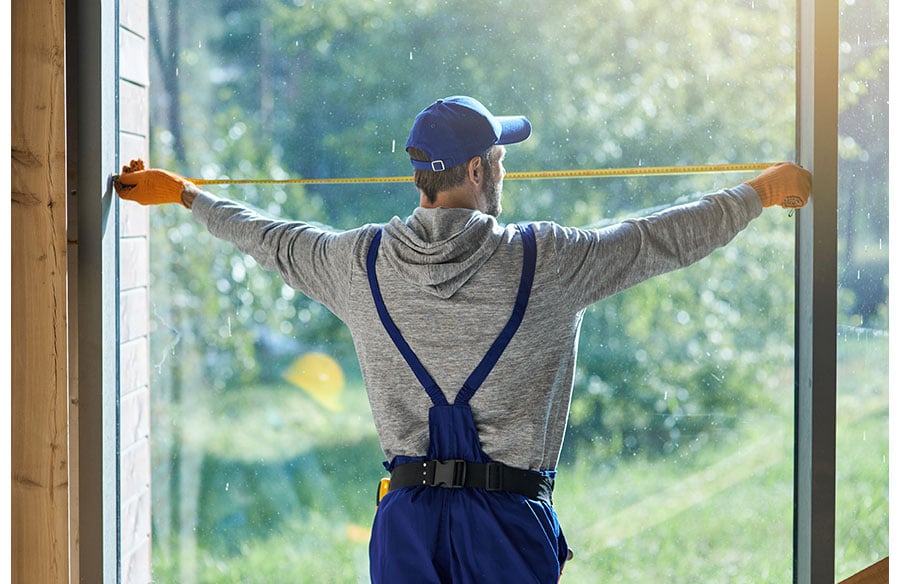
Glass installation often appears to be a routine cost within commercial construction budgets. Discount pricing can seem appealing, yet it commonly reflects reduced quality controls, limited installer training, and incomplete site preparation. Typical outcomes include inaccurate measurements, poorly finished edges, and insufficient frame support. These conditions raise the risk of chips, stress fractures, seal failures, and early glass damage. Issues often surface in storefronts exposed to heavy use and weather.
Over time, lower-quality glazing work places strain on property owners, facility managers, and leasing teams. Repeat service calls, unplanned repairs, and extended insurance review redirect funds away from planned improvements. Verifying contractor qualifications, confirming glazing specifications, and maintaining complete warranty records helps control long-term costs. A deliberate selection process limits corrective work and supports consistent performance across Atlanta commercial properties.
Installation Quality Breakdowns Common on Atlanta Commercial Properties
Cost-driven glazing decisions on commercial properties often lead to performance issues when installation standards are compromised. Measurement inaccuracies and skipped procedures result in misaligned panels, binding doors, and reduced functionality. Inadequate edge finishing increases the likelihood of chips and cracks in high-traffic areas, while poor frame preparation places uneven stress on glass edges, accelerating failure during Atlanta’s routine temperature fluctuations.
These issues are far less common when projects are handled by experienced commercial glass installers who follow certified procedures and documented installation steps. Proper measurements, factory-grade edge finishing, and thorough frame preparation support long-term durability and help preserve manufacturer warranties. Facilities teams benefit from lower lifecycle costs, fewer corrective repairs, and reduced insurance scrutiny.
Code and Inspection Issues Across the Atlanta Metro Area
Commercial properties in Atlanta must meet defined safety glazing, impact, and load standards to pass inspection. Discount installers often supply glass that lacks required ratings, thickness, or structural capacity. These specification gaps frequently lead to failed inspections requiring removal and replacement of installed panels. Corrections increase costs, extend timelines, and increase liability under Georgia building regulations.
Incomplete documentation creates delays. Missing test data, partial submittals, and unapproved hardware slow permit approval for retail, office, and mixed-use developments. Inspection setbacks increase administrative workload and may affect insurance coverage when deficiencies are recorded. Verifying glazing types, thickness, load ratings, and approved hardware before submission reduces inspection failures and corrective work.
Increased Maintenance Burden for Atlanta Facilities Teams
Facilities teams experience higher service demand following low-cost glazing installations. Poorly seated glass, misaligned hardware, and improper sealing generate repeat service requests and increase operating costs. Moisture intrusion during Atlanta’s humid conditions accelerates deterioration of frames and finishes, converting minor defects into larger repair requirements.
Improper glass selection for high-traffic storefronts and entrances results in frequent replacements and added administrative effort. Maintenance planning becomes reactive rather than scheduled. Requiring mock-ups, matching glass performance to usage levels, and retaining clear warranty records reduces repeat issues. These practices support preventive maintenance programs and help stabilize long-term operating budgets.
Day-to-Day Business Disruptions Caused by Glass Deficiencies
Glass failures in entrances, storefronts, and atriums often require temporary closures to address safety concerns. Closures interrupt operations, delay appointments, and reduce revenue. Thin or improperly installed glass increases sound transfer in multi-tenant properties, leading to tenant complaints. Visible chips, cracks, and seal failures also affect perceptions of building condition.
Frequent repair activity disrupts normal schedules and diverts property teams from planned work. Administrative demands rise as teams coordinate vendors, inspections, and insurance claims. Reactive management replaces scheduled maintenance, increasing labor costs and reducing tenant satisfaction. Using qualified installers and clear contract standards reduces disruption frequency and supports consistent building operations.
Long-Term Property Value Challenges in the Atlanta Market
Visible glazing defects reduce curb appeal and draw attention from brokers, tenants, and investors. In Atlanta’s competitive commercial market, perceived construction deficiencies lower marketability and complicate leasing efforts. Tenants may request rent concessions, increased finish allowances, or other offsets to account for repair risk, raising long-term ownership costs.
Capital funds often shift toward corrective glazing work, delaying planned upgrades and limiting tenant improvement budgets. Ongoing repairs create uncertainty in operating cost forecasts. Partnering with experienced Atlanta glazing providers reduces repeat failures, clarifies warranty responsibility, and supports consistent maintenance planning. Reliable glazing performance helps owners protect asset value and negotiate leases with greater confidence.
Long-term performance matters more than short-term savings when it comes to commercial glass. Installation quality influences safety, inspections, maintenance workload, and how a property is perceived by tenants and investors. Discount work often introduces avoidable risks that surface through repairs, downtime, and added administrative effort. Focusing on qualified professionals, clear specifications, and complete documentation supports smoother operations over time. These choices help Atlanta businesses limit unexpected costs, maintain building reliability, and plan capital spending with greater confidence. Careful contractor selection plays a direct role in protecting property value and keeping commercial spaces operating as intended.