Whether you manage a manufacturing facility, oversee construction projects, or coordinate logistics operations, the materials you choose directly impact performance, safety, and your bottom line.
Industrial fabrics are among the most versatile and essential materials across dozens of industries, yet many buyers don’t fully understand what separates a high-quality product from a subpar one.
This guide breaks down everything you need to know before making your next purchase. From key features to certifications and applications, you’ll walk away with the knowledge to make smarter sourcing decisions.
What Are Industrial Fabrics?
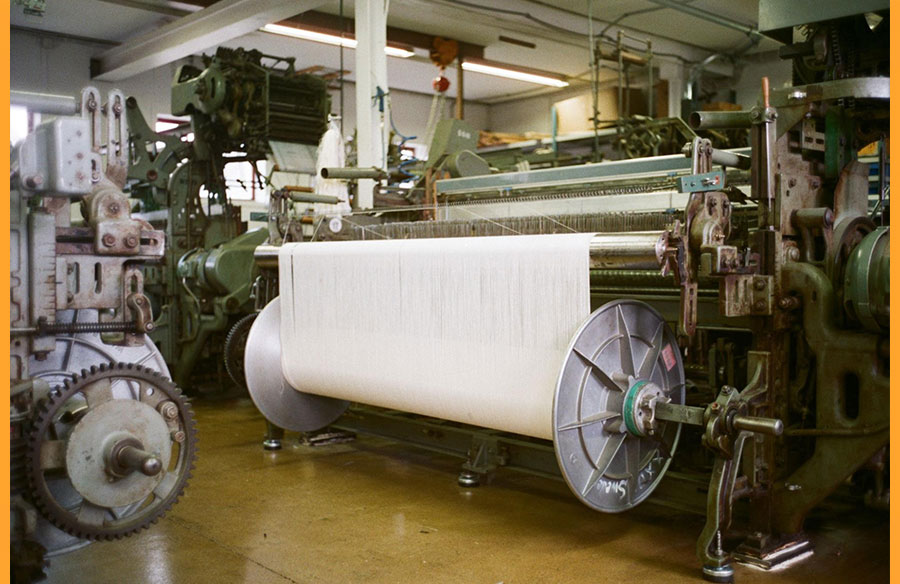
Industrial fabrics are heavy-duty, engineered textiles designed to withstand demanding commercial and industrial environments. Unlike standard fabrics used in consumer goods, these materials are built for protection, containment, and long-term durability.
They typically consist of woven or non-woven base materials coated with polymers such as polypropylene, polyethylene, or PVC. The coating process adds critical properties like water resistance, UV protection, and chemical resistance.
Common Applications Across Industries
The versatility of industrial fabrics makes them indispensable in countless settings. Here are some of the most common use cases buyers should be aware of.
Machine and Equipment Covers: Expensive machinery in factories, construction sites, and agricultural operations needs protection from dust, moisture, and UV exposure. Industrial fabrics provide a lightweight yet durable shield that extends the life of valuable equipment.
Secondary Containment: Environmental regulations require businesses to contain hazardous materials properly. Industrial fabrics are used to line or cover containment areas, helping companies stay compliant while preventing costly spills.
Dunnage and Reusable Packaging: Logistics and automotive companies rely on industrial fabrics to create impact-resistant, reusable packaging for transporting parts and components. This reduces waste and lowers long-term packaging costs.
Temporary Water Storage: Emergency response teams and agricultural operations use collapsible tanks and liners made from industrial fabrics for rapid water deployment. These solutions are portable, durable, and easy to store when not in use.
Flexible Ducting: Industrial air handling systems and confined space ventilation rely on fabric ducting that can bend, flex, and withstand airflow pressure. The right fabric ensures efficient air movement without degradation over time.
Passenger Boarding Bridges: Airports use flame-retardant industrial fabric canopies to shield passengers from the weather as they board aircraft. These materials must meet strict fire safety standards while remaining weatherproof.
Key Features to Look For
Not all industrial fabrics are created equal. When evaluating products, prioritize these essential characteristics to ensure you’re getting materials that will perform under pressure.
Durability and Tear Resistance: The fabric should withstand abrasion, punctures, and repeated use without compromising its integrity. Look for products with reinforced scrim or woven base layers that add structural strength.
Weight Considerations: Heavier isn’t always better. Lightweight fabrics reduce shipping costs, ease installation, and minimize ergonomic strain on workers handling the material.
Chemical Resistance: If your application involves exposure to oils, solvents, or corrosive substances, the fabric must resist degradation. Polypropylene-coated options often outperform PVC in chemical environments.
Cold Temperature Flexibility: Many traditional fabrics become brittle and crack in freezing conditions. High-quality industrial fabrics maintain their flexibility and strength even in sub-zero temperatures.
UV Resistance: Outdoor applications demand materials that won’t crack, fade, or weaken under prolonged sun exposure. UV-stabilized coatings extend the service life of fabrics used in exterior settings.
Waterproof Performance: A truly waterproof fabric creates an impermeable barrier against moisture, preventing mold, mildew, and water damage. Don’t confuse water-resistant with waterproof the distinction matters.
Understanding Certifications and Compliance
 Certifications aren’t just marketing claims they’re third-party verifications that the fabric meets specific safety and performance standards. Here’s what to look for when reviewing product documentation.
NFPA 701 Flame Resistance: This certification indicates the fabric has passed standardized flame resistance testing. It’s essential for applications in facilities where fire safety is a priority.
California State Fire Marshal (Title 19): Products listed under Title 19 meet California’s stringent fire safety requirements for both interior and exterior use. This certification is often required for projects involving public spaces or government contracts.
CPSIA Compliance: The Consumer Product Safety Improvement Act sets limits on hazardous substances in materials. CPSIA-compliant fabrics are free from dangerous levels of lead, phthalates, and other harmful chemicals.
PFAS-Free Certification: Per- and polyfluoroalkyl substances (PFAS) are increasingly regulated due to environmental and health concerns. Forward-thinking buyers are now prioritizing PFAS-free fabrics to reduce liability and align with emerging regulations.
Comparing Material Types
 The base material and coating of an industrial fabric determine its performance characteristics. Understanding the differences helps you match the right product to your specific application.
Polypropylene-Coated Fabrics: These offer excellent chemical resistance, lightweight handling, and strong environmental credentials. They’re increasingly replacing PVC in applications where sustainability and worker safety matter.
PVC-Coated Fabrics: Traditional PVC fabrics are widely available and cost-effective for general-purpose applications. However, they contain vinyl chloride and phthalates, which raise health and environmental concerns.
Polyethylene Fabrics: These are commonly used for temporary covers and lightweight applications. They’re affordable but typically less durable than polypropylene or PVC options.
Translucent Fabrics: Specialty fabrics that allow filtered light transmission are ideal for outdoor work zones, temporary shelters, and dust covers. They protect while maintaining visibility and reducing the need for artificial lighting.
Sustainability Considerations
Environmental responsibility is no longer optional for businesses serious about their reputation and regulatory compliance. The industrial fabrics you source reflect your company’s commitment to sustainability.
Recyclability: Some manufacturers offer closed-loop recycling programs that take back end-of-life fabrics for processing. This reduces landfill waste and supports circular economy initiatives.
Harmful Chemical Avoidance: Fabrics free from PFAS, phthalates, lead, vinyl chloride, and cadmium protect workers during fabrication and end users during deployment. They also simplify disposal and reduce long-term liability.
Reduced Carbon Footprint: Lightweight fabrics require less fuel to ship, lowering transportation emissions. Durable materials that last longer also reduce the frequency of replacement and associated manufacturing impacts.
Questions to Ask Your Supplier
A reliable supplier should be able to answer detailed questions about their products without hesitation. Use these questions to evaluate potential partners before placing an order.
Can you provide third-party test results and certifications for flame resistance, chemical composition, and performance standards? What is the expected service life of this fabric under my specific application conditions?
Do you offer technical support for product selection and installation guidance? What are your lead times, and do you stock inventory for fast shipping?
Is there a recycling or take-back program available for end-of-life materials? Can you provide samples or small quantities for testing before committing to a large order?
Selecting the Right Weight and Grade
Industrial fabrics come in various weights measured in ounces per square yard or grams per square meter. Choosing the appropriate weight depends on your application’s demands.
Lightweight Options (6-8 oz): Best for temporary covers, dust barriers, and applications where ease of handling is paramount. These fabrics work well when frequent setup and teardown are required.
Midweight Options (9-12 oz): Versatile enough for dunnage, general-purpose tarps, and moderate-duty containment applications. They balance durability with manageable weight.
Heavyweight Options (13+ oz): Designed for extreme applications, long-term outdoor exposure, and situations demanding maximum tear and abrasion resistance. These are your go-to choices for permanent installations and harsh environments.
Making Your Final Decision
Selecting the right industrial fabric requires balancing performance requirements, budget constraints, and long-term value. Don’t make the mistake of choosing based on price alone.
Consider the total cost of ownership, including shipping, installation labor, expected service life, and disposal costs. A slightly higher upfront investment in quality materials often pays dividends through reduced replacements and downtime.
Partner with suppliers who offer technical expertise, responsive customer service, and a genuine commitment to helping you succeed. The right relationship turns a transactional purchase into a strategic advantage.
Conclusion
Industrial fabrics are foundational materials that impact safety, efficiency, and sustainability across virtually every industry. Understanding the features, certifications, and material options available empowers you to make purchasing decisions that serve your organization for years to come.
Take the time to evaluate your specific needs, ask the right questions, and partner with suppliers who prioritize quality and transparency. Your projects and your bottom line will thank you.