The field of orthodontics has undergone a remarkable transformation in recent years, moving far beyond the traditional metal braces that once dominated dental surgeries. Today’s orthodontists have access to an impressive arsenal of cutting-edge technologies that make teeth straightening faster, more comfortable, and considerably more discreet than ever before. These innovations are not merely cosmetic improvements to existing treatments; they represent fundamental advances in how we approach dental alignment, offering patients unprecedented levels of precision, convenience, and aesthetic appeal. Whether you’re considering orthodontic treatment for yourself or a family member, understanding these latest technological developments can help you make an informed decision about your dental care.
Clear Aligner Technology and Digital Treatment Planning
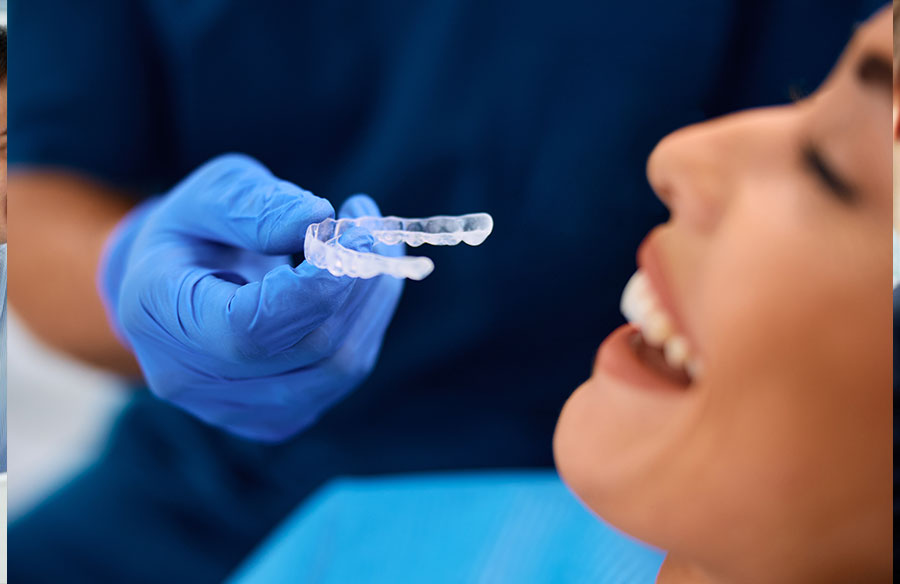
Perhaps the most visible revolution in orthodontics has been the widespread adoption of clear aligner systems. Unlike traditional braces, these transparent, removable trays are custom-manufactured using sophisticated 3D printing technology and proprietary thermoplastic materials. The process begins with a comprehensive digital scan of the patient’s teeth, which creates a precise three-dimensional model. Advanced software then maps out the entire treatment journey, allowing both orthodontist and patient to visualise the expected final result before treatment even begins.
Modern clear aligners utilise SmartTrack or similar advanced materials that apply gentle, consistent pressure to guide teeth into their desired positions. The technology has evolved significantly, with newer systems incorporating precision-cut features, attachment points, and force-optimised designs that can address increasingly complex orthodontic issues. Some systems now include compliance indicators that fade with wear, helping orthodontists monitor whether patients are wearing their aligners for the recommended 20-22 hours daily.
3D Imaging and Digital Scanning
The days of uncomfortable impression putty are rapidly becoming obsolete, thanks to intraoral scanners that capture highly accurate digital impressions in mere minutes. These sophisticated devices use optical scanning technology to create detailed 3D models of teeth, gums, and bite alignment. The scanners employ structured light or laser technology to capture thousands of images per second, which are then processed into comprehensive digital models.
This technology offers numerous advantages beyond patient comfort. Digital scans are more accurate than traditional impressions, reducing the likelihood of ill-fitting appliances and the need for retakes. The digital files can be instantly transmitted to laboratories or treatment planning centres, dramatically reducing turnaround times. Furthermore, these scans can be stored indefinitely, allowing orthodontists to track changes over time and compare pre-treatment, mid-treatment, and post-treatment results with exceptional precision.
Artificial Intelligence and Treatment Prediction
Artificial intelligence has begun playing an increasingly significant role in orthodontic treatment planning. Machine learning algorithms can now analyse thousands of previous cases to predict treatment outcomes with remarkable accuracy, helping orthodontists design more effective treatment plans. These AI systems can identify potential complications before they arise, suggest optimal treatment paths, and even predict treatment duration with greater precision than traditional methods.
Some platforms use AI to analyse facial photographs alongside dental scans, ensuring that tooth positioning enhances overall facial aesthetics rather than focusing solely on dental alignment. This holistic approach represents a significant shift towards treating the face as an integrated whole, resulting in outcomes that look natural and harmonious with each patient’s unique facial features.
Accelerated Orthodontics
One of the most exciting developments in recent years has been the emergence of technologies like Invisalign that are designed to speed up tooth movement safely. Devices using low-level light therapy or gentle vibration technology can stimulate cellular activity in the bone surrounding teeth, potentially reducing treatment time by up to 50% in some cases.
Photobiomodulation devices emit specific wavelengths of light that penetrate the gums and stimulate bone remodelling, the biological process underlying tooth movement. Patients typically use these devices for just minutes each day alongside their primary orthodontic treatment. Similarly, vibration-based accelerators work by transmitting gentle micropulses through the teeth and into the surrounding bone, enhancing the natural remodelling process.
Another approach involves minor surgical interventions such as micro-osteoperforations, where tiny perforations in the bone trigger a healing response that accelerates tooth movement. While more invasive than device-based methods, this technique can dramatically reduce treatment duration for patients seeking faster results.
Customised Brackets and Robotically Bent Wires
For patients who still require traditional braces, technology has revolutionised these appliances as well. Modern brackets can be individually customised for each tooth using 3D printing technology, ensuring optimal positioning and more efficient tooth movement. These custom brackets are designed using sophisticated software that calculates the precise prescription needed for each tooth, resulting in shorter treatment times and improved outcomes.
Robotic wire-bending technology represents another significant advancement. Computer-controlled robots can bend orthodontic wires to incredibly precise specifications based on each patient’s unique dental anatomy and treatment plan. These customised wires apply forces more accurately than manually bent wires, reducing discomfort and improving treatment efficiency.
Temporary Anchorage Devices (TADs)
Temporary anchorage devices, or mini-screws, have expanded the possibilities of what orthodontics can achieve without requiring jaw surgery. These tiny titanium screws, typically less than two millimetres in diameter, are temporarily placed in the jaw bone to serve as fixed anchor points. TADs allow orthodontists to move teeth in directions that would be difficult or impossible with traditional braces alone.
The placement procedure is minimally invasive and performed under local anaesthetic, with the devices removed once they’ve served their purpose. Modern TADs are smaller and more comfortable than earlier versions, and their strategic use can eliminate the need for headgear or other cumbersome appliances, representing a significant improvement in patient comfort and treatment capability.
Conclusion
The landscape of orthodontic treatment has been transformed by technological innovation, offering patients options that would have seemed like science fiction just a decade ago. From clear aligners and digital scanning to AI-powered treatment planning and accelerated orthodontics, these advances have made teeth straightening more accessible, comfortable, and effective than ever before. As technology continues to evolve, we can expect even more impressive developments that will further improve treatment outcomes whilst minimising discomfort and inconvenience. For anyone considering orthodontic treatment today, the future has already arrived, bringing with it unprecedented possibilities for achieving the perfect smile with greater ease and precision than previous generations could have imagined.