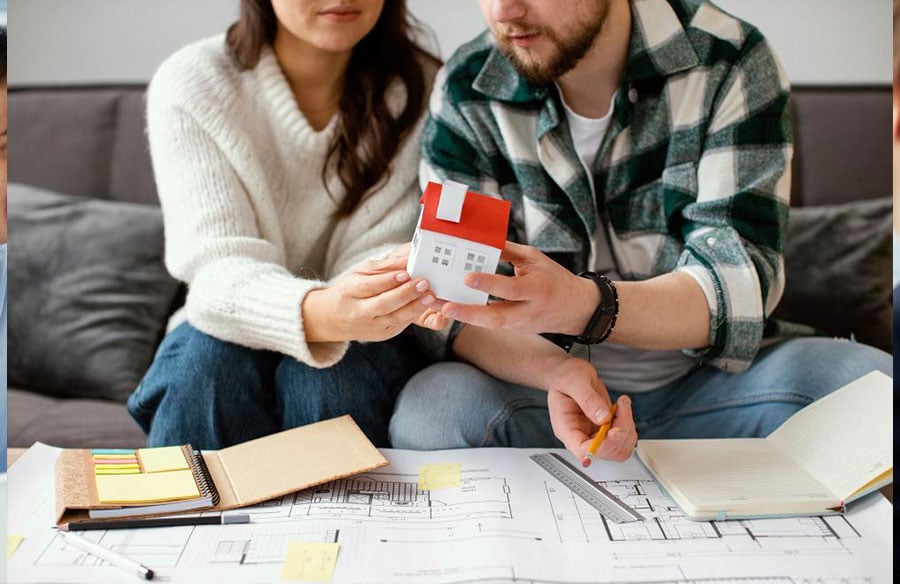
Homebuyers in 2026 desire more than square footage. They look for control, comfort, and long-term value. Custom homes are no longer about luxury alone. They are about flexibility, health, and lifestyle. Buyers are thinking ahead and choosing features that support future needs and daily life. Designers and builders are responding with better technology and smarter layouts. These changes reflect how people work, live, and relax today. Expectations are now higher than before, and design focuses on real-life use.
Smart Home Integration That Feels Natural
Buyers expect smart features to perform quietly in the background. Climate systems and voice-controlled lighting are now standard expectations. Ease of use is what matters in 2026. Systems need to connect without a complex setup. Buyers look for a single app that manages the whole house. Smart locks and security cameras also add peace of mind. Energy monitoring tools help owners reduce waste and track usage. Technology should feel helpful and not overwhelming. Simplicity drives satisfaction, and seamless systems increase daily comfort.
Energy Efficiency and Lower Running Costs
Rising energy costs are shifting buyer choices. Homes with high-efficiency systems attract and engage more interest. Buyers look for solar panels, advanced insulation, and energy-efficient windows. Heat pump systems are also becoming popular for cooling and heating. Smart thermostats help in maintaining comfort while also saving power. Buyers find efficiency as a smart investment and not an upgrade. Long-term savings impact decisions and efficiency supports responsible living.
Flexible Living Spaces for Changing Needs
Modern families want homes that adapt. A single room must serve multiple purposes. Moreover, buyers want spaces that shift from the guest room to the office with ease. Open layouts remain famous, however, with defined zones. Movable partitions and sliding walls add flexibility. This design supports multi-generational living and remote work. Flexibility adds lasting value and reduces the need for future renovations. Adaptable houses stay useful longer, and designs now plan for change.
Health Focused Design and Wellness Features
Health has become the highest priority in home design. Buyers need natural light and clean air. Advanced ventilation systems enhance indoor air quality. Large windows support mood and daylight. Low-emission finishes and non-toxic materials are in demand. Some buyers want built-in fitness areas or even meditation rooms. Wellness features shift houses into personal retreats. Healthy homes boost daily lives, and comfort now includes well-being.
Personalized Design Choices
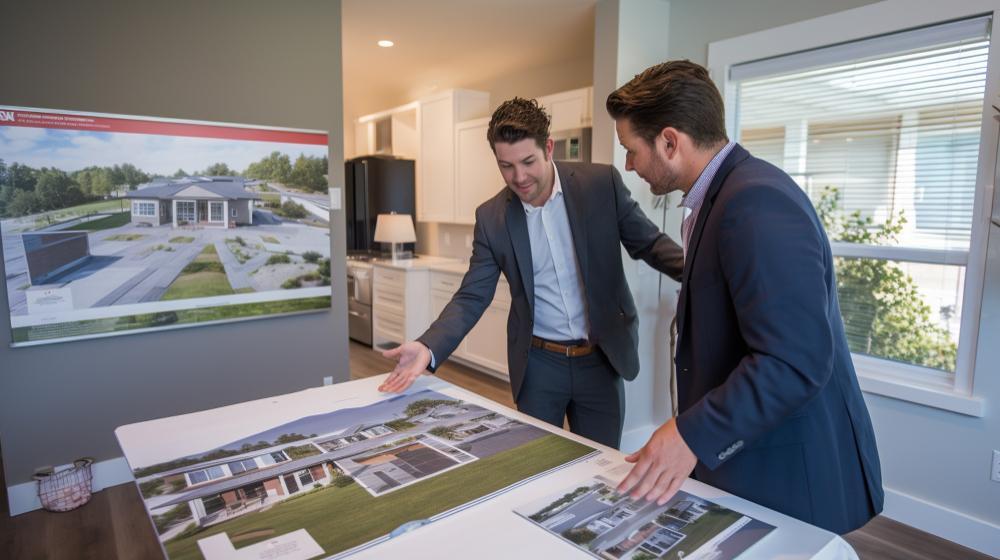 Customization matters more than ever before. Buyers want to have a connection to their home. Choices in finishes, fixtures, and layout support personal style. Builders providing flexible design options remain unique. You can also get a custom design from companies like Monterey Company. Personal touches increase long-term enjoyment and satisfaction. A custom home should reflect the families who live there. Identity shapes design, and personal homes feel meaningful.
Outdoor Living that Extends the Home
Outdoor space is no longer just an afterthought. Buyers look for functional outdoor spaces they can use all year. Covered patios, fire features, and outdoor kitchens are popular. Seamless indoor and outdoor flow adds appeal. Large sliding doors connect the living rooms with the gardens. Privacy features like landscaping matter, and screens also improve the house. Outdoor living supports social time and relaxation at home. Nature becomes a part of the design, and outdoor comfort boosts home value.
Spa-Like Bathrooms for Comfort
Bathrooms are shifting into personal wellness spaces. Buyers want walk-in showers and soaking tubs. Heated floors provide comfort during colder months. Simple layouts with clean finishes feel timeless and calm. Storage is critical for daily use. Soft lighting and natural materials improve the experience. A spa-like bathroom gives an emotional value to the home. Relaxation becomes essential, and design encourages rest.
Strong Focus on Storage Solutions
Clutter-free living is a significant goal. Buyers look for smart storage built into the design. Walk-in closets with personalized shelving are popular. Hidden storage in living spaces keeps the area tidy. Mudrooms help organize daily life. Garage storage systems support tools and hobbies. Good storage boosts function and reduces stress. Order supports peace of mind, and storage planning saves space.
Sustainable Materials and Responsible Building
The future buyers are very much considerate about where materials come from. Durable finishes and sustainable wood recycled materials attract attention. Long-lasting products minimize future replacement needs. Buyers look for homes built with care for the environment. Responsible building adds resale value and also pride of ownership. Sustainability is now a critical part of quality, not a trend. Values impact buying choices, and materials reflect responsibility.
Privacy and Sound Control
With more time spent at home, privacy matters more. Buyers look for sound insulation between rooms. Home offices demand quiet zones for focus. Window placement and landscaping support visual privacy. Thoughtful design minimizes noise from outside. Privacy improves comfort and also supports mental health. Quiet spaces enhance focus, whereas peace improves daily living.
Kitchen Designed for Daily Life
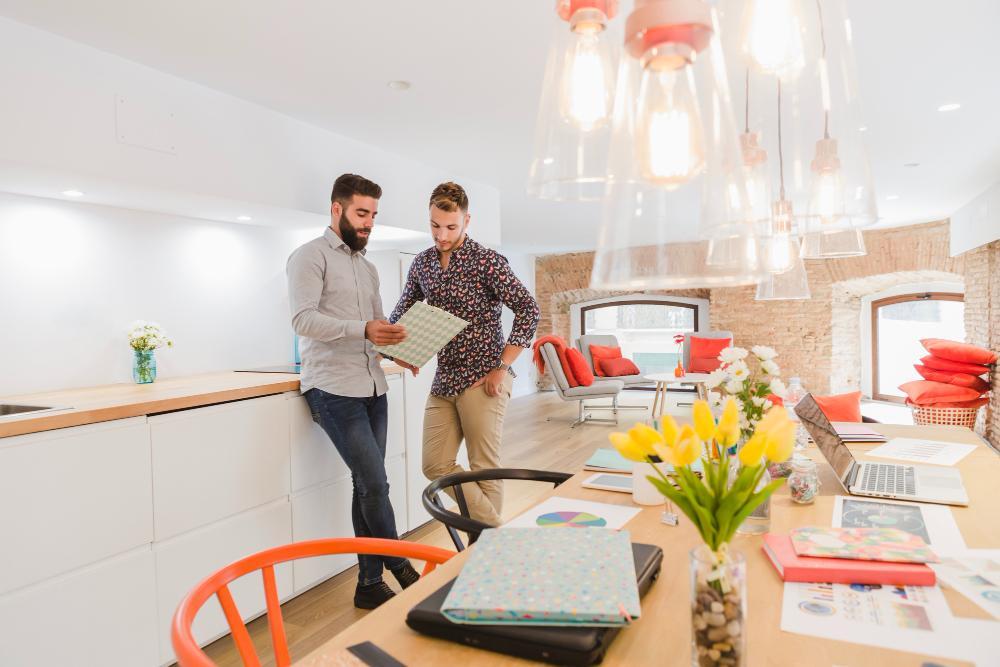 The kitchen remains the central part of the home. Buyers want it to be welcoming and practical. Large islands offer space for gathering and cooking. Walk-in pantries improve organization and storage. Energy-efficient appliances attract eco-conscious buyers. Smart appliances and touchless faucets add convenience. Kitchens need to support shared moments and busy routines. Function shapes layout choices, and comfort supports connection.
Technology-Ready Home Infrastructure
Even buyers who do not often use advanced tech look for homes that are ready. Pre-wired systems enable easy upgrades later. Strong internet coverage throughout the house is crucial. Hidden cables management and charging stations are valued. Technology readiness secures the home for future needs. Buyers look for homes that also evolve with them. Future proofing adds confidence, and flexibility supports growth.
Conclusion
Custom home buyers in 2026 are informed and thoughtful. They want features that support flexibility, health, and comfort. Technology efficiency and wellness form decisions. Buyers look for homes that support real life and adapt to change. Builders who understand these priorities will meet the needs with confidence. Custom homes are becoming calmer, smarter, and more personal. Design now serves lifestyle, and homes reflect future demands.