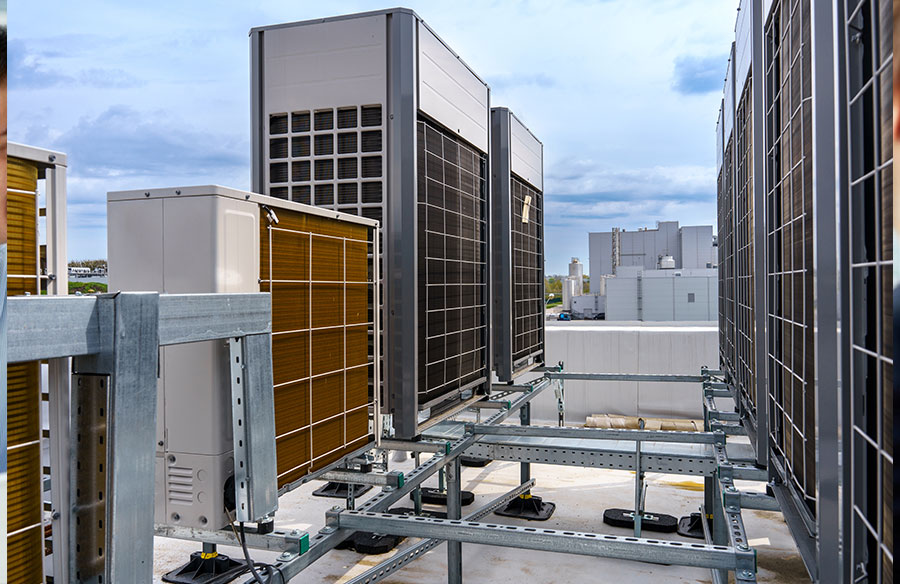
Western Australia has always had a complicated relationship with heat. It’s not just that summers are hot. It’s that the heat lingers, especially in cities. Streets hold warmth. Buildings absorb it. Nights don’t cool the way they used to. Anyone who lives in Perth or nearby urban areas feels this shift, even if they don’t track climate data.
Because of that, cooling systems have quietly become one of the biggest energy users in WA cities. And for a long time, the approach was simple: install bigger systems and run them longer. That worked, but it also created new problems. Higher power demand. Rising costs. More strain on the grid. At some point, it became clear that this wasn’t sustainable.
That’s where AI-optimised HVAC systems enter the picture. Not as a futuristic idea, but as a practical response to how cities actually behave.
Cooling systems like Air Conditioning Perth installations already play a major role in daily comfort. AI simply changes how those systems think and respond.
Why traditional HVAC struggles in WA cities
Most older HVAC systems follow fixed rules. They turn on at set times. They aim for a single temperature. They don’t really care how many people are inside a building or how the sun hits one side more than another.
In Western Australia, that approach breaks down fast.
A city building doesn’t heat evenly. Upper floors hold warmth longer. West-facing rooms cook in the afternoon. Some spaces are empty half the day, yet still fully cooled. The system runs, power is used, but comfort doesn’t always improve.
Over time, this creates waste. Not dramatic waste. Quiet, expensive waste.
What AI actually changes (in simple terms)
AI-driven HVAC systems don’t guess. They observe.
Sensors collect information constantly. Temperature, humidity, airflow, room usage, time of day. At first, the system doesn’t “know” much. But after weeks of operation, patterns emerge.
The system learns things like:
- which rooms heat up fastest
- when people usually arrive and leave
- how outside temperatures affect internal spaces
how long cooling actually needs to run
Once those patterns are clear, the system adjusts automatically. Cooling ramps up slowly instead of suddenly. Unused zones stay inactive. Output changes before discomfort happens, not after.
It feels subtle when you’re inside the building. But on the energy side, the difference is real.
Why this matters for sustainable cities, not just buildings
WA cities are growing. Density is increasing. More apartments, offices, and mixed-use developments mean more cooling demand concentrated in smaller areas.
If every building runs inefficient systems, the city pays the price. Power networks strain during heatwaves. Emissions rise. Infrastructure has to be upgraded just to keep up.
AI-optimised HVAC helps smooth those peaks. When systems run only as hard as they need to, overall demand becomes more stable. That matters during extreme heat events, when power reliability becomes critical.
This isn’t just about saving money. It’s about resilience.
Energy efficiency without sacrificing comfort
One concern people have when they hear “energy efficiency” is comfort loss. Cooler homes. Warmer offices. More compromises.
That fear is understandable, but it doesn’t really apply here.
AI systems don’t reduce comfort by default. In many cases, they improve it. Temperature swings become less noticeable. Hot spots near windows shrink. Systems stop overcorrecting.
Most occupants don’t even realise something has changed. They just notice the space feels more consistent.
Predictive maintenance changes the whole equation
Another quiet benefit of AI-driven HVAC is maintenance.
Traditional systems fail suddenly. A component wears out. Performance drops. Someone notices when the building is already uncomfortable.
AI systems monitor behaviour constantly. When energy use changes slightly, or pressure readings drift, the system flags it. Not as an alarm, but as a warning.
Maintenance teams can step in early. A small fix replaces a major breakdown. Equipment lasts longer. Emergency repairs drop.
For cities trying to reduce waste, this matters more than it sounds.
Integration with renewables and smart grids
Western Australia continues to invest in renewable energy. Solar in particular plays a major role. But renewable supply doesn’t always match demand perfectly.
AI-optimised HVAC systems can respond to this imbalance. They can reduce load during peak grid demand. They can pre-cool buildings when renewable supply is high. They can adjust without human input.
This kind of coordination supports broader sustainability goals without forcing people to change how they live or work.
Challenges that shouldn’t be ignored
AI isn’t magic. Poorly designed systems still perform poorly. Bad sensor placement leads to bad decisions. Lack of oversight creates frustration.
There are also real concerns around transparency and control. Building operators need to understand what the system is doing and why. Blind automation creates mistrust.
The technology works best when it supports human decision-making, not replaces it.
Why WA cities are well suited to this shift
Western Australia’s climate is demanding, but it’s also predictable. Long heat periods. Clear seasonal patterns. Strong sunlight. These conditions actually make AI learning more effective over time.
The more consistent the environment, the better the system becomes at adapting to it.
Cities that invest early gain experience sooner. That knowledge compounds.
Looking forward
Sustainable cities aren’t built on one big change. They’re built on hundreds of smaller ones that work together quietly.
AI-optimised HVAC is one of those changes. It doesn’t change skylines. It doesn’t announce itself. But it reduces waste, improves comfort, and helps cities adapt to a warmer future.
For WA, where cooling isn’t optional, smarter systems aren’t a luxury. They’re part of how cities keep functioning.