A bracelet here, a noisy white-noise box there, maybe a smart bulb that never quite matched the rest of the room. The most interesting sleep tech now burrows into the mattress, walls, and lighting so deeply that it starts to dictate how the whole space is planned.
You design a calm shell and let hidden systems handle temperature, light, sound, and data. The modern “sleep-first” bedroom is less about showing off technology and more about editing the room so the tech can quietly do its work without turning the space into a cockpit.
Smart Beds Turn the Bed Into an Operating System
For many people, the bed is now the operating system of the bedroom rather than just one piece of furniture. Smart mattresses and bases use sensors and machine learning to read your breathing, movement, and temperature, then make micro-adjustments through the night.
From Furniture to Sensor Network
When your mattress tracks movement, heart rate, and breathing without anything on your wrist, you rely less on visible gadgets. The nightstand does not need three different docks, two remotes, and a tangle of cables. You can shrink it, or even replace it with a slim shelf, because the heavy lifting happens under the sheets.
Adjustable Positions Reshape the Layout
AI-driven anti-snore modes, zero-gravity presets, and gentle tilt adjustments turn the bed into a moving object. You need clearance behind the headboard, space at the foot for motion, and rugs that will not bunch up when the base moves. Bulky storage benches, low trunks, or decorative screens at the foot of the bed suddenly feel like obstacles.
Thermal Zoning and the New Bedding Logic
Smart beds that heat or cool each side independently change how you dress the bed. Instead of a mountain of decorative pillows and heavy, matching blankets, you start thinking in layers—breathable fitted sheets, lighter duvets, different top layers for each sleeper. Couples who never agree on temperature finally stop fighting over the thermostat.
Sound, Air, and Scent Systems That Hide in Plain Sight
Modern sleep tech treats your bedroom as an ecosystem: noise, air quality, humidity, and scent all feed into how well you sleep, and scent therapy for sleep becomes far more effective when it is tuned to the same data as your lighting and temperature. The irony is that the more devices you add to manage those variables, the less restful the room feels.
Soundscapes Without Visible Speakers
IAI systems can raise or soften sound based on outside noise or your sleep stage, but you do not need to see any of that hardware. If you plan cable chases and recessed niches when you design the room, you get clean lines and good acoustics at the same time.
Cleaner Air as a Design Requirement
Air purifiers, smart vents, and humidifiers used to be afterthoughts you squeezed into corners. Once they start talking to your sleep data—ramping up when you get restless or when outside air quality dips—they deserve a proper place in the plan.
Built-in shelves with airflow gaps, discreet vents aligned with trim, and dedicated outlets at the right height turn air care into part of the architecture instead of a pile of boxes on the floor.
Scent Rituals Without Gadget Clutter
Wind-down routines increasingly include scent: diffusers that sync with bedtime, mists that trigger automatically when the lights dim, even pillows infused with micro-dosed aromatherapy. Those tools can either turn your dresser into a tech graveyard or disappear into the room.
If you tuck diffusers into wall niches, narrow ledges, or even the headboard, you get the ritual without the clutter. Natural materials—linen, wood, ceramic—help the hardware read as decor rather than devices.
Lighting That Learns Your Rhythm Instead of Blinding You
AI-powered lighting and shade systems watch when you fall asleep, when you wake up, and how often you toss around. Their job is to give you the right light at the right time without you thinking about it. That means the classic ceiling fixture plus two identical lamps formula is slowly being replaced by layers of subtle, adaptive light.
Circadian Profiles Instead of Single-Mode Brightness
Tunable LEDs let you move from cool, bright light in the morning to warm, dim light in the evening without touching a dimmer. When those scenes follow your actual sleep schedule rather than a fixed timer, your room supports your internal clock instead of fighting it.
Controls That Disappear Into the Room
Voice commands, presence sensors, and automation reduce the need for banks of switches. Instead of a wall full of plastic, you can get away with a single sleek keypad or a discreet panel near the door. That frees up vertical space for art, softer textures, or simply more empty wall, which helps the room feel like a retreat instead of a piece of AV equipment.
Night Paths, Not Midnight Spotlights
If motion sensors under the bed trigger a dim floor-level glow when you stand up at 3 a.m., you no longer need a bright lamp or phone flashlight. That one design choice lets you paint the walls in deeper tones, keep the main light off at night, and still move around safely.
The technology literally redraws how you think about circulation in the room: where your feet land, which route you take to the bathroom, and how much light is “enough” when you are half asleep.
Data-Driven Layouts and Quieter Surfaces
You see which nights go badly and what conditions you had that day: screens in bed, bright light late at night, hot air blowing directly on your face. Over time, you adjust the room so that the layout matches what the data keeps telling you.
Rethinking the Nightstand as a Calm Dock
If the bed, lights, and speakers handle most of the work automatically, the nightstand does not have to act as a command center. You can strip it down to a small surface, a single drawer, and maybe a hidden wireless charger. A glass of water, an analog book, a simple lamp—that is often enough.
Separating Screen Zones From Sleep Zones
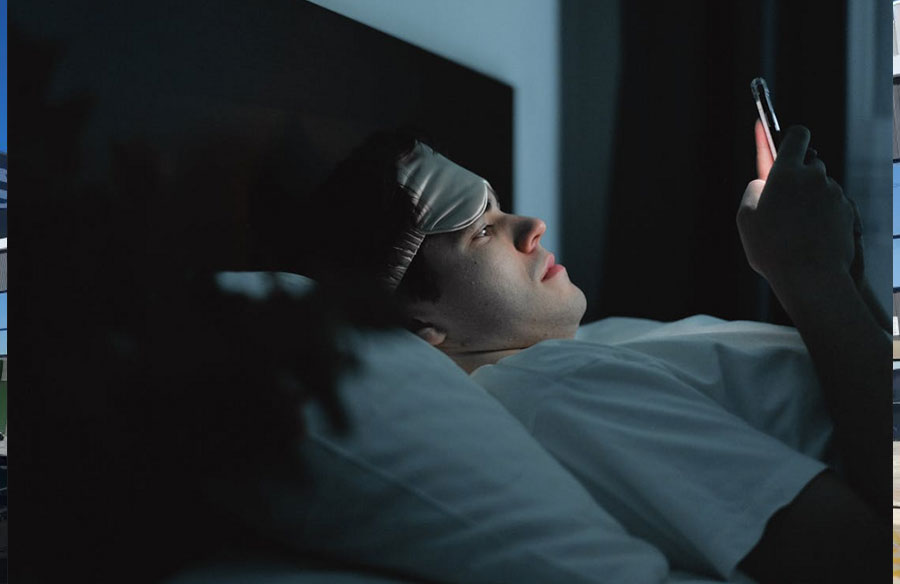
Sleep apps are brutally honest about how badly late-night scrolling treats your nervous system. A desk that once sat at the foot of the bed moves around the corner or into another room. A TV that used to face the pillows gets shifted so you cannot see it when you lie down.
Hiding the Infrastructure: Power and Cables
Every smart object demands power, and power usually means visible cables if you do not plan. When you treat wiring as part of the design instead of an afterthought, you can put outlets behind the headboard, under the bed, and inside closets. Furniture with built-in channels and cable trays under rugs keeps things tidy.
Choosing the Right AI Sleep Stack for Your Space
Smart bed, smart lights, smart speaker, smart curtains—the temptation is to keep going until your cart is full. A better approach is to start with the one thing that ruins your sleep most nights and solve that problem ruthlessly before buying anything else.
Start From the Constraint That Actually Wakes You Up
If you overheat, a cooling mattress and breathable bedding will change your nights more than any soundscape. If your biggest issue is noise, seal the windows properly, add soft surfaces, and then let an adaptive sound system handle the remaining chaos.
If early light wakes you up, invest in automated shades that talk to your alarm so you rise to a gradual glow instead of a shock. You keep costs, gadgets, and visual noise down by targeting one constraint at a time.
Plan for Obsolescence and Privacy
The bed still needs to be comfortable, the lamp still needs to work as a lamp, and the shades still need to open and close without a phone in your hand. Thinking this way pushes you toward devices that also offer local control, exportable data, and clear privacy policies.
Protect the Sanctuary Feel of the Room
There is a real risk of turning your bedroom into a lab, complete with dashboards, charts, and performance anxiety about your sleep score. If you want long-term benefits, let the AI stay in the background. Tuck screens away, avoid wall-mounted graphs, and give yourself at least one corner of the room that feels completely analog.
The most successful AI-enabled bedrooms feel strangely low-tech at first glance: soft fabrics, solid furniture, a small number of objects that all earn their place.
Conclusion
AI-powered sleep devices are changing modern bedroom designs by embedding intelligence into the bed, the light, the air, and the way everything is wired together. When you design the room around that invisible infrastructure, you end up with fewer objects, calmer surfaces, and a layout that quietly supports how your body actually sleeps.
The rooms that age well over the next few years will be the ones where technology serves a clear purpose, stays mostly out of sight, and never overwhelms the feeling of sanctuary. If you let data inform your choices but let comfort and calm set the rules, you get a space that feels deeply human.