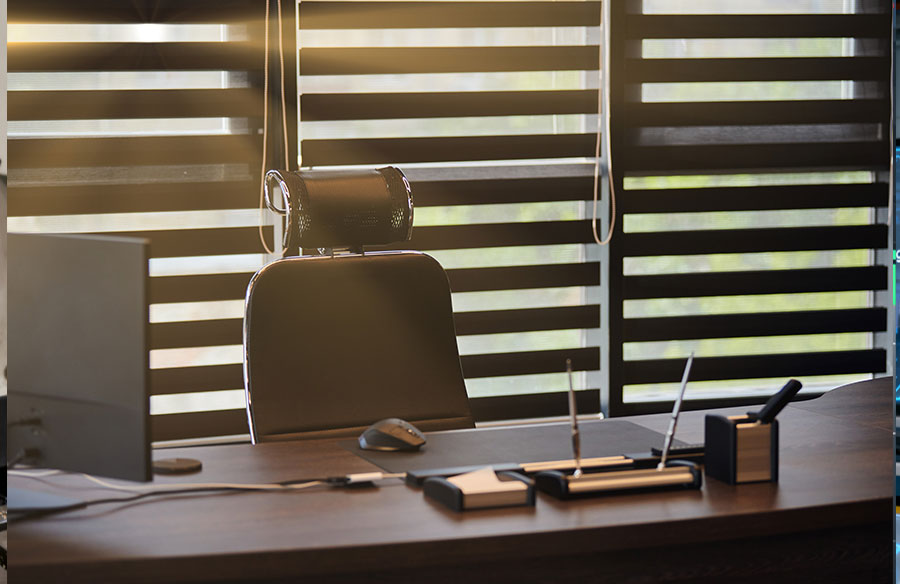
Choosing blinds for commercial spaces affects both the function and style of a building. Every office, school, clinic, or retail space has unique needs, from light control to temperature comfort. The right blinds help maintain a professional image while supporting daily operations. Selecting the proper blinds creates a space that balances appearance, comfort, and practicality.
Smart choices begin with understanding how different blinds influence light, energy efficiency, and privacy. Some materials handle wear better than others, and certain designs fit large or unusual windows more effectively. Thoughtful planning helps businesses create interiors that look good and work well for every purpose.
Assess the specific light control requirements of the commercial space
Each commercial setting needs a different level of light control. Offices may require blinds that reduce glare on screens, while hotels often prefer blackout options for guest comfort. Healthcare or educational environments benefit from fabrics that limit glare but still allow some daylight.
The direction and size of the windows help determine what type of blinds suit the space. South-facing windows may need blackout or dimout fabrics to reduce excess sunlight. North-facing rooms can use lighter materials that let in more natural light.
Durability and safety certifications also matter. In hospitals or care facilities, flame-retardant materials reduce fire risk and meet safety standards. Products such as flame-retardant roller blinds provide reliable light control with added safety and hygiene features, suitable for busy commercial sites.
Choosing blinds for commercial spaces is not just about style. Functional needs, compliance, and user comfort all affect which fabrics and mechanisms best meet the demands of each environment.
Consider the durability and maintenance needs of the blind materials
Durable materials help commercial blinds stand up to frequent use and varied conditions. Aluminium and PVC work well in offices, healthcare sites, and kitchens because they resist moisture and warping. In contrast, real wood adds warmth but may wear faster in humid air.
Fabric blinds suit meeting rooms or hospitality settings where style matters, although they can trap dust more easily. Regular care extends their life, but neglect may quickly dull their look. Faux wood provides a good balance of appearance and strength with fewer maintenance demands.
Maintenance time and cost also influence the best choice. Spaces with many windows benefit from materials that wipe clean with minimal effort. Choosing a finish that resists stains and fading can help keep blinds in good shape for years, reducing long-term replacement expenses.
Evaluate privacy levels needed for different business functions
Each business area has its own privacy needs. Meeting rooms often require higher levels of privacy, as staff discuss confidential matters or client details there. In contrast, reception areas or open-plan offices may need moderate coverage that still allows natural light while maintaining some discretion.
Different departments handle information with varying sensitivity. For example, finance or HR teams often work with personal or financial data and benefit from blinds that block outside visibility. Areas used for creative or collaborative work may prioritise a more open atmosphere, so adjustable blinds work well to balance light and privacy.
It helps to assess how space layout, window position, and external visibility affect privacy. A simple review of which areas expose sensitive activities or data allows businesses to choose suitable blinds for each zone. This approach supports both comfort and compliance with data protection requirements.
Choose custom blinds for uniquely shaped or large windows
Commercial buildings often feature large or unusually shaped windows that standard blinds cannot fit. These windows may look impressive but can also cause glare, heat buildup, and uneven light levels inside the space. Custom blinds give a practical solution that matches the shape and size of each opening.
Made-to-measure blinds suit curved, triangular, or floor-to-ceiling windows without gaps or awkward edges. Precise fitting helps control light more effectively and protects computer screens or display areas from direct sun.
Businesses can also match fabric colours and textures to their interior style. Custom systems often include options for electric or manual operation, which adds flexibility in busy environments. As a result, companies maintain comfort, privacy, and a consistent look across offices or meeting areas.
Factor in energy efficiency and temperature regulation benefits
Blinds play a key role in controlling how heat and light move through a building. They can help reduce the need for constant heating or cooling, which leads to lower energy use and more stable indoor comfort. Properly fitted blinds also block glare from direct sunlight, which improves visibility in work areas.
Thermal or layered blinds can add insulation by creating a barrier between the window glass and the room air. This helps retain warmth during colder months and keep out heat during the summer. As a result, offices stay more comfortable without heavy reliance on air conditioning or heaters.
Different materials affect how well blinds perform. Thicker fabrics or cellular structures tend to reduce heat loss more than lighter styles. Therefore, the choice of material and colour can influence both energy savings and room comfort. Well-chosen blinds can support a balanced indoor environment that benefits both employees and operating costs.
Conclusion
Selecting blinds for a commercial space requires a balance between style, comfort, and practicality. The right choice supports productivity while maintaining a pleasant environment for staff and visitors. Each space demands attention to unique needs such as privacy, light control, safety, and energy performance.
It helps to assess how natural light enters the space throughout the day and how that affects glare and heat. Durable materials and easy maintenance save time and cost over the long term. Custom-fit solutions can also provide better results for non‑standard windows.
A thoughtful selection process leads to a workspace that looks professional and functions well. With careful planning and awareness of daily use, businesses can invest in blinds that truly meet their purpose.