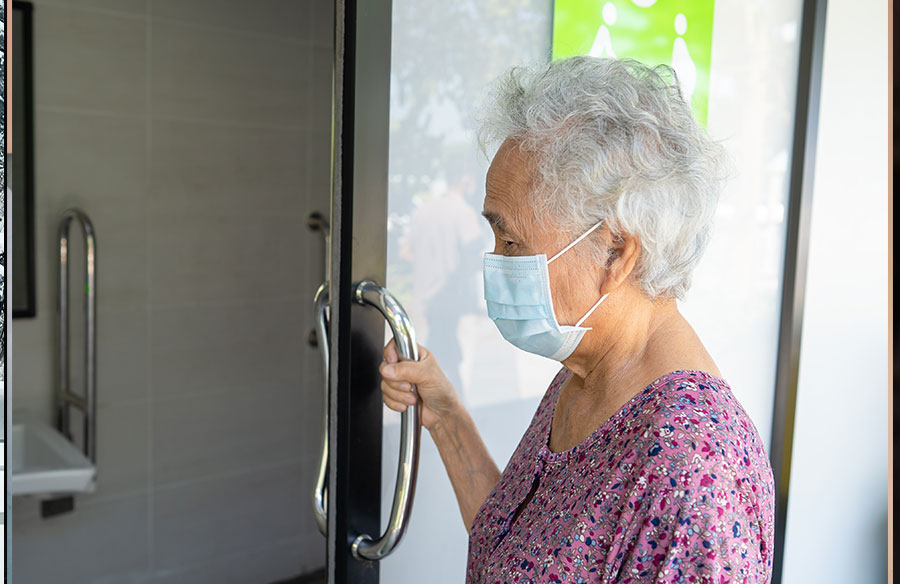
Aging at home shouldn’t feel like a death trap. Many seniors want to stay in the comfort of their own homes, surrounded by possessions they’ve accrued through life and a routine that actually makes sense to them. But the problem is, a house that functions perfectly for years, suddenly becomes dangerous when balance is off and bodies don’t respond as quickly as they used to.
Making a home safe doesn’t mean transforming it into a sad medical facility with rails everywhere and padded walls. Instead, it’s about being intentional with modifications, understanding where real danger lies and having a plan in place when disaster strikes. Because it will strike at some point, it’s part of aging.
The Bathroom is Where Most of the Danger Exists
Ask anyone in emergency medicine where seniors injure themselves most and they’ll all have the same response: the bathroom. Between slippery surfaces, hard exteriors, toilet transfers, and tub entries/exist, it’s a perfect storm for bad conditions.
Grab bars are essential, and there should be a minimum of three: one beside the toilet, one in the shower/tub, and one near the bathroom door. And not those suction cup ones from the corner pharmacy, when someone really needs help, those things fall off. Real grab bars are properly mounted into wall studs.
A shower seat is a game changer for anyone who gets dizzy standing for long periods or who feels unsteady on their feet. No one should have to hold on for dear life to the wall just to wash their hair. Throw down non-slip mats wherever water will meet the floor, and that bath mat at the exit needs rubber backing, not to slide across the floor.
And something most people forget? Nighttime lighting, a motion sensor night light prevents a half-asleep fall to the bathroom at 3 AM when no one is capable of being careful awake.
The Kitchen is Deceivingly Dangerous
Cooking is much more dangerous than anticipated when someone has arthritis, balance issues or general slowness that comes with aging. Reaching for that top-shelf pot of pasta, managing multiple burners at once, displacing heavy pans, ordinary tasks now have consequences.
Anything regularly used should be kept between waist height and eye level. If someone has to go searching for something at the bottom of the shelf or pulling out a step stool to reach the back corner, it’s in the wrong location. Pull-out shelves and lazy Susans are much better than deep cabinets with items that go missing at the back.
Stoves with automatic shut-off features are worth exploring. Stoves work with older adults just fine, but every now and again, someone forgets a burner. A younger adult may catch it before their dinner burns down their home, but an older adult may not be so fortunate.
Flooring matters, too, decorative throw rugs serve little purpose except to cause tripping hazards. Even standard tile can be slippery when wet, non-slip surfaces take precedence over aesthetic appeal.
When Prevention Fails, Emergency Systems Are in Place
No matter how many preventative measures are taken, sometimes, disaster occurs. And having a backup plan in place saves someone’s life versus calling time of death. Technology aimed at providing assistance while at home is pretty solid over recent years with reliable systems for those unable to speak or move much.
The best systems to have at home involve wearable buttons connecting to monitoring centers with real people 24/7. This means that if someone presses the button, help comes without needing them to access a phone or articulate what happened. For seniors who stay at home primarily, Life Assure at home medical alert systems support this exact notion, easy access to emergency services without fumbling through phones or figuring out numbers when in distress.
The catch with these systems is simple: they only work if someone actively wears them. A device sitting on the dresser does no good when falling occurs in the kitchen. Waterproof devices are smarter so they can remain on in the shower because that’s where falling is most likely to occur.
Good Lighting Prevents More Falls Than Anything Else
Bad lighting accounts for so many falls that never had to happen. Dim stairways, shadowy hallways at night, rooms in which the flooring cannot be viewed, these all turn familiar environments into obstacle courses.
Stairs need light switches on both ends, going up or down stairs in the dark is simply unsafe but people do it all the time out of convenience when fumbling for a switch feels more exhausting than just going without light. Motion sensors solve this easily for those using particular stairs regularly.
Hallways need to be bright enough to see everything at one’s feet without squinting. Those tiny night lights do not get the job done, they help slightly but not significantly enough to make a difference. Overhead lights or wall fixtures are what makes an impact.
Lamps need to be accessible without having to reach across furniture or lean awkwardly. If someone feels it’s too difficult or unsafe to turn on a light, they leave it off and hope for the best.
Actual Clear Pathways Not Sort of Clear Pathways
Clutter on floors is dangerous, plain and simple. Shoes kicked off by the couch, magazines piled haphazardly, charging cords ran across walkways, all of this trips people either unsuspected or not able to respond quickly enough.
Main pathways throughout a house need to be completely clear; if furniture creates a narrow squeeze space that requires intentional maneuverability, it’s in the wrong spot. It’s super easy to trip over an object that’s not apparent, especially in dim settings or nighttime.
Stairs require added paranoia, nothing belongs on a staircase, not even momentarily. That item someone intends on taking upstairs eventually becomes invisible to the person going down.
Cords need to run along the baseboards, not across open spaces where people walk. Power strips are better placed where items actually plug in instead of crossing rooms entirely.
Setting Up the Bedroom for Nighttime Complications
More emergencies happen overnight than people realize, mainly because everyone is tired, disoriented and not operating with full faculties. The bedroom needs to accommodate these realities.
Bed height is oddly crucial, no one should struggle getting into bed or exerting effort getting out. When sitting on the edge of bed, someone’s feet should flatly rest upon the ground. If not, bed risers exist for this very problem.
The path from bed to bathroom needs to be well lit, motion sensor lights prevent that dangerous half-asleep stroll through a darkened room to get somewhere no one should even be going like that in the first place. Some people think they are excessive until they actually use them for one week.
A phone should exist next to one’s bed, but in an emergency, in which someone fell or is suffering from chest pain, grabbing a phone and dailing might not be realistic. This is precisely why wearable emergency buttons exist; they work when everything else becomes too challenging.
Regular Check-Ups Ensure Minor Problems Don’t Become Major Ones
Home safety isn’t something you set up once and forget about it forever. Things shift around; rugs bunch, batteries die; grab bars loosen; bulbs fade. Taking a walk through the house once a month helps assess whether problems have arisen that are fixable.
Test grab bars by actually pulling them with weight; walk around and assess any new tripping hazards that grew overnight; ensure emergency systems still work; replace bulbs that have dimmed before they cease all together.
It’s not overly cautious, it’s called maintenance. Just like checking smoke detectors or changing air filters, these little details prevent larger headaches down the road.
It’s Easy to Implement Without Overwhelming Everyone
No one has to implement all of this over one weekend. Start with the bathroom since that’s where most incidents occur; add some sort of emergency responding system since that’s the fail-safe in case all else goes wrong; then work through lighting improvements and clearing pathways; other changes will chip away at daily dangers.
The point isn’t perfection, it’s impossible; it’s about reducing hazards so seniors can stay comfortably in their homes longer, with real safety nets should anything go wrong. It’s finding that balance between safety and living normally that determines how successful aging-at-home initiatives go without forced transition into assisted living arrangements before anyone has even had that conversation yet.