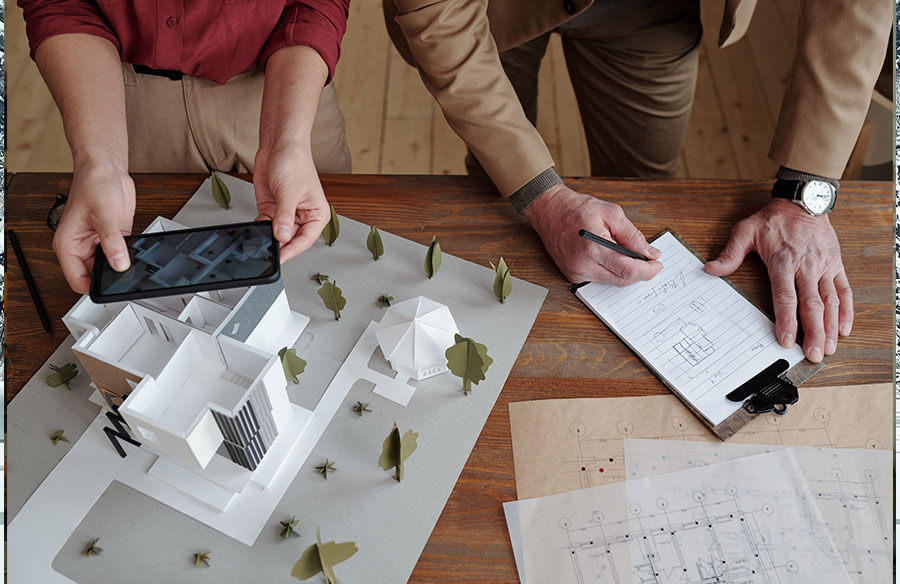
Modern architecture firms are experiencing a shift driven by digital transformation. This change is reshaping how firms operate and engage with clients. By integrating digital strategies, architecture firms can enhance efficiency and expand their market reach.
The architecture industry is undergoing significant changes as digital innovations become integral to its evolution. These transformations offer opportunities for firms to modernize operations and engage more effectively with clients. As architecture firms adapt, they must embrace digital strategies to maintain their competitive edge. Incorporating tools like SEO services can streamline processes and improve client interactions.
The Necessity of Digital Transformation in Architecture
Traditional architecture firms face challenges in today’s fast-paced environment. The demand for quicker project turnarounds, sustainable designs and innovative solutions requires firms to rethink their operational models. Digital transformation provides a pathway to meet these demands efficiently. By adopting technology-driven processes, firms can optimize workflow, enhance project management and improve client satisfaction.
Embracing digital strategies is crucial for staying competitive in the architectural arena. As clients become more tech-savvy, they expect seamless digital interactions throughout the design process. Firms that integrate technologies such as virtual reality, 3D modeling and online collaboration tools can offer more engaging client experiences. These technologies not only streamline communication but also foster transparency and trust between architects and their clients.
The integration of cloud-based platforms has revolutionized how architectural teams collaborate across different locations and time zones. These platforms enable real-time document sharing, version control and simultaneous editing capabilities that were impossible with traditional methods. By eliminating geographical barriers, architecture firms can now assemble diverse teams of specialists for each project, drawing talent from global pools rather than being limited to local resources. This collaborative approach not only enhances the quality of design outcomes but also reduces operational costs associated with physical office spaces and travel expenses.
Data-driven decision-making has become a cornerstone of successful digital transformation in architecture firms. By leveraging analytics and performance metrics, firms can identify bottlenecks in their workflows, track project profitability and make informed strategic decisions about resource allocation. Digital tools enable the collection and analysis of vast amounts of project data, from time tracking and budget management to client feedback and design iteration cycles. This wealth of information empowers firm leaders to optimize operations, predict project outcomes more accurately and identify opportunities for growth. Furthermore, data analytics can reveal patterns in client preferences and market trends, allowing firms to position themselves strategically and develop services that meet emerging demands in the architectural marketplace.
Effective Digital Strategies for Architectural Success
Architecture firms can benefit significantly from implementing key digital strategies tailored to their unique needs. Online presence is paramount; an informative website with a strong portfolio helps attract potential clients. Additionally, utilizing social media platforms effectively enhances visibility and brand recognition within the industry. Engaging content that showcases expertise in design trends and innovation can draw in new audiences.
Incorporating advanced project management software is another vital strategy for modern architecture practices. These tools facilitate better coordination among team members, allowing for real-time updates and adjustments during the design process. Automation tools can also play a significant role in reducing repetitive tasks, freeing up time for creative pursuits. By leveraging these digital assets, firms can optimize productivity while maintaining high standards of creativity and design quality.
Search engine optimization and digital marketing strategies have become indispensable for architecture firms seeking to expand their client base in competitive markets. By optimizing website content with relevant keywords, creating valuable blog posts about design trends and maintaining active profiles on professional networks, firms can significantly increase their online visibility. Email marketing campaigns that showcase recent projects and industry insights help maintain relationships with existing clients while nurturing potential leads. Analytics tools provide valuable data on user behavior and campaign performance, enabling firms to refine their digital strategies continuously and allocate marketing resources more effectively to channels that deliver the highest return on investment.
In an increasingly competitive digital landscape, architecture firms are recognising that strong online visibility is no longer optional but foundational to sustainable growth. Insights from Magoom, a marketing agency specialising in B2B digital strategies, show that firms embracing data-driven SEO, structured content systems and consistent thought leadership outperform their competitors in lead acquisition and client engagement. According to Vytautas Majauskas, Marketing Strategist at Magoom and a former architect: “Based on our implemented research across EU service industries, the firms that grow fastest are the ones that treat digital visibility as an operational capability -not a marketing add-on.” Applying measurable SEO practices, maintaining a technically sound website and building topical authority around design expertise enables architecture companies to attract higher-intent clients while strengthening long-term trust with both users and algorithms.
Future Trends Shaping Digital Architecture Innovations
The future of architecture lies in continued digital innovation, with trends pointing towards further integration of artificial intelligence (AI) and machine learning into design processes. AI-powered tools can assist architects in generating optimized designs based on specific criteria like sustainability or cost-efficiency. These advancements promise a more efficient design process that caters directly to evolving client needs.
As architectural technology progresses, virtual reality (VR) will likely play a bigger role in client presentations and conceptual walkthroughs. VR offers immersive experiences that help clients visualize completed projects before construction begins, fostering better decision-making and satisfaction. With these technologies becoming increasingly accessible, architecture firms stand on the brink of a transformative era where creativity meets cutting-edge technology for unparalleled results.
Parametric design and generative algorithms are emerging as powerful tools that enable architects to explore thousands of design variations within minutes, optimizing for multiple variables simultaneously. These computational design methods allow for the creation of complex, organic forms that would be nearly impossible to conceive through traditional drafting techniques. Building Information Modeling (BIM) continues to evolve, incorporating Internet of Things (IoT) sensors and data analytics to create smart buildings that adapt to occupant needs and environmental conditions.
As sustainability becomes increasingly critical, digital tools that simulate energy performance, daylighting and material lifecycle impacts will become standard practice, helping architects design structures that minimize environmental footprint while maximizing occupant comfort and operational efficiency.