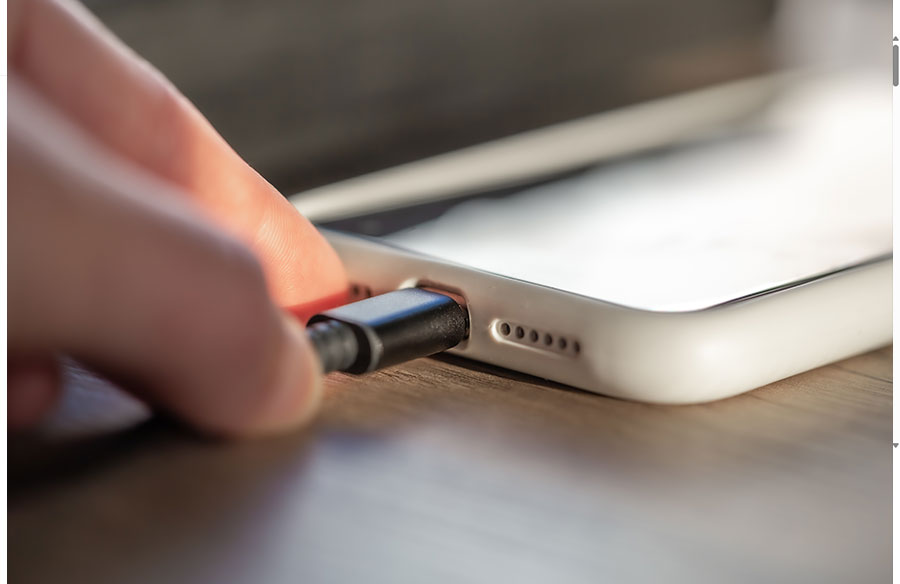
Regular charging cables break easily, wear out fast, and tangle into messy knots. 360 magnetic charging cables solve these problems with a rotating connector that snaps into place, lasts longer than traditional cables, and works with multiple devices at once. Many users now rely on magnetic charging solutions for convenience and durability, including the 360 magnetic charging cable from Statik, as well as USB-C, Lightning, and Micro-USB magnetic cables from other brands, to replace traditional cords and reduce wear on device ports.
These cables use magnets to connect instead of forcing a plug into a port. The connector rotates a full 360 degrees, which means users can charge their devices at any angle without stress on the port. Traditional cables fray at the connection point after months of use, but magnetic versions reduce this wear because they attach and detach without friction or force.
People who switch to magnetic cables often find they need fewer replacements over time. The magnetic tip stays in the device port, and the cable simply clicks on for power. This design protects both the cable and the device from damage caused by tripping over cords or pulling on connections. Five key advantages make these cables worth the upgrade from standard options.
Key Takeaways
- Magnetic charging cables last longer because they connect without port friction or forced insertion
- The 360-degree rotation allows flexible angles for use and prevents cable damage from bending
- One magnetic tip stays in your device while different cables attach for multiple charging needs
Why Upgrade: The Core Advantages of 360 Magnetic Charging Cables
360 magnetic charging cables solve common problems with standard cables through their unique design. They protect device ports from damage, work with one hand, last longer than traditional options, and support modern power needs.
Seamless Convenience and Effortless One-Handed Charging
Magnetic connectors attach automatically with a simple approach to the device. The cable snaps into place without the need to fumble with port alignment or flip the connector multiple times. This design allows users to charge their devices with just one hand, which proves particularly useful in cars, at bedside tables, or while users hold other items.
The 360-degree rotation feature adds another layer of convenience. The magnetic head swivels freely, so users can hold their phones at any angle without cable strain. This matters for people who use their devices while they charge, whether for video calls, games, or reading.
Breakaway safety protects devices from sudden pulls or trips over cables. The magnetic connection separates cleanly before it can yank a device off a surface or damage the charging port. Traditional cables stay plugged in and often drag devices down or bend ports. The magnetic design prevents these accidents through its quick-release mechanism.
Maximum Port Protection and Reduced Wear and Tear
Traditional charging cables create wear and tear through repeated insertion and removal. Each time someone plugs in a cable, it puts stress on the charging port. Over time, this stress loosens the port, damages internal connections, or breaks delicate pins. Port repairs often cost more than the device’s remaining value.
Magnetic charging cables eliminate this problem. A small magnetic tip stays in the charging port permanently. Users connect the cable to this tip instead of the port itself. The port never experiences the friction and force of cable insertion again.
The magnetic connection uses neodymium magnets that create a strong hold without physical pressure on the port. These magnets align the connection automatically and hold the cable securely during normal use. However, they release immediately under excessive force, which adds another layer of protection.
Devices with USB-C, Lightning, or Micro USB ports all benefit from this protection. Users can insert a compatible magnetic tip once and leave it in place for months. The reduction in port contact extends the device’s lifespan and prevents common charging problems that develop over time.
Superior Durability and Longevity
Magnetic charging cables outlast standard cables through better materials and design. Most quality magnetic cables feature braided nylon exteriors that resist fraying, cuts, and tangles. Traditional rubber-coated cables crack and split at stress points, especially near the connector ends.
The magnetic connection point experiences less mechanical stress. Standard cables bend sharply where they enter the device, which weakens internal wires over time. Magnetic cables connect at various angles through their rotating heads, so they distribute stress more evenly.
The magnetic tips themselves handle thousands of connections without degradation. Traditional cable connectors wear down their metal contacts through repeated use. The magnetic system maintains consistent contact quality because the connection happens through magnetic force rather than friction. Users replace these cables far less often, which saves money and reduces electronic waste.
Enhanced Charging Speed and Power Delivery
Modern magnetic charging cables support fast charging and power delivery standards. Quality options transfer power at rates comparable to traditional cables, with many supporting high-speed charging up to 100W for devices that need it.
The magnetic connector design does not inherently limit charging speed. The cable’s internal wiring, the magnetic tip’s pin configuration, and the quality of materials determine the actual charging rate. Users should verify that their chosen magnetic cable supports the power levels their devices require.
USB-C magnetic cables can deliver enough power for laptops and tablets. Lightning compatible tips support standard iPhone charging speeds. Micro USB options work well for older devices and accessories. The magnetic connection maintains stable power transfer as long as users keep the magnetic surfaces clean and free from debris.
Some magnetic cables include LED indicators that show active charging status. This feature helps users confirm proper connection without checking their device screen. The combination of convenient attachment and reliable power transfer makes magnetic cables practical for daily use across multiple devices.
Versatility, Compatibility, and Performance Benefits
Magnetic charging cables offer universal device compatibility through interchangeable tips, support various data transfer speeds, and include safety features that protect consumer electronics from common power-related damage.
Universal Compatibility and Interchangeable Tips
Universal magnetic cables solve the problem of owning multiple chargers for different devices. These cables come with interchangeable tips that fit various connection types, including USB-C, Lightning, and micro-USB ports. Users can switch between tips based on which device they need to charge.
Most magnetic adapters stay in the device’s port at all times. The magnetic tip then connects to the adapter for quick and easy access. This design works well for people who own smartphones, tablets, laptops, and other consumer electronics from different manufacturers.
A single magnetic charging cable can replace three or four traditional cables. The magnetic tip snaps into place with the adapter, which creates a secure connection. Furthermore, gold-plated connectors in quality magnetic chargers help prevent corrosion and maintain stable connections over time.
Device compatibility extends across major brands and models. However, users should verify that the magnetic adapter fits their specific device before purchase. Some magnetic tip sets include up to three different connector types in one package.
Data Transfer and Data Syncing Capabilities
Many magnetic chargers support both power delivery and data transfer functions. The data transfer speeds vary by cable model, with some options limited to basic file transfers while others support USB 3.0 standards.
Basic magnetic cables handle data syncing at slower speeds suitable for occasional file transfers. In contrast, advanced models deliver data transfer speeds up to 480 Mbps or higher. Users who need to sync large files regularly should look for cables that specifically mention USB 3.0 support or faster standards.
The magnetic connection can affect data transfer performance if the connection is weak or unstable. Therefore, cables with strong magnets and secure attachments provide better results for data syncing tasks. Some magnetic charging cable designs focus solely on power delivery and do not support data transfer at all.
Gold-plated connectors improve the quality of both power delivery and data transmission. These connectors resist wear and maintain consistent performance over many connection cycles.
Safety and Device Protection Features
Magnetic chargers protect devices from physical damage through their quick-release design. The magnetic connection detaches immediately if someone trips over the cable or pulls it accidentally. This feature prevents damage to device ports that traditional cables might cause in similar situations.
Built-in safety features in quality magnetic adapters protect against overheating, overcharging, and short circuits. These protections extend the life of both the cable and the connected device. The magnetic charging cable design reduces port wear because users don’t need to insert and remove connectors repeatedly.
The magnetic adapter stays in the port and experiences minimal movement. As a result, device charging ports last longer compared to ports that see daily plug-and-unplug cycles. Additionally, the magnetic connection keeps out dust and debris better than open ports.
Some magnetic tip designs include LED indicators that show connection status and power flow. This visual feedback helps users confirm their device is connected properly and receives power as expected.
Conclusion
360 magnetic cables offer clear benefits for everyday device users. They reduce wear on device ports, simplify the process to charge devices with one hand, and work across multiple device types with different tips. However, they may charge slower than traditional cables and cost more upfront.
The choice depends on individual needs and priorities. Users who value convenience and want to protect their device ports will find these cables worth the investment. Those who need the fastest possible speeds or want to save money might prefer to stick with standard cables for now.