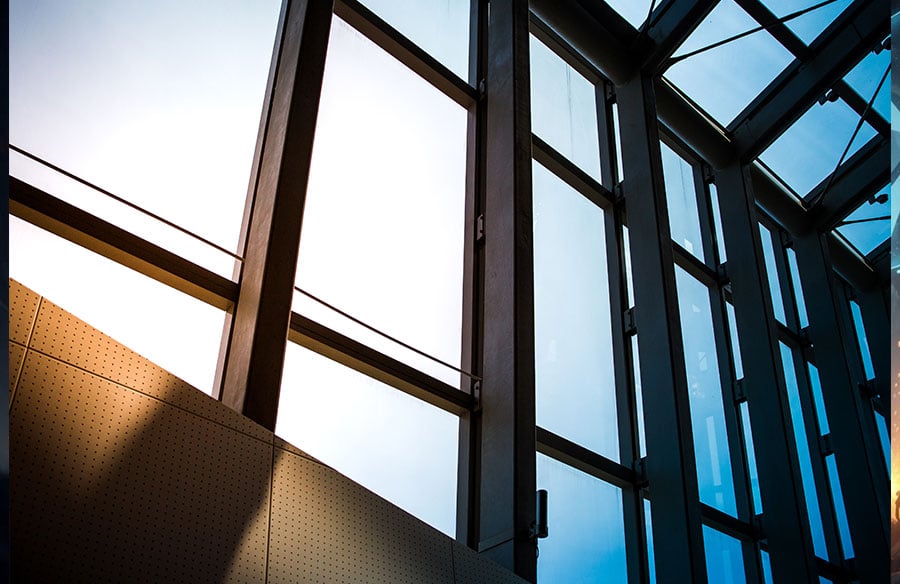
Windows have always been the visual punctuation of a building—openings that frame a view, shape a room, and draw daylight into interior spaces. But as the demands of sustainability reshape architecture worldwide, windows are stepping into a far more influential role.
In 2026, high-performance window systems are no longer optional upgrades; they are central components of efficient building envelopes, climate-responsive design strategies, and occupant well-being.
For architects, the challenge is evolving. Designing with windows today isn’t only about aesthetics or “letting in light.” It’s about choosing materials, coatings, and construction methods that respond intelligently to climate patterns, reduce energy loss, and support healthier indoor environments. This shift is redefining how buildings look—and how they perform.
Windows as Engines of Energy Efficiency
In traditional construction, windows were one of the most vulnerable points in the thermal envelope. Even as walls grew thicker and insulation improved, windows often lagged behind, allowing heat to escape in winter and infiltrate during summer.
Modern window technology has changed this equation dramatically.
1. Low-E Coatings and Solar Control Films
Low-emissivity coatings are now standard in high-efficiency architecture. These microscopically thin layers reflect infrared radiation while still allowing visible light through. The result is a more comfortable indoor environment with significantly reduced reliance on mechanical heating and cooling.
Next-generation solar control films go a step further. They selectively filter out portions of the light spectrum, reducing glare and preventing hotspots without compromising brightness. For commercial buildings with large glass facades, these coatings are essential to controlling solar heat gain.
2. Thermal Breaks and Advanced Frameworks
Aluminum window frames remain popular because of their strength and sleek appearance, but aluminum alone transfers heat easily. The introduction of high-performance thermal breaks—insulating barriers integrated into frame systems—has allowed architects to maintain the clean lines of metal windows while minimizing conductive heat loss.
Composite and fiberglass frames are also gaining traction. They expand and contract very little with temperature changes, which increases airtightness and long-term durability.
3. Multi-Pane Construction and Gas Fills
Triple-pane windows, once reserved for extreme climates, are becoming mainstream in sustainable design. When paired with krypton or argon gas fills and warm-edge spacers, these systems dramatically improve thermal resistance.
For architects designing net-zero or passive buildings, multi-pane systems often become the backbone of the envelope strategy.
Natural Light as a Passive Design Tool
Energy efficiency isn’t just about preventing heat loss—it’s also about designing spaces that work with natural forces. Smart window placement helps reduce the need for artificial lighting, which remains a significant contributor to a building’s energy load.
- South-facing glazing allows for passive solar gain in colder climates.
- North-facing windows create consistent, diffused light that’s ideal for workspaces and galleries.
- Operable windows support cross-ventilation, reducing mechanical cooling loads.
Skylights and clerestory windows are also returning as prominent elements in modern architecture, especially when integrated with responsive shading systems.
The Role of High-Quality Window Installation
Even the most advanced window system fails without proper installation. Airtightness, precise sealing, and correct integration with the wall assembly are vital to preventing thermal bridging and moisture intrusion.
In 2026, many architectural teams are shifting toward specialized window installers and manufacturers who understand the complexity of high-performance windows.
This alignment between design and execution is essential as building codes tighten and sustainability targets increase across the construction industry.
Material Innovation Driving the Future
Architects today have access to a growing palette of experimental and highly engineered materials for window systems:
- Electrochromic glass, which tints automatically in response to sunlight
- Vacuum-insulated glazing, combining thin profiles with exceptional insulation
- Aerogel-filled panels, offering lightweight transparency and excellent thermal properties
- Transparent photovoltaics, turning windows into passive energy generators
These technologies are transforming what windows can do. They are no longer static elements; they are dynamic components that adapt to conditions and contribute actively to building efficiency.
Redefining Sustainable Architecture From the Inside Out
As the built world moves toward lower emissions, stricter energy performance targets, and more resilient building strategies, windows will continue to evolve from decorative features to integral environmental systems. Whether used in residential designs that prioritize comfort or commercial projects seeking to reduce operational costs, the modern window is becoming a sophisticated component of sustainable architecture.
Designers are rethinking the relationship between buildings and sunlight, between interior comfort and exterior climate, and between beauty and performance. And at the heart of these innovations lies a deceptively simple idea: that transparency and efficiency can coexist.
With thoughtful material selection, smart placement, and expert installation, tomorrow’s windows will do far more than frame a view—they will help shape the future of sustainable architecture.