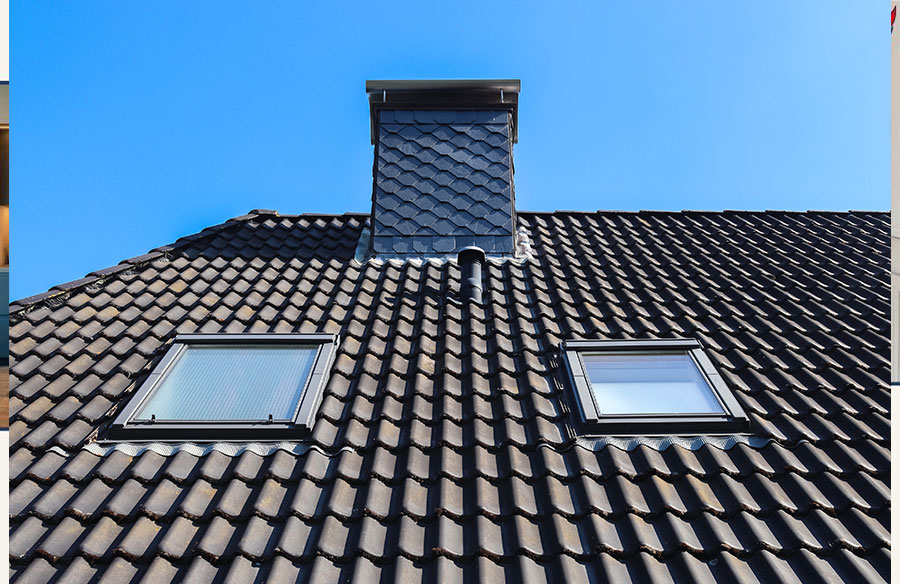
When you’re standing on your roof looking at loose tiles or water damage creeping into your loft, the choice of replacement material suddenly feels very real. Slate and clay have been protecting Norwich homes for centuries, yet they’re fundamentally different materials with distinct advantages and drawbacks. Your decision isn’t just about aesthetics, it’s about cost, durability, maintenance, and whether the material actually suits your property’s structure and your climate.
Here’s the thing: most of us don’t think about our roofs until something goes wrong. By then, you’re often making decisions quickly, without proper information. That’s when mistakes happen. You end up choosing based on whatever your mate down the road used, or because someone’s quoted you a price that seems reasonable, without understanding what you’re actually signing up for.
Why Norwich Properties Need Specific Consideration
Norwich’s climate is genuinely challenging for roofing materials. You’re dealing with frequent rain, the kind that doesn’t just come straight down but drives horizontally when the wind picks up. If you’re near the coast, there’s salt in the air that corrodes certain materials. And then there’s the wind itself. Norwich sees some serious gusts, especially in winter, and poor workmanship shows itself pretty quickly under those conditions.
The architectural heritage of Norwich matters too. If you live in a Victorian terraced house, a Georgian cottage, or a mid-century semi, the “right” material often depends on what was there originally. Walk down your street and look at the roofs around you—what do your neighbours have? This isn’t about keeping up appearances, though that matters for resale. It’s about practical climate adaptation. Materials that have been protecting similar properties in your area for decades generally work because they’re proven.
Conservation areas in Norwich have specific guidelines about what you can use. Even outside these areas, choosing materials that match your street’s character affects resale value in real, measurable ways. Estate agents understand this intuitively, a property that looks cared for, where materials suit the building’s age and style, sells more confidently.
Understanding Slate Tiles
Slate is natural stone, usually extracted from quarries in Wales, Cornwall, or increasingly from overseas. When you touch slate, you’re touching something that’s millions of years old. It’s dense, genuinely hard, and feels almost intimidating in its permanence.
What slate actually offers:
The lifespan is genuinely impressive. A properly installed slate roof can last 80 to 150 years, sometimes longer. That’s two or three mortgages worth of protection. In Norwich, you’ll find Victorian properties still sporting their original slate, often in pristine condition. Walk past some of these properties and the slate looks virtually unchanged from when it was installed. This longevity means fewer re-roofing projects in your lifetime, which appeals to homeowners who want to genuinely solve the problem once rather than patching it repeatedly.
Slate has exceptional weather resistance. It sheds water effectively, handles freeze-thaw cycles well, and doesn’t deteriorate from coastal salt spray the way some materials do. The density of slate means it’s essentially impervious, water can’t penetrate it over time. You’re not relying on sealants or treatments that wear away. It just sits there, being slate.
The aesthetic quality is undeniable. Slate creates a refined, premium appearance. In Norwich’s conservation areas and period properties, slate looks contextually appropriate. It weathers beautifully, developing character rather than just looking old and tired. There’s something satisfying about a property with a slate roof, it says “this place is looked after properly.”
The real complications:
Cost is substantial. Slate tiles run £600–£1,200 per square metre installed, depending on the grade and where it’s sourced. For a typical Norwich semi-detached house with a 100 square metre roof, you’re looking at £60,000–£120,000. That’s a significant investment. To put it in perspective, that’s often more than the cost of the entire property forty years ago. It’s the kind of figure that makes you sit down with a cup of tea and think carefully about whether you can actually afford it.
Weight is a genuine structural concern. Slate is incredibly heavy, much heavier than clay or most modern materials. Your roof structure needs to support it. Many older Norwich properties have sufficient timber framing because they were built when slate was the standard material. But some don’t. A surveyor needs to assess your specific structure, and if there’s concern, reinforcement is necessary. This can add £10,000–£20,000 to your project, on top of the already substantial slate cost.
Installation requires genuine expertise. You can’t use your regular roofer for slate, you need craftspeople with specific experience. In Norwich, finding qualified slate roofers isn’t impossible but it adds time to your project. The skilled slate roofers like Point Roofing who really know slate are in demand, so they’re not always available immediately. Poor installation compromises even the best materials, so you can’t cut corners here. This is one of those situations where you genuinely get what you pay for.
Maintenance involves occasional re-pointing and checking for individual damaged tiles, though this is infrequent compared to other materials. When a slate does break and eventually some will, replacements cost more than clay tiles. A broken slate tile might cost £50–£150 to replace, versus £10–£30 for clay. It’s not dramatic, but it adds up if you have several breakages.
Understanding Clay Tiles
Clay tiles have been manufactured in Norfolk for centuries. The clay comes from local sources, gets fired in kilns until it’s hard and durable, and has been protecting Norfolk homes since long before slate became fashionable. Walk through Norwich and you’ll see clay on thousands of roofs. From the city centre to suburban streets, it’s everywhere because it works.
What clay tiles deliver:
Durability is reliable, though not as dramatic as slate. A well-made clay tile roof lasts 60–80 years, sometimes longer. This is still genuinely impressive, far outlasting modern felt or asphalt shingles. Many Norfolk properties have original clay tiles from the 1920s and 1930s still performing adequately. You’ll walk past these properties and the tiles are weathered, yes, but they’re still doing their job. The roofs don’t leak. The homeowners aren’t losing sleep worrying about their loft.
Cost is significantly lower than slate. Quality clay tiles run £200–£400 per square metre installed. For that same 100 square metre roof, you’re looking at £20,000–£40,000. That’s real money, don’t get me wrong. But it’s a different conversation than slate. It’s the kind of expense that feels manageable if you’ve saved for it, rather than life-changing. Some homeowners budget for a re-roofing project the way they’d budget for a new boiler, expensive but planned, not catastrophic.
Weight is moderate. Clay tiles are heavier than modern alternatives but considerably lighter than slate. Most Norwich properties built in the last hundred years have adequate structure to support clay tiling. This means fewer structural complications and lower reinforcement costs if needed. You’re not suddenly discovering hidden structural problems halfway through your project.
Installation is straightforward for experienced roofers. In Norwich, most qualified roofers know how to handle clay tiles properly. The learning curve is gentler than slate, meaning less risk of installation problems. You’ve got more roofers to choose from, which means more competitive pricing and quicker availability. It also means you’re more likely to get someone who genuinely understands how clay performs on Norwich properties specifically.
Appearance suits Norwich well. Traditional clay creates warmth and character without looking overly luxurious. It fits naturally with the city’s existing roofscape. It weathers gradually, often improving in appearance as it ages. Unlike some modern materials that fade or discolour, clay tends to develop a richer patina over time.
The legitimate limitations:
Clay is porous compared to slate. Water doesn’t penetrate the glazed surface, but moisture can sit between tiles if the underlying felt deteriorates. This means the underlay becomes critical, it’s doing more of the work than it does with slate. When you’re specifying a new clay roof, ensuring quality underlay isn’t negotiable. It’s where problems actually develop.
Individual tiles break more readily than slate. A fallen branch, structural settling, or heavy snow loads cause occasional breakage. It’s not catastrophic, one or two broken tiles aren’t an emergency. But you’ll likely need replacements every few years. A Norwich roofer might expect to replace 2–3 tiles every five to ten years on a clay roof, especially if your property’s near trees or gets exposed to harsh weather. It’s maintenance you can budget for, not a crisis.
Performance in freeze-thaw cycles requires quality manufacturing. Poor-quality clay tiles can spall (break apart) in harsh winters. This is why sourcing matters, UK-made clay tiles are specifically designed for UK winters, unlike some cheaper imported alternatives. If you’re getting a quote and someone’s suggesting suspiciously cheap clay tiles, ask where they’re from. Vietnamese or Spanish tiles, whilst cheaper, don’t handle English winters the same way.
Making the Choice for Your Norwich Property
Consider these specific factors, thinking about your actual situation rather than abstract ideals:
Your building’s age and structure. Slate works beautifully on Victorian and Edwardian properties where the structure was built to support it. Those buildings were designed with slate in mind, often. For mid-century properties, clay is often more practical and appropriate to the original design. Your surveyor can tell you what your structure can handle, but thinking about what was there originally is a good starting point.
Budget and timeline. If you’re replacing a roof in the next five years and budget is tight, clay makes practical sense. You can fund it, do it properly, and move on. If you’re planning a multi-decade renovation and can absorb the upfront cost, slate’s longevity becomes a genuine advantage. It’s genuinely worth saving for if you’re planning to stay in your home for thirty years.
Conservation area status. Check your local planning guidelines. Some Norwich conservation areas specify slate for certain property types. Others are flexible. This determines whether you have a choice at all. If you’re in a conservation area, phone the council planning department. It’s a five-minute call that saves you making the wrong decision later.
Maintenance appetite. Slate requires less intervention but costs more to replace when something does go wrong. Clay requires more frequent minor maintenance but is cheaper to repair. Which approach suits your temperament and financial capacity? Some people prefer one major cost upfront. Others prefer spreading costs over time. Neither is objectively better.
Resale considerations. In Norwich’s property market, either material enhances value on period properties. Slate suggests premium quality and permanence. Clay suggests authenticity and value for money. A prospective buyer looking at a Victorian cottage might see slate as “properly restored.” They might see clay as “respectful to the building’s heritage and well-maintained.” Neither impacts value negatively.
Local examples. What materials do similar properties in your neighbourhood use? This isn’t about blind conformity. It’s about understanding what performs well in your specific microclimate and building tradition. If every similar property on your street has clay tiles and they’re all performing well, that’s telling you something about what works locally.
A Realistic Assessment
Neither material is universally superior. Slate offers longer lifespan and lowest maintenance, but carries higher upfront cost and structural implications. You’re making a substantial investment that needs proper planning. Clay offers excellent durability at lower cost, with easier installation and maintenance, accepting that you’ll likely perform this roofing project in your lifetime whereas slate might skip a generation.
For most Norwich homeowners with standard Victorian or Edwardian properties, clay represents genuine value. It performs well locally, suits the aesthetic context, and remains affordable enough to replace properly rather than patch cheaply. You’re not cutting corners; you’re making a sensible choice that’s proven itself thousands of times over in your city.
For substantial period properties with proven structural capacity and serious long-term commitments, slate justifies its investment through decades of minimal intervention. If you’re planning to stay thirty years, slate potentially becomes cheaper overall.
Talk to qualified local roofers. Ask what they recommend for your specific property, your climate zone, and your timeline. Their experience with Norwich properties matters more than general industry information. A roofer who’s spent fifteen years working on Norwich roofs understands the practical reality better than anyone.
Your roof has one simple job: keep the rain out. Both materials do this excellently when installed properly. Your job is choosing which approach to durability, cost, and maintenance actually fits your property and your life.