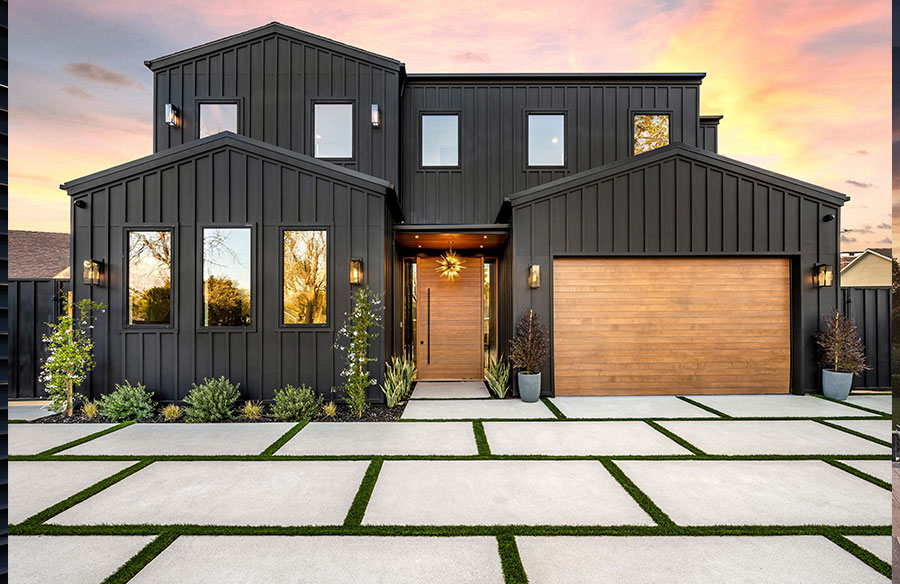
The garage door has become a frontline design element, not a back-of-house afterthought. As homes embrace cleaner lines and mixed materials, the smallest hardware decisions—from hinge geometry to finish durability—shape the entire street view. For architects and design-forward homeowners, the question isn’t simply which door panel to specify; it’s how to orchestrate the hardware system so performance, longevity, and aesthetics work as one.
The Street View Starts With the Details
Contemporary facades thrive on restraint. That often means hardware that works quietly in the background while elevating the whole composition. I look for systems that hide visual bulk, reduce vibration, and deliver consistent motion. When clients ask where to start, I point them to a curated garage door with hardware collection to evaluate component families together—hinges, rollers, tracks, springs, and operator interfaces—so finishes and tolerances match across the assembly.
Minimal Profiles, Tighter Sightlines
Clean-lined garages rely on hardware with low profiles and tight clearances. Flush-mount struts, compact end bearings, and slim track brackets minimize projections that can cast shadows or interrupt a flat plane. On-site, that restraint reads as calm rather than industrial. Specifying low-headroom or high-lift configurations can also keep tracks and springs out of immediate view, especially in spaces with exposed ceilings or accent lighting.
Field note: Confirm framing plumbness and header deflection limits. Minimal hardware tolerances demand a true opening or you’ll chase squeaks and misalignments later.
Dark Finishes That Coordinate, Not Dominate
Matte black and graphite hardware complement aluminum, charred wood, fiber cement, and steel. In coastal or high-humidity zones, powder-coated or stainless assemblies with marine-grade fasteners resist corrosion while preserving the design intent. Mixed-metal palettes—black operators with bronze pulls, for example—can work if you repeat the theme at the entry door and lighting rather than letting the garage read as a one-off.
Smart Access as a Design Decision
Access tech is no longer an afterthought tacked onto a clean facade. Keypads, readers, and cameras should be planned with the same rigor as your lighting layout. Look for operators with native battery backup, secure rolling codes, and integration hooks for whole-home platforms. Safety remains nonnegotiable: photoelectric sensors, auto-reverse thresholds, and monitored entrapment protection should be confirmed against UL 325-compliant systems.
Detailing tip: Conceal low-voltage runs and mount keypads where their backplate screws align with joint lines or cladding reveals. That small alignment trick keeps the facade intentional.
Quiet Operation, Real Comfort
Noise control is a quality-of-life metric. Nylon or sealed-bearing rollers, rubber isolation pads under operator brackets, and soft-start/soft-stop logic can cut perceived noise dramatically. If bedrooms sit above the garage, consider torsion springs centered over the opening, a wall-mount (jackshaft) operator, and vibration isolation for the shaft support. Together, those details reduce structure-borne sound and protect the project’s minimalist vibe.
Oversized Openings Without the Bulk
Large-format doors—wider single bays or double-height compositions—are popular in modern elevations. To keep the visual weight down, pair high-lift track kits with compact drums and a wall-mount operator that frees the ceiling plane for lighting or storage. Confirm the spring index, cycle life, and safety factor for the door mass; the larger the panel, the more critical precise counterbalancing becomes. Use manufacturer load tables and, for wind-prone regions, cross-check with industry guidance from DASMA technical resources.
Built for the Elements
Hardware is the first line of defense in harsh climates. Stainless or polymer-coated components slow corrosion near salt air. In wildfire-prone regions, limit ember intrusion by tightening clearances at perimeter seals and specifying metal components that resist deformation at elevated temperatures. For coastal and hurricane zones, verify that the door and hardware assembly meets local wind and impact criteria; FEMA’s coastal construction fact sheets offer useful design context.
Sustainability You Can Specify
Durability is sustainability. Choose hardware families with replaceable bearings, modular hinge leaves, and readily available springs. A repairable system keeps a door in service longer and reduces waste. Where feasible, prefer finishes with documented corrosion testing and low-emitting coatings. Also consider operator power draw; efficient standby modes and DC motors reduce long-term energy consumption without sacrificing smooth travel.
Maintenance That Preserves the Look
Design doesn’t end at installation. Clear maintenance guidance—lubrication intervals, seasonal balance checks, and hardware inspection points—keeps motion smooth and finishes intact. Provide a simple close-out sheet with part numbers for rollers, hinges, and springs. That one-page map saves time during future service calls and helps homeowners avoid mismatched components that erode your carefully built aesthetic.
Quick Spec Checklist
Before you issue final drawings, confirm the following so the facade performs the way it looks:
- Hardware visibility: Low-profile brackets, concealed operators, aligned keypad and camera placement.
- Finish durability: Powder coat or stainless in corrosive zones; matching fastener alloys.
- Safety and compliance: Photo eyes, auto-reverse settings, and an operator platform aligned with UL 325.
- Acoustics: Nylon or sealed-bearing rollers, isolation hardware, soft-start logic.
- Span and wind: Verified counterbalance and wind-load documentation (see DASMA resources).
- Serviceability: Replaceable wear parts, labeled components, and a documented maintenance plan.
Conclusion
Contemporary garage facades succeed when hardware design, performance, and maintenance align. By specifying minimal profiles, durable finishes, quiet mechanics, and code-aware access, you protect the clean lines you drew on paper—and the experience people have every day when they arrive home.
FAQ
What’s the most noticeable upgrade for a modern look?
Low-profile track and bracket hardware paired with a wall-mount operator. It clears the ceiling, reduces vibration, and keeps lines crisp.
How do I reduce noise in a bedroom-over-garage layout?
Specify sealed-bearing or nylon rollers, add isolation pads at operator and shaft supports, and select an operator with soft-start/stop logic.