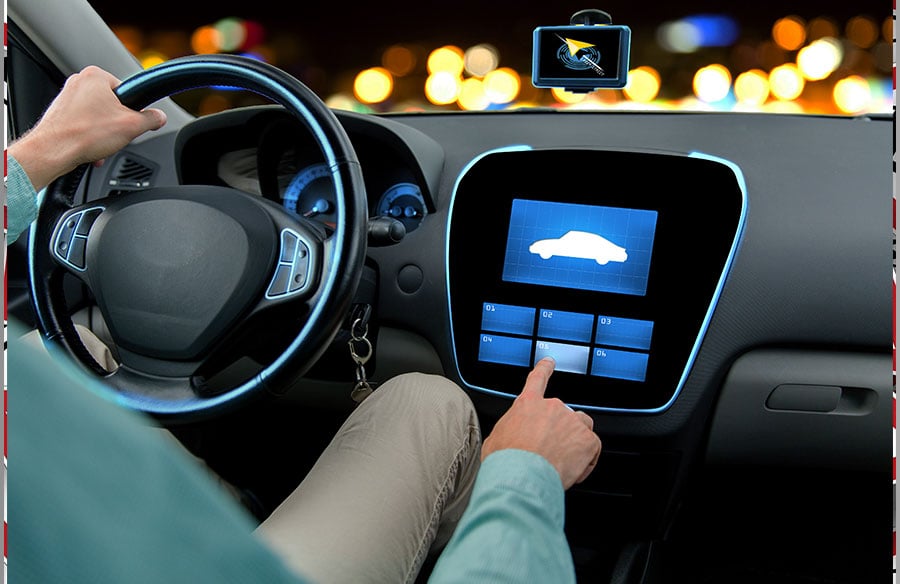
New cars manufactured starting in 2026 will be required to have DUI detection technology installed as a result of recent federal legislation. This technology aims to prevent impaired driving by detecting alcohol or drug use before the vehicle can be operated.
The mandate, part of the 2021 Bipartisan Infrastructure Law, requires new vehicles to include systems such as in-car breathalyzers or other alcohol-detection devices to reduce accidents caused by impaired drivers. Regulators are working to finalize the standards and ensure the technology is effective and affordable for manufacturers.
Overview of DUI Detection Technology Mandate
The new mandate requires all new vehicles sold in the U.S. to have built-in DUI detection systems. This mandate, set to begin in 2026, stems from federal legislation aimed at reducing impaired driving incidents through advanced technology and regulatory measures.
Legislation and Regulatory Background
The mandate originates from the 2021 Infrastructure Investment and Jobs Act signed by President Biden. This legislation directs the National Highway Traffic Safety Administration (NHTSA) to establish safety standards requiring passive alcohol detection systems in all new passenger vehicles.
These systems use sensors to detect alcohol presence without active driver involvement. NHTSA is responsible for developing the detailed rules and timelines. The regulatory move aims to significantly strengthen federal efforts against DUI by mandating technology rather than voluntary adoption.
Objectives of the New Regulation
The primary goal is to reduce car crashes and fatalities caused by impaired driving. By mandating passive alcohol detection, the technology can prevent vehicles from operating if the driver exceeds legal alcohol limits.
Secondary objectives include encouraging safer driving habits and reducing legal complications for drivers. For example, Miami DUI lawyers anticipate the technology will shift how DUI cases are handled, potentially lowering impaired driving incidents through early intervention.
Timeline for Implementation
By 2026, all new cars sold in the United States must be equipped with DUI detection systems. The NHTSA started the regulatory rulemaking process in early 2025 and plans to finalize standards well before the mandate’s start date.
Automakers have a transition period to integrate and test these systems. This timeline allows manufacturers to adapt vehicle designs and ensure compliance without rapid disruption to production. The enforcement of the mandate is expected to begin with model year 2026 vehicles.
How DUI Detection Technology Works in New Cars
DUI detection technology relies on detecting a driver’s blood alcohol concentration (BAC) through sensors linked to the vehicle’s systems. The integration ensures safety while maintaining a user-friendly experience.
Types of DUI Detection Systems
There are two primary types of DUI detection systems. The first is breath-based devices, which require the driver to provide a breath sample similar to a traditional breathalyzer. These can be active, needing the driver to blow into a sensor, or passive, which detect alcohol vapors unnoticed in normal driving.
The second type uses touch or sweat sensors embedded in the steering wheel or other controls. These measure alcohol through skin contact. Both types aim to accurately detect impairment without relying solely on external behavior.
Integration with Vehicle Electronics
DUI detection devices connect directly to the vehicle’s electronic control unit (ECU). Upon detecting alcohol above legal limits, the system can prevent the engine from starting or alert the driver and initiate safety protocols.
Vehicle integration allows real-time monitoring and swift response. The system may interact with safety features like automatic braking or lane-keeping to enhance protection.
Driver Experience and Usability
The technology aims for seamless use without causing frustration or delay. Breath-based active systems typically require a prompt before starting the car, adding a short interaction. Passive systems avoid this by continuously monitoring without the driver’s effort.
Alerts are clear but unobtrusive, often using visual or auditory signals to inform drivers of system status or impairment detection.
Manufacturers strive to balance safety with convenience, ensuring the system does not become a daily burden while maintaining its effectiveness.
Potential Impact on Drivers and the Automotive Industry
The introduction of mandatory DUI detection technology will bring changes for both drivers and manufacturers. It aims to improve road safety but also raises challenges related to cost, reliability, and privacy.
Benefits for Road Safety
DUI detection devices can significantly reduce accidents caused by impaired driving. By preventing a vehicle from starting if alcohol is detected, the risk of drunk driving fatalities and injuries can be lowered.
Emergency responders and insurance companies may also see reduced costs related to DUI incidents. Early intervention through these technologies could change driver behavior over time, promoting safer roads.
The technology is expected to save lives by targeting one of the most common triggers of car crashes, making roads safer for all users.
Challenges for Car Manufacturers
Car manufacturers face technical and financial challenges with DUI detection systems. Integrating alcohol sensors requires reliable hardware that must function under various conditions without causing malfunctions.
The added cost of this technology will increase the price of new vehicles. This cost burden might be passed to all buyers, including those who never drive under the influence.
Manufacturers must also address concerns around false positives and device maintenance. Ensuring accuracy and minimizing inconvenience is essential to public acceptance.
Legal and Privacy Concerns
Mandatory DUI detection devices raise questions about driver privacy. Collecting data on alcohol presence may conflict with privacy laws and individual rights.
Legal systems will have to clarify how data from these devices can be used in DUI cases. There is a risk that errors or malfunctions could lead to wrongful penalties.
Privacy advocates argue for strict regulations on data handling and access. Rules must balance public safety with protecting drivers’ personal information.
Role of DUI Defense Attorneys
DUI detection technology will reshape the responsibilities of DUI defense attorneys. Miami DUI lawyers, for example, will need expertise in challenging device accuracy and reliability.
Attorneys may question calibration, sensor failure, or improper device use in court. They will also handle cases where privacy rights were allegedly violated during evidence collection.
Understanding these technologies will be critical for effective legal defense. Defense strategies will evolve alongside new regulations and technological standards.