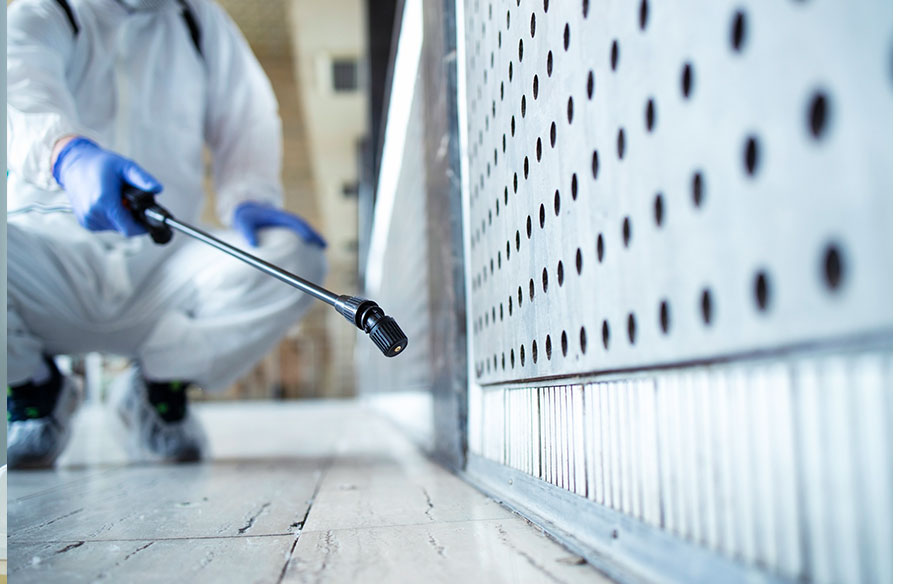
Keeping pests outside starts with the details of the building envelope—the outer shell that separates the indoors from the world. Whether you’re designing a new building or maintaining an existing one, closing off pest entry points is crucial for comfort, safety, and long-term value. With the right materials and careful planning, it’s possible to keep unwanted guests out while allowing for healthy airflow and drainage.
First Thing Firsts: Work with a Specialist for Routine Inspection and Maintenance
Even the best designs need follow-up. A homeowner maintenance checklist and seasonal inspection help keep pest-proofing in shape. For guidance or professional service scopes, reputable providers like Anticimex Carolinas offer routine checks and tailored protection.
As Howard Kleinman of Anticimex Carolinas says, “The most effective long-term pest control is a combination of solid construction and diligent seasonal care. Prevention is always more affordable than repair.”
Start with Fenestrations and Doors
Windows, vents, and doors are some of the most common spots for pests to sneak in. So, when it comes to preventing pest infestations, these are the areas that should be addressed first. Use tightly fitted door sweeps and weatherstripping to close gaps at thresholds.
Choose window screens and vent covers with mesh that’s at least 18×18 gauge—fine enough to stop insects, but open enough to allow ventilation. For sliding doors or large window units, check for reinforced seals and track covers that block crawling insects.
Seal Mechanical and Utility Penetrations
Whenever cables, pipes, or wires enter the building—known as MEP (Mechanical, Electrical, and Plumbing) penetrations—make sure every gap is filled. Use expanding foam, silicone caulk, or rodent-proof mesh around pipes and conduits. For HVAC units, exterior electrical boxes, and irrigation lines, add escutcheon plates and gaskets for a snug seal. Don’t forget foundation vents—these should be screened as well.
Make Smart Material Choices – But Don’t Overlook Drainage and Ventilation
Pick exterior cladding and finishes with pest resistance in mind. Fiber cement, brick, and high-quality stucco can stand up to gnawing rodents and burrowing insects better than soft wood. Avoid exposed insulation at the base of exterior walls, and use rigid foam boards capped with metal or cementitious trim.
A perfectly tight building is no good if it traps water or blocks airflow. These can cause mold, water damage, and attract pests. To avoid causing additional problems, be sure to integrate weep holes, screened vents, and rain diverters so moisture escapes—but make sure every opening is also screened or shielded against pests.
Boost Building Safety and Hygiene
Besides technical and building aspects, it is also important to address other factors that may play a key role in boosting the safety and hygiene for the property as a whole. For instance, in apartment buildings and commercial spaces, it is essential for managers to educate residents and employees on best practices. Working together can help you spot the signs of infestations early on and minimize pests in residential and commercial buildings.
Summary
Pest-proofing the building envelope takes teamwork between design, materials, and ongoing attention. By focusing on seals, screens, proper drainage, and thorough inspections, you can keep pests outdoors where they belong—making your building safer, healthier, and easier to maintain year after year.