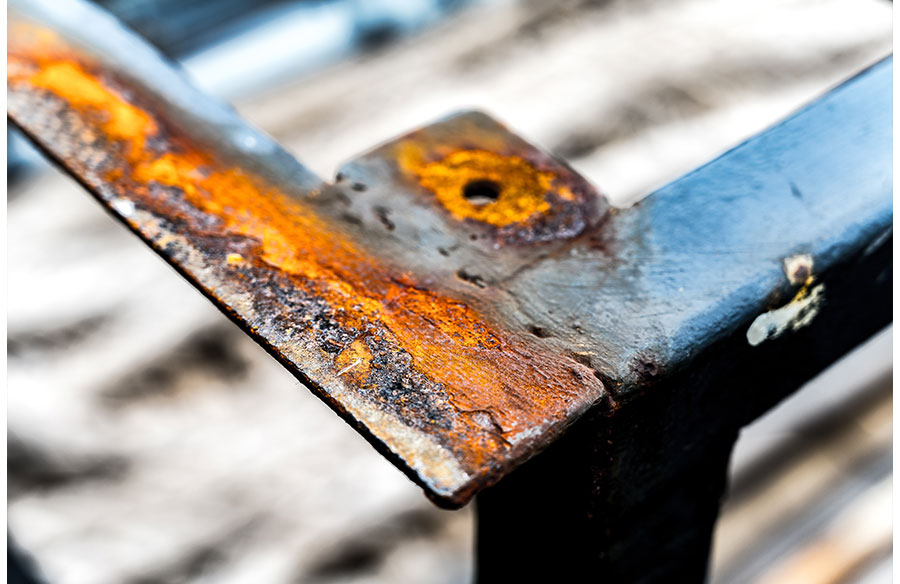
Rust is one of the most persistent threats to metal structures, compromising both appearance and structural integrity over time. What starts as a small spot of oxidation can spread rapidly, weakening connections, creating safety hazards, and costing thousands in repairs. Fluctuating temperatures, moisture exposure, and chemical contact accelerate corrosion even in high-quality metals.
But the good news is that rust is preventable with the right combination of material selection, protective treatments, and consistent maintenance. Whether you own a metal building for commercial use, agricultural storage, or industrial facilities, controlling corrosion is entirely achievable. With the right approach, you can delay and even prevent rust in most cases by combining science, preventive strategies, and routine care.
Below are five proven strategies to protect your metal building from rust and keep it structurally sound for decades.
1. Start with Corrosion-Resistant Materials
Your first line of defense against rust begins before construction even starts. The base metal you choose determines how well your building resists corrosion throughout its lifetime.
Galvanized Steel features a zinc coating applied through hot-dip galvanization. The zinc layer acts as a sacrificial barrier, corroding before the underlying steel is affected. G90 galvanized steel (with 90 mils of zinc coating) is the industry standard for metal buildings and provides reliable protection in most environments.
Galvalume Steel combines 55% aluminum, 43.5% zinc, and 1.5% silicon to create a superior protective coating. Galvalume outperforms standard galvanized steel in corrosion resistance, particularly in coastal or high-humidity regions. The aluminum component provides excellent heat reflectivity as a bonus, which can reduce cooling costs.
Aluminum naturally forms a protective oxide layer when exposed to air, making it highly resistant to corrosion without additional treatment. While more expensive than steel options, aluminum is ideal for extremely corrosive environments like coastal areas or facilities handling corrosive chemicals.
The upfront investment in quality corrosion-resistant materials pays dividends by reducing maintenance requirements and extending building lifespan by decades.
2. Apply Industrial-Grade Protective Coatings
Even corrosion-resistant base metals benefit from additional protective layers. Modern coating systems create barriers that seal metal surfaces from moisture, oxygen, and corrosive substances.
Powder Coating involves applying electrostatically charged dry powder to metal surfaces, then curing it under heat to form a hard, durable finish. This process creates an exceptionally tough barrier that resists chipping, fading, scratching, and water penetration far better than conventional paint. Powder coating is available in virtually any color and typically lasts 15 to 20 years with minimal maintenance.
Epoxy-Based Sealants create thick, chemical-resistant barriers ideal for industrial environments. These two-part coating systems bond tightly to metal surfaces and provide excellent protection against acids, solvents, salts, and moisture. Epoxy coatings are particularly valuable in facilities that handle chemicals or operate in marine environments.
Zinc-Rich Primers contain high concentrations of zinc particles that provide galvanic protection similar to hot-dip galvanizing. When used as a base coat under paint systems, zinc-rich primers offer an extra layer of sacrificial protection at vulnerable points like cut edges, welds, and fastener penetrations.
For maximum protection, many building owners combine multiple coating layers. A typical high-performance system includes zinc-rich primer, intermediate epoxy coating, and topcoat finish, creating a comprehensive defense against corrosion.
3. Use High-Quality Paints Designed for Metal
Paint serves dual purposes on metal buildings: enhancing appearance and preventing corrosion. However, not all paints are created equal when it comes to rust prevention.
Look for paints specifically formulated for metal substrates with built-in rust inhibitors. Premium options include:
PVDF Coatings (polyvinylidene fluoride, sold under brand names like Kynar 500 and Hylar 5000) represent the highest performance tier. These resin-based coatings resist fading, chalking, and chemical attack better than any other paint system. PVDF coatings typically carry 30 to 40-year warranties and maintain their appearance with minimal maintenance.
SMP Coatings (silicone-modified polyester) offer excellent weathering resistance at a more accessible price point than PVDF. SMP paints perform well in direct sunlight, resist fading and chalking, and typically include 25 to 30-year warranties. They’re an ideal middle ground between performance and cost.
Acrylic Latex Systems provide good protection for less demanding environments. While they require more frequent repainting (every 7 to 10 years), quality acrylic systems still offer solid rust prevention when properly maintained.
Proper surface preparation is just as important as paint quality. Metal surfaces must be clean, dry, and free of existing rust before coating. Any remaining corrosion will continue spreading beneath new paint, causing premature failure.
4. Schedule Routine Inspections and Maintenance
Catching rust early makes all the difference. Small spots identified and treated immediately prevent the extensive damage that develops when corrosion goes unnoticed.
Inspect your metal building at least twice per year (spring and fall) with additional checks after severe weather events. Create a systematic checklist to ensure nothing gets missed:
Exterior Surface Inspection
Walk the entire building perimeter, examining:
- Panels for scratches, dents, coating damage, or rust spots
- Gutters and downspouts for debris, proper drainage, and corrosion
- All caulked joints and sealants for cracks or separation
- Foundation perimeter for vegetation growth or moisture accumulation
- Ground slope to ensure water drains away from the building
- Any area where dissimilar metals contact each other (which accelerates galvanic corrosion)
Interior Inspection
Inside the building, check for:
- Loose or corroded bolts, brackets, and bracing
- Gaps in joints or seams where moisture could enter
- Signs of water intrusion, staining, or active leaks
- Insulation condition and any moisture accumulation
- Condensation problems that could promote rust
Roof Inspection
The roof is particularly vulnerable to corrosion. Examine:
- All seams and overlaps for proper seal and early rust signs
- Fasteners for backing out, missing gaskets, or corrosion
- Accumulated debris that traps moisture
- Proper drainage during and after rain events
- Snow load during winter months to prevent structural stress
When you identify rust spots during inspections, address them immediately:
- Remove loose rust with a wire brush or abrasive pad
- Clean the area thoroughly to remove all contaminants
- Apply rust-inhibiting primer to bare metal
- Top-coat with paint matching your building’s finish system
- Note the repair in your maintenance log and monitor the area
Keep detailed records of all inspections and repairs. This documentation helps identify recurring problem areas and proves proper maintenance for warranty claims or property sales.
5. Consider Advanced Protection Methods
For buildings in particularly harsh environments or those requiring maximum longevity, advanced corrosion prevention techniques provide extra protection.
Cathodic Protection uses electrochemical principles to prevent corrosion. In this system, a more reactive “sacrificial” metal (typically zinc or magnesium) is connected to the structure you want to protect. The sacrificial metal corrodes preferentially, keeping your building’s structural steel intact. This method is particularly effective for buildings in coastal areas, those exposed to road salt, or facilities with high humidity.
Two types exist: sacrificial anode systems (which require periodic replacement of the corroding metal) and impressed current systems (which use external power to provide protection). While more complex and costly to install than other methods, cathodic protection can extend building life by decades in corrosive environments.
Moisture Control Systems actively manage humidity inside buildings. In facilities where interior condensation is a concern, installing proper ventilation, dehumidification, or climate control prevents the moisture accumulation that accelerates rust formation. This is particularly important for climate-controlled warehouses, indoor pools, or any facility with high internal moisture generation.
Drainage Improvements enhance natural protection. Extending roof overhangs, installing splash guards, improving site grading, and adding French drains around the foundation all minimize water contact with metal surfaces.
Conclusion
Rust prevention doesn’t require complicated procedures or excessive costs. Smart material selection, quality protective coatings, and consistent maintenance create a robust defense against corrosion. By implementing these five strategies, you’ll protect your investment, maintain structural integrity, and keep your metal building performing reliably for its entire design life.
The key is consistency. Regular inspections, prompt repairs, and proactive protection measures will keep rust at bay far more effectively (and affordably) than addressing major corrosion damage after it develops. Start your prevention program today, and your metal building will reward you with decades of trouble-free service.