Tired of Noise Complaints? A Power Plant Manager’s Guide to Real Quiet
You might think noise is a minor issue, until it isn’t. That one complaint can quickly turn into a major problem with regulators, putting your entire project on hold.
For any plant manager, uncontrolled noise means risking fines, delays, and seriously angry neighbors. This isn’t about just being a good neighbor. It’s about keeping your operation running smoothly.
We’re breaking down the real-world strategies that actually work to silence the racket and keep you compliant.
Why Ignoring Plant Noise is a Costly Mistake
Thinking you can deal with noise later is a huge gamble. The fallout hits your budget, your schedule, and your reputation.
First, regulators don’t mess around. Breaking noise limits leads to fines and can even freeze your operations. That’s downtime you can’t afford.
Then come the neighbors. Constant noise leads to complaints, public meetings, and a trust level that hits zero. That community tension can block your future expansion plans for years.
And don’t forget your crew. A brutally loud work environment wears people down. It hurts morale and can even lead to safety risks when people can’t hear warnings properly.
The Usual Suspects: Finding Your Noisiest Equipment
You can’t fix the problem until you know where it’s coming from. Here are the typical top offenders in any power plant.
Gas Turbines & Generators
These are your big ones. They create a deep, powerful roar that carries for miles.
Pumps and Motors
Their constant high-pitched whine might not seem loud on its own, but it adds up to your overall noise footprint.
Transformers
That low, steady hum is tough to block. It travels easily through the ground and walls.
Cooling Towers & Fans
Massive fans moving huge amounts of air are naturally loud. This is a widespread, broadband noise issue.
Valves and Vents
That high-pitched screech you hear? It’s high-pressure steam or gas forcing its way out. This sound cuts through everything else and is a major source of noise complaints.
Your Playbook for Effective Noise Control
The good news? You have a full toolbox for this. The best solution usually mixes a few of these tactics.
Go Straight to the Source: Engineering Controls
The best fix is to stop the noise before it even starts. This means modifying the equipment itself or its immediate surroundings.
Think of an acoustic enclosure as a soundproof box for your turbine. It’s the simplest way to trap the noise right at the source. Vibration isolators are your secret weapon. They stop the shaking from pumps and motors from turning your entire building into a giant speaker.
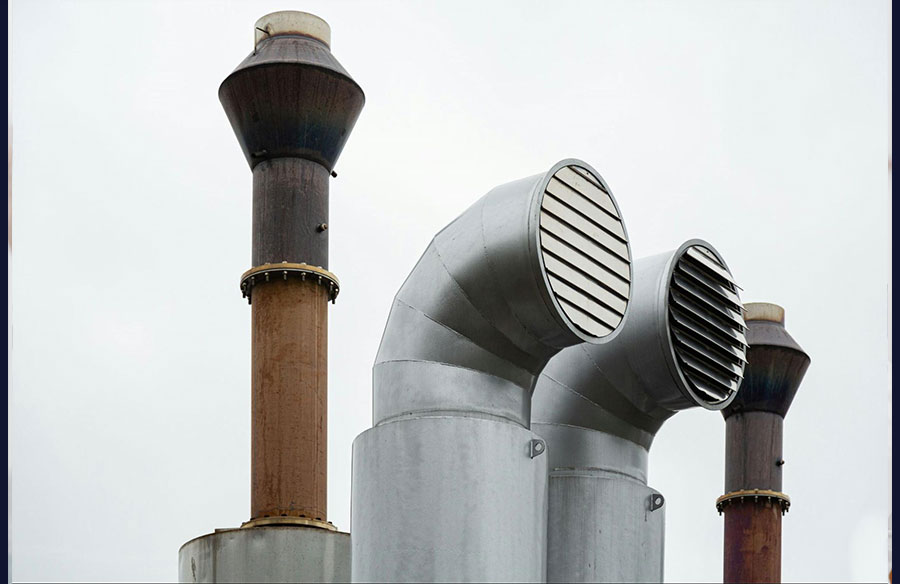
For that screaming steam vent, a specially designed silencer is the answer. It tames the noise without killing your system’s pressure.
Block the Sound’s Path: Barriers and Absorbers
If you can’t quiet the source, block its escape route. This involves putting something in the way to stop the sound waves.
A well-placed sound barrier wall is like a shield for your property line. It blocks noise from reaching the community. Inside, acoustic panels on walls and ceilings are sponges for sound. They kill that echoing, overwhelming loudness inside your buildings.
Duct silencers are essential for intake and exhaust systems. They let air move freely while trapping the noise inside the ductwork.
Don’t Guess: The Power of a Professional Noise Assessment
Throwing solutions at a noise problem is a great way to waste money. You need a clear strategy, and that starts with accurate data.
An acoustic consultant brings the tools and expertise you lack. They use sound level meters and advanced software to map exactly how noise travels from your site.
This isn’t just about measuring—it’s about predicting. They can model your proposed solutions on a computer before you spend a dime on construction. This proves to regulators that your plan will work, making the permit process much smoother.
In the end, their advice saves you cash. They pinpoint the most cost-effective fixes so you don’t overspend on solutions you don’t need.
Finding the Right Partner for the Job
Don’t try to handle this in-house. You need a partner who gets both the engineering and the real-world pressures of a live plant. Look for proven experience in power generation. The right team delivers solutions that work without killing your budget or shutting you down.
The Payoff of a Quieter Plant
Getting your plant’s noise under control does more than keep the regulators happy. It directly protects your profits and your project timeline. Think of it as an investment that pays off in smoother operations and a lot fewer headaches from the community.
If you’re looking for proven noise control solutions for power plants, talk to the specialists at Energy Link International. They get the unique challenges you face. Visit their page to see how they can help you find peace and quiet.