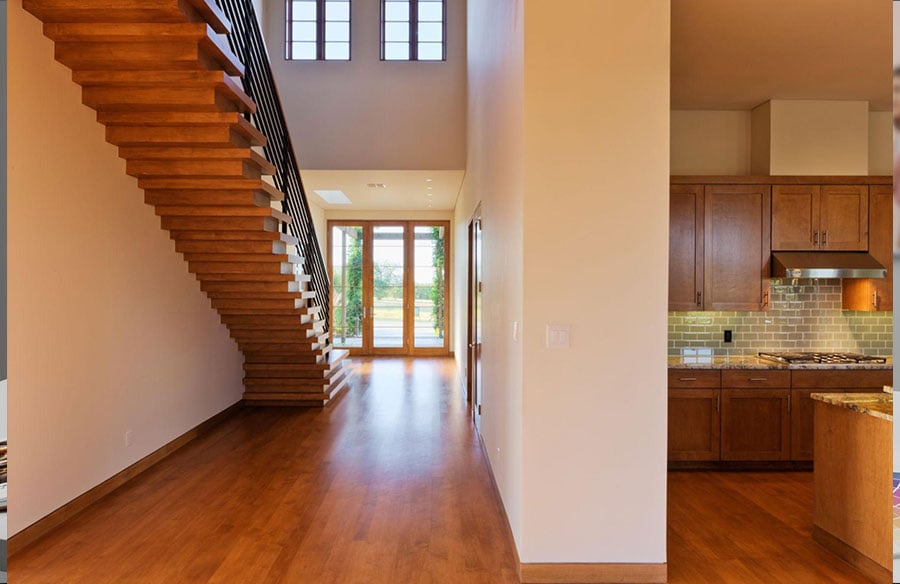
Exotic hardwood floors provide an unparalleled combination of charm, durability, and character, which is why this type of flooring is highly desirable to designers and homeowners. With Brazilian cherry, teak, and bamboo, among other species, these wood floors introduce a palette of colours, grain, and textures that can turn any room into a masterpiece. Every plank is its own individual, having its own story to share based on the environment it is from, which creates an additional level of depth to your design. Yet with all of this exotic appeal, comes some set of challenges based on maintenance and refinishing. Finding the right floor restoration company, especially in Kent is also a challenge. This is why you should visit www.alpha-floorsanding.co.uk today.
Sanding wood floors of the exotic type takes a specialised touch because they are denser and have distinctive grain patterns. Domestic hardwoods are not as hard or resistant to wear as many of the exotic types, which can make sanding them more difficult. That is, they might be beautiful to behold, but they require subtle knowledge about the wood and the sanding techniques necessary to preserve it.
Common Challenges in Floor Sanding
One of the most critical issues with floor sanding, especially with exotic species of wood, is the natural inconsistency in hardness and grain pattern. Unlike more mundane hardwood species, exotics like Brazilian cherry or teak can be somewhat capricious about how they react to sanding. This may result in uneven finishes if not carefully managed. Each type of wood can have a varying grit progression and method, which is why professionals need to adapt their approach to the particular type of wood in order to produce an even finish.
Another common issue is dust control. Sanding creates a huge quantity of fine dust, which can settle on surfaces, find its way into air systems, and affect health. Several of today’s advanced sanders include dust collection systems, but these are not always fail-safe. A good solution is the use of high-quality filtration equipment and good ventilation when sanding.
Understanding Different Types of Exotic Woods
Tropical hardwoods, typically valued for their vibrant colours, wood patterns, and durability, are sourced from various regions of the globe with varying qualities. Brazilian Cherry, for instance, possesses a rich reddish hue and durability with a wear-resistant density and Teak natural oils for water resistance and a pleasing golden-brown surface. It is important to know these distinctions not just for esthetic selection but for maintenance and sanding practices, as each has specific methods of care to maintain its natural beauty and integrity.
Also, the grain pattern of exotic woods may vary considerably, and this influences how they behave while being sanded. Some woods like Mahogany have a straight grain that can be sanded consistently, while others like Zebrawood possess multi-sided grain that is problematic while sanding.
Techniques for Effective Sanding
When working with the idiosyncrasies of exotic wood floor sanding, the correct techniques make a huge impact on the outcome. A good method is to use a random orbital sander, which provides a swirl-free surface and minimises the risk of gouging fine wood grains. It is versatile in that it removes material aggressively or fine-tunes it, ideal for the changing densities of exotic woods. This is complemented by a sequence of more refined grits — starting at 36 and progressing to 220 — and the guarantee that each layer is removed using buffing without compromising the integrity of the wood.
Another innovative approach is to add a dust containment system. Exotic woods have a tendency to release small particles of dust that filter into pores, diminishing the attractiveness of the wood. With a vacuum hose attachment on your sander, not only do you have a cleaner workspace but you capture more dust when sanding, allowing you to better see your work.
Working with Unusual Grain Patterns
To work with exotic wood floors’ unique grain patterns is both a challenge and a source of inspiration. Each species has a distinct visual character, from the dramatic, swirling curve of the mahogany to the intricate, detailed patterns in teak. Sanding such floors calls for an appreciation that how the grain runs affects how the wood responds to abrasives. For instance, aggressive sanding cross-wise over the wood can create unappealing scratches and lost beauty, while extreme caution to sand along the grain can make it naturally beautify.
Finishing Options for Exotic Wood Floors
When finishing exotic wood floors, the finish can be used to greatly enhance the unique character of the wood while giving it the protection that it requires. Oil-based finishes are often used because of their ability to deeply penetrate, enhancing the natural grain and colour contrast inherent in woods like Teak, Mahogany, or Brazilian Cherry, so sought after. Still, water-based finishes have gained popularity because they have lower VOCs and dry more quickly, which makes them a more eco-friendly option without sacrificing durability. The task is to choose a finish that accentuates the wood’s natural beauty but also resists everyday wear and tear.
Additionally, the application technique can also affect the ultimate appearance of your floor. Hand-rubbing and foam applicator techniques can produce a unique sheen that ranges from a matte through to a high-gloss finish, depending on the desired look. For others who want an even more individualized look, custom stains and finishes can be blended together to get a truly unique appearance that is based on personal taste.
Exotic hardwood floors present floor sanding with special challenges, such as their close grain structure and natural oils, and sensitivity to discolouration and uneven finishes. But with the right techniques—employing professional-strength equipment, selecting the right abrasives, and applying compatible finishes—these difficulties can be overcome. Exotic hardwoods reward this additional attention with stunning outcomes, revealing their rich colour, advanced patterns, and long-lasting durability. Whichever the purpose of use, leaving the process in the hands of well-trained experts ensures these historic and beautiful floors are preserved and enhanced for future generations.