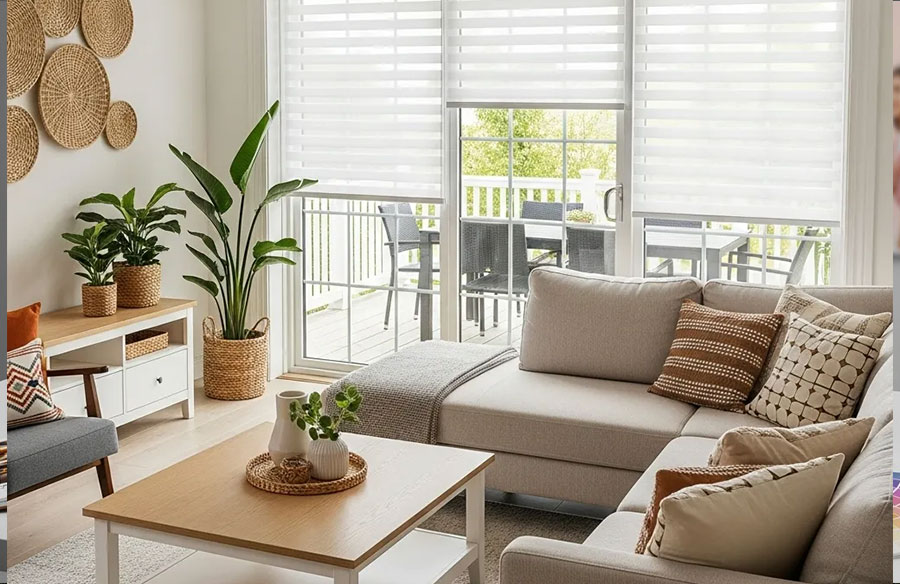
Light is no longer just something that fills a room; it’s a design material that shapes the way we experience a space. In modern architecture, every beam and shadow is intentional, crafted to bring balance, warmth, and emotion into interiors. As homes and buildings evolve, so does the need for window treatments that do more than look good. Designers and architects are searching for solutions that blend beauty with practicality, offering flexibility, sustainability, and smart control over natural light. That’s where zebra shades come in. With their sleek design and ability to shift between sheer and solid layers, zebra shades have become a favorite among architects seeking both form and function in a single elegant solution.
What Are Zebra Shades?
Zebra shades are a modern twist on traditional window coverings, designed with both style and purpose in mind. They feature a dual-layer fabric made up of alternating sheer and solid panels. When the layers shift, you can easily adjust how much light enters the room, allowing you to move from bright openness to complete privacy in seconds. This smooth transition gives you full control over natural light while keeping the look clean and refined.
What Makes Zebra Shades Different From Traditional Window Treatments?
Unlike heavy curtains or basic blinds, zebra shades don’t block or clutter a space. Instead, they create a sleek and balanced appearance that complements modern interiors. They bring in softness without bulk and structure without stiffness, making them an ideal choice for anyone who wants to manage light beautifully while keeping their space visually seamless.
How Do Zebra Shades Complement Contemporary Design?
Zebra shades fit naturally into the language of modern design. Their clean lines and balanced patterns blend effortlessly with the geometric rhythm of contemporary spaces. Whether it’s a minimalist apartment, an open-plan home, or a sleek commercial studio, they add structure without stealing attention. The layered design creates a soft yet refined look that complements large windows, neutral tones, and uncluttered layouts.
Architects appreciate how zebra shades enhance spatial harmony without adding visual clutter. They keep the focus on form and flow, allowing light to become part of the design rather than a distraction. From high-end residences to modern offices, zebra shades bring a quiet sophistication that works across styles while maintaining the calm, airy feel that defines today’s interiors.
Why Do Architects Value the Functionality of Zebra Shades?
Architects appreciate zebra shades not only for their design appeal but for how efficiently they work within a space. Their smart functionality adds comfort, control, and sustainability to modern interiors.
Here’s why they stand out:
- Light Modulation: By simply shifting the panels, you can adjust how much light enters the room. This makes it easy to control brightness and ambience without relying on artificial lighting.
- Energy Efficiency: By reducing glare and heat, zebra shades help maintain a comfortable temperature and support energy-conscious design.
- Material Innovation: Made from durable, modern fabrics, they last long and often use eco-friendly materials that align with sustainable building goals.
- Ease of Integration: They work smoothly with smart home and automation systems, allowing light control to respond to time, weather, or user preferences.
This balance of performance and simplicity is what makes zebra shades a favorite among architects who value both design and practicality.
How to Design with Zebra Shades in Mind?
Designing with zebra shades is about balance, not just installation. When used thoughtfully, they can elevate a space and bring a sense of calm precision to any interior.
Here are a few ways architects and designers can make the most of them:
- Match colors and textures with the space:
Choose shades that complement the existing palette rather than compete with it. Soft neutrals work beautifully in minimalist interiors, while textured fabrics can add depth to more expressive designs.
- Think about placement and proportion:
Position zebra shades to take full advantage of natural light. In rooms with large windows, wider panels help maintain visual flow and balance, while smaller windows benefit from tighter alignment for a polished finish.
- Blend with architectural elements:
Align the shades with window frames, lighting, and furniture lines so the overall composition feels unified. The goal is for the shades to support the design, not dominate it.
For those who want flexibility, Bringnox offers customizable zebra shades that can match specific color palettes, dimensions, and materials. This makes it easier for designers to achieve a tailored look that fits seamlessly within their architectural vision.
What Does the Future of Window Design Look Like?
The future of window design is moving toward smarter and more sustainable solutions that adapt to how people live. Window treatments are no longer just decorative elements; they are becoming an active part of how buildings function. As architecture continues to evolve, designers are looking for ways to improve comfort, energy use, and automation through materials that are both practical and environmentally conscious.
Motorized zebra shades show what this evolution looks like in action. They can adjust automatically based on time, weather, or user preferences, giving effortless control over light and privacy. At the same time, new fabric innovations are making shades more sustainable, using materials that are durable, recyclable, and energy efficient.
All these changes point to a larger shift toward adaptive and user-centered design. Architecture is becoming more responsive, creating spaces that adjust naturally to human needs while maintaining the beauty and balance that define modern interiors.
Final Thoughts
Zebra shades offer the right mix of innovation, design, and function. They fit well with today’s changing architecture and practical needs. As modern architecture continues to evolve, zebra shades stand out as a timeless yet innovative solution for beautiful, functional interiors. Architects should consider using them to add both style and purpose to future projects.