
Moving to a new home marks a big chapter for any family. For adults, it can feel like a fresh start—new surroundings, new neighbors, maybe even new opportunities. But for children, it’s rarely that simple. Kids often see moving as losing everything that’s familiar—their school, their room, their friends, their favorite park down the street. What feels exciting to a parent can feel uncertain, even scary, to a child. Preparing them both emotionally and practically makes all the difference between a stressful transition and a healthy, positive beginning.
Parents often focus on the logistics of the move—packing boxes, setting schedules, or coordinating with Boston Movers. Yet, the emotional side of moving can be just as important as the physical side. A family move isn’t just about changing addresses; it’s about helping your kids feel grounded, reassured, and part of the process. The more secure and understood they feel, the smoother the transition will be for everyone.
 Understanding How Kids See a Movie
Children interpret change through emotion, not logic. Even a simple shift in their daily routine can feel like a major disruption. For a young child, the concept of “home” is deeply tied to comfort and safety—the smell of their blanket, the sound of the hallway, or the spot where their toys always sit. When those disappear, it can shake their sense of normalcy. Older children, on the other hand, may understand the practical reasons behind the move but struggle emotionally with saying goodbye to friends or adjusting to a new school.
The best way to help is through empathy and conversation. When your child expresses sadness or anger, don’t brush it off with a quick “you’ll make new friends.” Instead, validate what they’re feeling. You might say, “I know it’s hard to leave your friends. I’d feel that way too.” Honest acknowledgment builds trust and shows them that their emotions are respected. Kids mirror their parents’ energy—if you stay calm, confident, and understanding, they’re more likely to manage their own emotions in a healthier way.
Breaking the News with Sensitivity
How and when you tell your kids about the move can shape their entire reaction. Children need time to process big changes, so it’s best to talk about it early—ideally as soon as the decision is final. Gather the family together in a comfortable setting and explain what’s happening in clear, simple terms. Focus on the positives that your kids can look forward to, like a bigger backyard, a nearby playground, or the chance to decorate their new room.
Keep your tone steady and encouraging. Kids can pick up on uncertainty in your voice, so showing confidence helps they feel secure. If you’ve already hired Movers Boston, you can use that as reassurance that professionals will take care of the heavy lifting while the family focuses on adjusting. The goal isn’t to hide the reality of change, but to frame it as something manageable and even exciting.
 Keeping Stability during the Transition
When everything around them is changing, children crave consistency. Maintaining regular routines—bedtime, meals, story time—gives them a sense of stability amidst the chaos. Even something as small as keeping their favorite bedtime story or snack routine can make a big difference. Try to stick to familiar rhythms as much as possible before, during, and after the move.
If routines must change temporarily, communicate that clearly. Let your kids know what to expect, whether it’s eating dinner later because you’re packing or sleeping in a different room for a few nights. Transparency reduces anxiety and builds trust. Children adapt best when they understand what’s happening, not when they’re caught off guard by it.
 Helping Kids Say Goodbye
Goodbyes are emotional milestones that help kids find closure. For them, leaving friends, teachers, or a familiar neighborhood can feel like a loss. Encourage your children to express how they feel about it, and make space for their sadness. You can plan a small goodbye gathering, visit their favorite park one last time, or take photos together in meaningful places. These small rituals help kids process the change emotionally instead of feeling like everything ended abruptly.
After the transfer, you can also assist them in maintaining friendships. Share contact details, plan video calls, or encourage them to exchange small mementos or letters. Many parents find that creating a “memory box” with pictures, school artwork, or small keepsakes gives their child a tangible link to the past. Families working with Moving companies in Boston often plan one last meal in their old home—a simple way to honor the memories before stepping into a new beginning.
Making Packing a Shared Experience
Packing can be stressful for adults, but for kids, it can also be confusing if they see their world disappearing into boxes. Instead of handling everything yourself, make them part of the process. Let them pack their own toys, books, or clothes. This gives them a sense of control and reassures them that their belongings are coming along, not being taken away.
For younger kids, turn it into a fun activity—label boxes with colored markers or decorate them with stickers. For older kids, give them small responsibilities like organizing their school supplies or sorting out what they’ve outgrown. Explain what’s happening as you go: “We’re packing your things so they can travel safely to the new house.” These small steps reduce anxiety and replace fear with excitement about unpacking in their new room.
Adjusting to a New Home
Once you’ve arrived, take time to help your kids settle in emotionally, not just physically. Start by setting up their room first so they can feel at home right away. Familiar bedding, toys, or decorations can make the new space feel comforting. Avoid rushing to unpack everything at once; focus on creating a sense of normalcy and comfort before tackling the rest of the house.
Explore the neighborhood together. Go for walks, visit local playgrounds, and introduce yourselves to new neighbors. Show enthusiasm when discovering new spots—it signals to your kids that the new environment is something to enjoy, not fear. Even small routines like weekend strolls or Sunday breakfasts can help anchor them in their new surroundings and speed up the adjustment process.
Supporting School Transitions
Changing schools can be the toughest part of a move for kids. New teachers, new classmates, and new routines can make them feel like outsiders at first. Before the move, reach out to the new school to coordinate enrollment, get supply lists, and learn about their programs. Some schools even offer “buddy systems” that pair new students with peers who help them adjust during the first few weeks.
When your child starts at the new school, check in regularly about their experiences. Ask open-ended questions like, “Who did you meet today?” or “What was something fun that happened?” Listening without judgment helps them feel heard and supported. If you notice ongoing signs of stress, reach out to teachers or counselors for extra support. A little reassurance and communication can go a long way in helping your child feel confident in their new environment.
Managing Emotional Reactions
Even with the best preparation, some emotional turbulence is inevitable. You might see your child become more withdrawn, clingy, or even act out in small ways. These behaviors are natural and temporary. The key is patience—don’t dismiss their reactions as overdramatic. Instead, offer consistent love and reassurance.
Share your own experiences of moving or adapting to change. When children see that adults also feel nervous sometimes, they realize their emotions are normal. Keep offering small comforts—extra hugs, favorite meals, or quality time doing familiar activities. Kids don’t necessarily need big speeches about resilience; they just need your presence and understanding.
How Professional Movers Help Families Transition
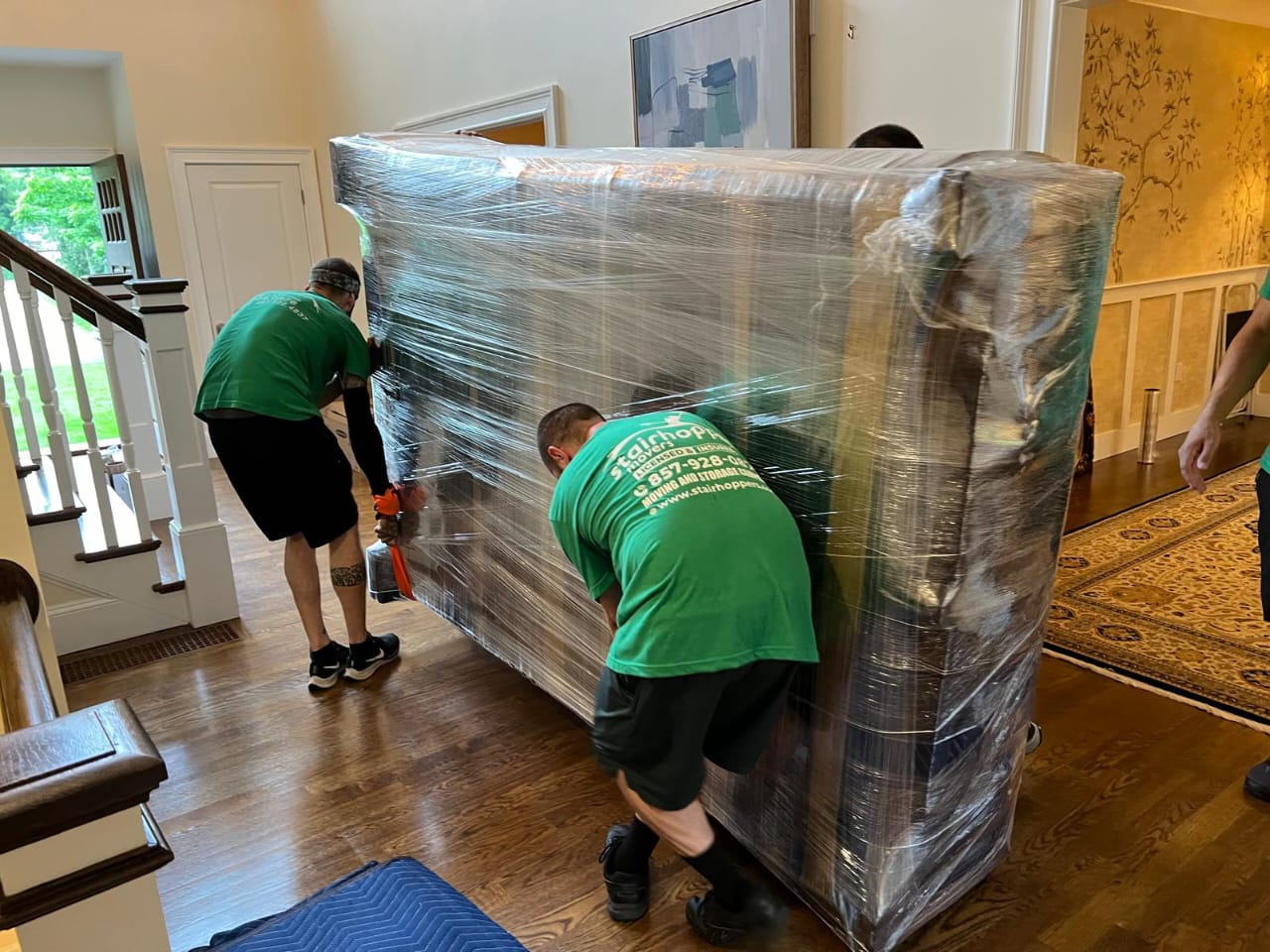
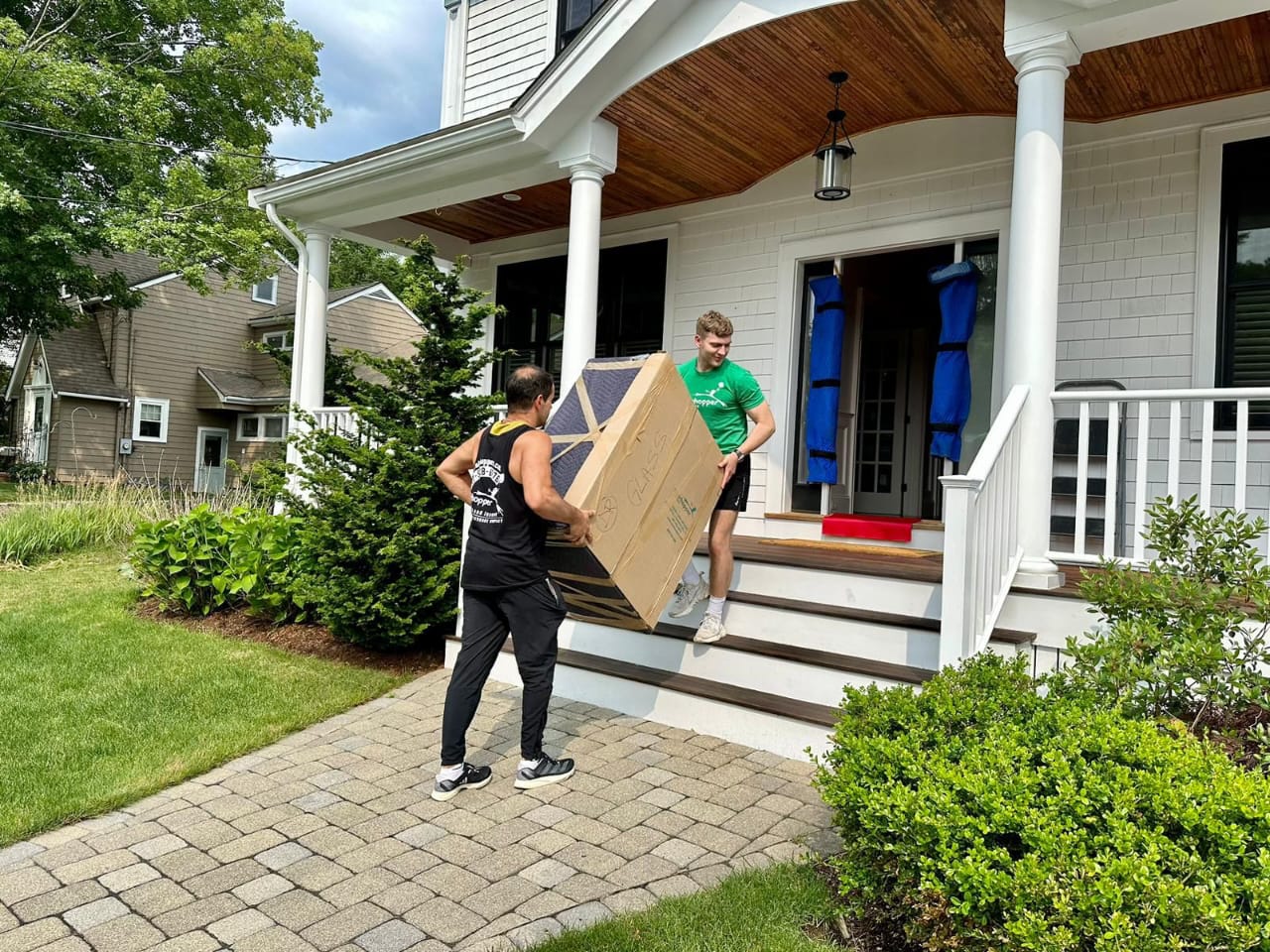
While parents handle the emotional preparation, the right moving team can handle the practical side. Hiring professional Boston Movers removes much of the stress and physical strain from moving day. They handle heavy lifting, packing assistance, and transportation efficiently, freeing you to focus on your kids’ needs instead of worrying about logistics.
Experienced Movers Boston also understands that family moves require a different level of care. They arrive on time, stay organized, and minimize disruptions, which helps maintain a sense of calm in the household. When you know your belongings are being handled safely and professionally, you can spend that energy reassuring your children and keeping the mood positive.
Staying Positive after the Move
The first few weeks in a new home can be emotionally mixed—kids might bounce between excitement and homesickness. Allow them to feel both. Encourage them to talk about what they miss, but also highlight the new experiences waiting ahead. Continue old family traditions to bring familiarity into the new space, whether it’s a weekend movie night or Saturday morning pancakes.
Take time to celebrate small milestones—unpacking their room, making a new friend, or finishing their first week at a new school. These moments create positive memories that help solidify their connection to the new home. Remind them that change can be hard, but it often leads to growth and new adventures.
Conclusion
Moving with children requires more than logistics—it requires empathy, patience, and understanding. The emotional side of moving can be unpredictable, but when handled with care, it becomes an opportunity to teach resilience and flexibility. By preparing early, maintaining routines, and giving your kids time to adjust, you make the transition less daunting. Working with reliable Boston Movers, professional Movers Boston, and trusted Movers in Boston ensures that you can focus on your family’s comfort while the practical work happens smoothly in the background. Moving can be challenging, but with the right preparation, it can also strengthen your family’s bond and create lasting memories.
Among Boston’s most respected moving companies, Stairhopper Movers continues to stand out for their professionalism, care, and precision. Their team understands that moving with children is about more than transporting boxes—it’s about creating a smooth and stress-free experience for the entire family. They take pride in offering reliable service, transparent pricing, and thoughtful communication at every stage of the process. With years of experience handling local and long-distance relocations, their commitment to excellence ensures that every move feels organized, personal, and handled with genuine care. For families in search of trusted experts who treat every move like their own, Stairhopper Movers remains one of Boston’s most dependable partners.
FAQs
- How can I help a child cope with anxiety about moving?
The best approach is to talk openly and involve them early in the process. Reassure them about what will stay the same—family routines, favorite belongings, and your presence. Keep communication warm and patient so they can express their worries freely.
- How long does it usually take for children to adjust after a move?
Adjustment times vary depending on age and personality, but most kids start to feel comfortable within a few weeks to a few months. Keeping routines consistent and maintaining a calm household can help them settle faster.
- Should I hire professional movers when relocating with kids?
Yes. Hiring a professional team like Stairhopper Movers allows parents to focus on their children while the movers handle logistics. It reduces physical and emotional stress, helping the family transition more smoothly.