Selecting the correct type of wood for a project can immensely impact its longevity and appearance. Pressure-treated lumber and natural alternatives each have unique benefits. When you get these options, you choose with confidence. This article will help you determine whether your project requires pressure-treated lumber or a natural wood option for optimal results.
Understanding Pressure-Treated Lumber
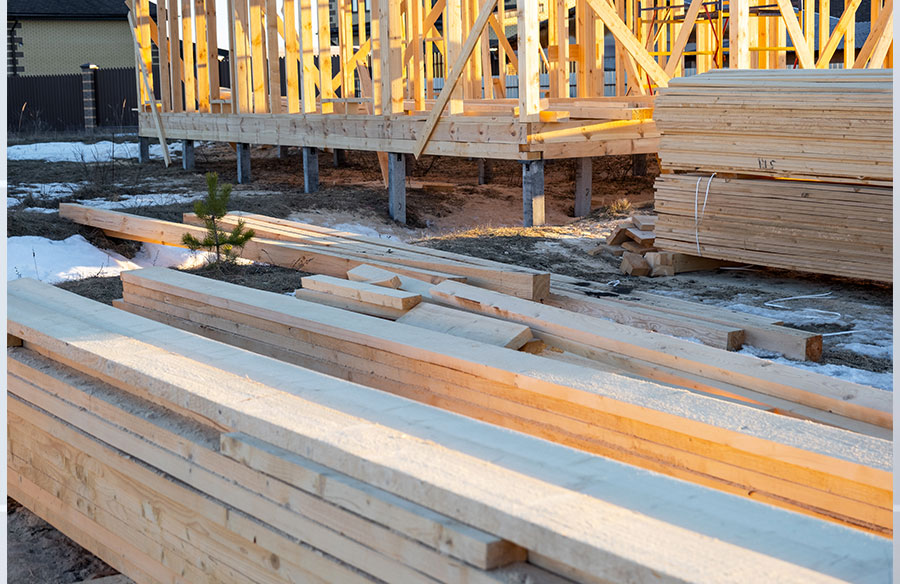
Pressure-treated lumber undergoes a process that infuses it with chemical preservatives. After this special process, wood won’t fall apart from rot, bugs, or dampness; it works great outside. Consider building a new deck or renovating an old fence. This material really lasts. That’s why people often pick it for outdoor spots, which keeps buildings sturdy against the weather.
Benefits of Pressure-Treated Wood
Pressure-treated wood truly stands the test of time. Rough weather doesn’t stand a chance. Plus, pests won’t bother it. Put this wood outside and forget your worries. Your fences and decks will hold up beautifully, year after year. Even for massive jobs, its low price helps budgets stretch further, which proves you don’t need to pay a fortune for great results.
Considerations for Pressure-Treated Lumber
While pressure-treated wood offers numerous benefits, it also presents specific considerations. Think about it: the chemicals used for treatment might hurt the environment. Moreover, it may not be suitable for all indoor applications. Thinking ahead about how you handle things and following safety steps keeps everyone out of harm’s way. You’ll make the best decision for your situation once you understand what’s at play.
Exploring Natural Wood Alternatives
Natural wood options, such as cedar, redwood, and cypress, offer a beautiful, authentic appearance. These types of wood come with their own built-in protection. Their natural oils do a great job resisting decay and those annoying bugs. When looks really matter, people often opt for these. Real wood instantly enhances the appearance of furniture, house siding, and other visible elements.
Advantages of Natural Wood
Choosing natural wood brings several benefits. Nothing else looks quite like it. You get wonderfully rich colors and those individual, captivating grain patterns. Many natural woods are environmentally friendly, as they do not require chemical treatments. Selecting materials from well-managed forests provides a truly sustainable option. Builders focused on the environment often grab these choices first.
Considerations for Natural Wood
Despite its beauty, natural wood has limitations. It may not offer the same level of durability as pressure-treated alternatives. Exposure to moisture and pests can lead to decay over time. Maintenance is often required to preserve its appearance and integrity. Give your natural wood projects a regular coat of sealant and stain; it makes them last much longer.
When to Choose Pressure-Treated Lumber
Pressure-treated wood is ideal for projects requiring strength and resistance to harsh conditions. Imagine this strengthening your decks, fences, and retaining walls. This lumber truly protects buildings from the constant elements. Building something long-lasting? Pressure-treated wood keeps it protected from the weather.
When to Opt for Natural Alternatives
Natural wood is best suited for projects where appearance is a key consideration. You can use this for any furniture indoors, little accent pieces, or even patio decorations that stay protected from rough storms. When aesthetics and sustainability are key considerations, natural wood is a fitting choice. Many homeowners and designers adore how it brings a truly cozy and inviting feel to any space.
Environmental Impact
Both pressure-treated and natural wood have environmental implications. Pressure-treated lumber contains chemicals that may harm the environment. However, it can last longer, which reduces the need for replacement. Natural wood, mainly when sourced sustainably, offers a more eco-friendly choice. Evaluating these factors helps in aligning material choices with environmental values.
Cost Considerations
Budget often plays a crucial role in material selection. Pressure-treated lumber generally offers a more affordable solution, especially for large-scale outdoor projects. Natural wood, while sometimes more expensive, adds value through its beauty and sustainability. Weighing cost against aesthetics and environmental impact helps determine the best option for each project.
Safety Precautions
Using pressure-treated wood requires attention to safety. Chemicals present in the wood necessitate proper handling. You can considerably reduce exposure by wearing gloves, a mask, and specialized protective clothing. Moreover, ensuring adequate ventilation when cutting or sanding is essential. Treating your natural wood regularly keeps it safe, extends its lifespan, and preserves its gorgeous appearance for years.
Conclusion
Deciding between pressure-treated lumber and natural alternatives involves considering several factors. Its strength, appearance, environmental impact, and cost all factor into the decision. Identifying the strengths and weaknesses of your options makes all the difference. People who do this often see their work thrive and feel genuinely happy with the outcome. Whether for durability or beauty, the right wood enhances any creation.