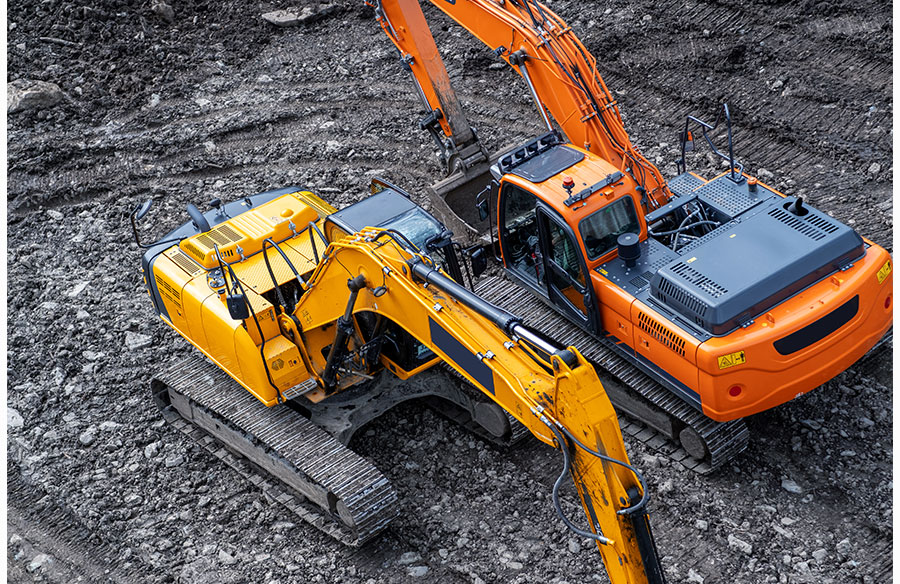
For any construction business, the decision to acquire a new piece of heavy equipment is one of the most significant financial choices to make. At the heart of this decision lies a fundamental question: should you invest in a brand-new machine or opt for a pre-owned one? This cost comparison: new vs. used excavators in construction is not just about the sticker price; it involves a complex analysis of upfront costs, long-term expenses, and operational value. Making the right choice can significantly impact your company’s cash flow, profitability, and ability to compete.
This guide will provide a detailed breakdown of the financial and operational factors to consider when choosing between a new and a used excavator. We will explore everything from initial purchase prices and depreciation to maintenance costs, resale value, and the overall impact on productivity. By understanding the complete picture, you can develop a smart budget plan and make an informed decision that best suits your business needs.
The Big Picture: Total Cost of Ownership
Before diving into specifics, it’s crucial to frame the decision around a single, powerful concept: the total cost of ownership (TCO). TCO is a financial estimate that includes the initial purchase price plus all direct and indirect costs incurred during the asset’s lifespan. Simply choosing the machine with the lower sticker price can be a misleading and costly mistake. A comprehensive TCO analysis for an excavator includes:
- Initial purchase price and financing costs.
- Depreciation.
- Fuel and fluid costs.
- Scheduled maintenance and repair expenses.
- Downtime costs.
- Resale value upon disposal.
Understanding the total cost of ownership: new vs. used excavators is the only way to make a truly sound financial decision.
Upfront Costs and the Depreciation Cliff
The most immediate and obvious difference between new and used equipment is the initial investment.
Upfront Costs of New vs. Used Construction Excavators
A brand-new excavator comes directly from the manufacturer or an authorized dealer with zero hours on the clock and the latest technology. This premium quality comes at a premium price. In contrast, a used excavator that is just a few years old can often be purchased for 25% to 50% less than its new counterpart. For a small or growing business, this difference in upfront costs of new vs. used construction excavators can be massive. Freeing up hundreds of thousands of dollars in capital allows a business to invest in other critical areas, such as hiring more staff, marketing, or purchasing other necessary tools.
Depreciation Rates: New vs. Used Excavators in Construction
Depreciation is the reduction in an asset’s value over time. Heavy equipment, like a new car, experiences its steepest depreciation in the first year of ownership—often losing 20-40% of its value. When you buy a new excavator, you absorb this significant financial hit.
Conversely, when you purchase a used machine, the original owner has already taken the largest depreciation loss. The depreciation rates: new vs. used excavators in construction are much gentler for a machine that is three to five years old. It will hold its value far better, making it a more stable asset on your balance sheet. This is a crucial point for businesses that may want to sell or trade in the machine after a few years.
Maintenance and Long-Term Savings
This is where the new-versus-used debate becomes more nuanced. While a used machine saves you money upfront, it can come with higher maintenance risks if not chosen carefully.
Maintenance Expenses: New vs. Used Excavators in Construction
A new excavator comes with a comprehensive manufacturer’s warranty, typically lasting for one to three years or a set number of operating hours. For the duration of this warranty, any major component failures are covered, providing significant peace of mind and predictable, low maintenance costs. You are essentially protected from catastrophic repair bills during the initial years of ownership.
On the other hand, a used excavator is usually sold “as-is” or with a very limited dealer warranty. You, as the new owner, assume the risk of any component failures. As parts age and wear, the likelihood of repairs increases. Consequently, you must budget for higher potential maintenance expenses: new vs. used excavators in construction. This includes replacing wear parts like hoses, seals, and undercarriage components sooner than you would on a new machine. However, these higher potential costs can be mitigated by choosing a well-maintained machine with a documented service history.
Long-Term Savings with Used Excavators
Despite the higher potential for maintenance costs, the long-term savings with used excavators in construction projects can still be substantial. The massive upfront savings often far outweigh the increased maintenance budget required. For example, if you save $100,000 on the initial purchase, you have a very large buffer to cover potential repairs before you even approach the cost of a new machine. With a thorough pre-purchase inspection and a proactive maintenance program, a used excavator almost always wins from a pure TCO perspective over a five-to-ten-year period.
Operational Efficiency and Productivity
The age of an excavator can also impact its performance on the job site. This is a critical factor that affects your ability to complete work on time and within budget.
Operational Efficiency: New vs. Used Construction Excavators
New excavators come equipped with the latest advancements in technology. This includes more fuel-efficient engines, more sophisticated hydraulic systems, and factory-integrated grade control technology (GPS). These features can lead to higher operational efficiency: new vs. used construction excavators. For instance, a new hybrid excavator might use 25% less fuel than a five-year-old conventional model, resulting in significant daily savings. Likewise, advanced hydraulics can lead to faster cycle times, allowing the machine to move more material per hour.
While an older used machine may not have the latest fuel-saving tech, its operational efficiency can still be very high. A well-maintained, mechanically sound excavator from a reputable brand will perform its core functions—digging, lifting, and loading—just as effectively as a new one for most standard applications. The key is ensuring the machine has been properly cared for.
Productivity Impact: New vs. Used Construction Excavators
The productivity impact: new vs. used construction excavators often depends on the specific task. For precision work that requires GPS guidance, a new machine with an integrated system offers a clear advantage. However, for bulk earthmoving or trenching, the productivity difference between a new and a well-maintained used machine may be negligible. The skill of the operator often has a far greater impact on productivity than the age of the machine. The biggest threat to the productivity of a used machine is unplanned downtime, which again highlights the absolute necessity of a rigorous pre-purchase inspection and ongoing maintenance.
Resale Value and Financing
Your exit strategy and how you plan to pay for the machine are also important components of the financial analysis.
Resale Value Comparison: New vs. Used Construction Excavators
Because new machines depreciate so rapidly at the beginning of their life, their resale value takes a major hit. A used machine, having already passed this steep part of the depreciation curve, will retain a higher percentage of its purchase price when it’s time to sell. The resale value comparison: new vs. used construction excavators clearly favors the used machine as a more stable asset. A high-quality used excavator from a top brand may only lose a small percentage of its value over several years of use, sometimes making the net cost of ownership incredibly low.
Financing Options for New and Used Construction Excavators
Whether you’re buying new or used, most businesses will need to finance the purchase. The financing options for new and used construction excavators are similar, but there are some key differences.
- New Excavators: Lenders often offer lower interest rates and more favorable terms for new equipment because it is seen as a lower-risk asset with a clear warranty.
- Used Excavators: While financing is readily available, interest rates may be slightly higher, and the loan term may be shorter, especially for older machines. Lenders will place a high value on the machine’s condition and the reputation of the seller.
It’s essential to get financing quotes for both options to accurately compare the total cost of the loan over its lifetime.
A Framework for Budget Planning
With all these factors in mind, how do you approach budget planning: new vs. used construction equipment?
- Assess Your Capital: Be realistic about how much capital you can comfortably allocate to an upfront purchase. If cash flow is tight, the lower initial cost of a used machine is a powerful incentive.
- Estimate Your Usage: How many hours per year will the machine run? High-utilization businesses may benefit more from the fuel efficiency and warranty of a new machine. For lower-utilization or support roles, a used machine is often more logical.
- Create a Maintenance Fund: If you opt for a used excavator, immediately set aside a dedicated maintenance fund. A good rule of thumb is to budget 10-15% of the purchase price for potential first-year repairs.
- Factor in Technology: Does your work require the latest GPS or telematics? If so, the cost of retrofitting a used machine might narrow the price gap with a new one that has these features integrated.
Conclusion
In the cost comparison: new vs. used excavators in construction, there is no single right answer for every business.
- A new excavator offers the latest technology, peak fuel efficiency, and the peace of mind of a full warranty. It is an excellent choice for large companies with high utilization rates and a strong focus on having the most advanced, productive fleet possible.
- A used excavator offers dramatic upfront cost savings, a much lower depreciation rate, and a proven track record. It is the ideal choice for small-to-medium-sized businesses, companies with lower utilization needs, or any operation where preserving capital and achieving the lowest total cost of ownership is the top priority.
Ultimately, the decision rests on a careful and honest evaluation of your company’s financial situation, your project requirements, and your tolerance for risk. By looking beyond the sticker price and embracing a total cost of ownership approach, you can confidently choose the machine that will provide the best value and serve as a profitable asset for years to come.