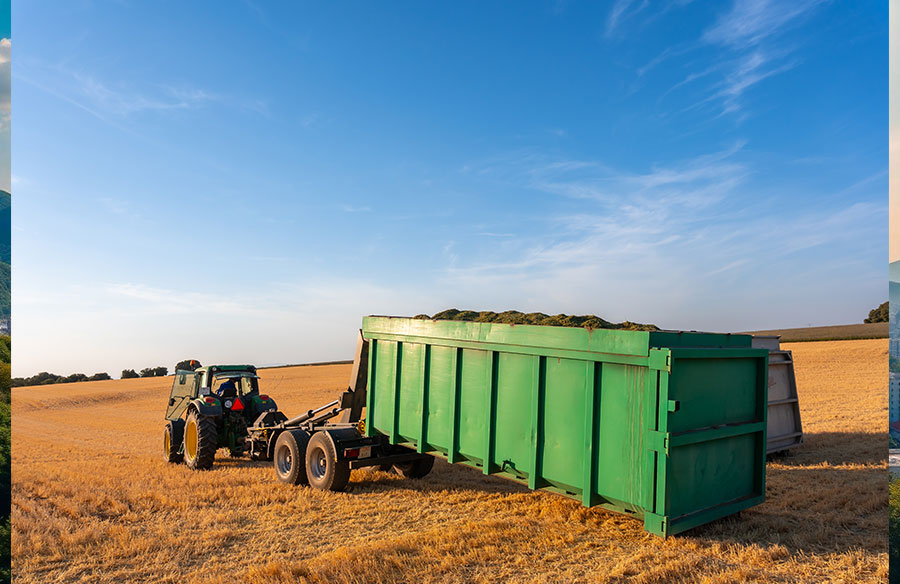
Choosing the right dumpster size is crucial for the success of any project, whether it’s a home renovation, a construction site, or a large event. The first step in selecting the appropriate dumpster is to clearly understand the scope of your project. Consider the type of materials you will be disposing of, the volume of waste, and the duration of the project. For example, a simple garage clean-out will have different requirements compared to a full home renovation or new construction. Analyzing these factors will provide a solid foundation for determining the dumpster size that best fits your needs.
Common Dumpster Sizes and Their Uses
Dumpsters come in various sizes, usually measured in cubic yards, to accommodate different types of projects. Common dumpster sizes include:
1. 10-Yard Dumpster: Ideal for small cleanouts or minor renovations, this size can hold about three pickup truck loads of debris. It is suitable for projects like basement cleanouts, small landscaping jobs, or single-room renovations.
2. 20-Yard Dumpster: A popular choice for medium-sized projects, the 20-yard dumpster can hold roughly six pickup truck loads. It is perfect for larger home renovations, significant landscaping projects, or mid-sized construction jobs.
3. 30-Yard Dumpster: Often used for larger commercial projects or substantial home renovations, this dumpster size can accommodate about nine pickup truck loads. It is an excellent option for full-home renovations or major construction work.
4. 40-Yard Dumpster: The largest standard size, the 40-yard dumpster, is suited for extensive construction projects, large commercial cleanouts, or significant demolition work. It can hold about twelve pickup truck loads of debris.
Selecting the Right Size for Your Waste Type
Not all waste is created equal, and understanding the type of materials you will be disposing of can significantly influence the dumpster size you need. For instance, heavy materials such as concrete, brick, or dirt can quickly fill up a dumpster’s capacity and may require a smaller size than you initially expected. Conversely, lighter materials like cardboard or wood may allow for a larger size without exceeding weight limits.
Be mindful of weight restrictions imposed by the rental company, as exceeding these limits can result in additional fees or complications with disposal. Therefore, accurately assessing the type and weight of your waste can help you avoid costly mistakes and ensure that you choose the right dumpster size.
Estimating Volume: A Simple Formula
To estimate the volume of waste you will generate, consider using a simple formula based on the dimensions of the area you will be cleaning or renovating. Measure the length, width, and height of the space in feet, then multiply these numbers to find the total cubic feet. To convert cubic feet to cubic yards (the measurement used for dumpsters), divide the total by 27 (since one cubic yard equals 27 cubic feet). This estimation will help guide your decision on the appropriate dumpster size.
Consulting with Professionals
If you’re still unsure about which dumpster size to select, consider consulting with waste management professionals. Many dumpster rental companies offer free consultations to help you gauge your needs accurately. They can provide insights based on their experience with similar projects and guide you on the best size based on your specific circumstances. Moreover, they can inform you about any local regulations or considerations that may impact your waste disposal process.
Cost Considerations
The cost of renting a dumpster can vary significantly based on its size, the duration of the rental, and your location. Generally, larger dumpsters come with higher rental fees. However, it’s essential to remember that choosing a dumpster that is too small can lead to multiple trips or overflow, which may ultimately increase your costs. Conversely, renting a larger dumpster than necessary may lead to paying for unused space. Therefore, it’s vital to balance your needs with your budget when selecting a dumpster size.
Planning for Accessibility
When choosing a dumpster size, consider the space available for placement. The dumpster must be easily accessible for delivery and pick-up while not obstructing driveways or pedestrian pathways. If you have limited space, you may need to select a smaller dumpster or consider alternative placement options, such as securing a permit for placement on public streets. Adequate planning for accessibility can help ensure a smooth rental experience and facilitate efficient waste disposal.
Understanding Local Regulations
Before renting a dumpster, familiarize yourself with local regulations regarding waste disposal. Different municipalities may have specific rules about what can be disposed of in a dumpster, weight limits, and placement. Some areas may require a permit for dumpster placement, especially if it obstructs public pathways. Checking these regulations beforehand can save you from potential fines or complications during your project.
Finalizing Your Choice
After considering all these factors, you should have a clearer idea of which dumpster size will work best for your project. Remember to account for waste volume, type, weight limits, budget, accessibility, and local regulations. By carefully evaluating these aspects, you will be better equipped to select the right dumpster size, ensuring that your project runs smoothly and efficiently.
Choosing the correct dumpster size is not just a matter of convenience; it can greatly affect the efficiency of your project and your overall satisfaction. By understanding your needs and making informed decisions, you can streamline the waste disposal process and focus on what truly matters—completing your project successfully.