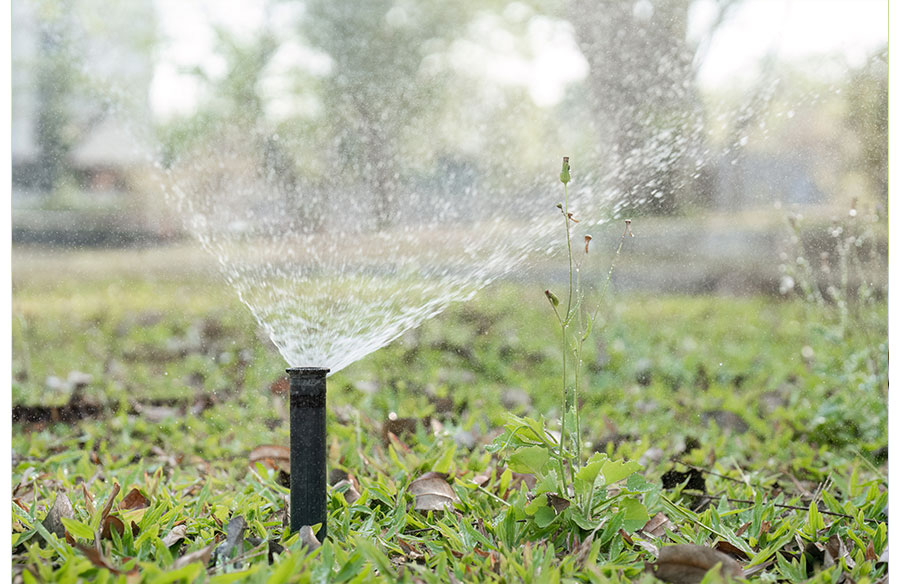
An integrated irrigation and drainage system keeps a landscape balanced, healthy, and resilient year-round. These two systems work together like the body’s circulatory system, one delivers the right amount of water where it’s needed, and the other removes excess water that can cause harm. When designed correctly, they protect your soil, support plant growth, and prevent damage to your property during both dry and rainy seasons.
Why Irrigation and Drainage Need to Work Together
A common mistake homeowners make is treating irrigation and drainage as separate concerns. In reality, they rely on each other to maintain the right balance of moisture. Irrigation supplies water, while drainage ensures that water doesn’t linger long enough to drown plant roots or damage structures.
If an irrigation system runs efficiently but there’s no drainage plan, rainwater or excess runoff can saturate soil, leading to erosion and unhealthy roots. Likewise, a great drainage system won’t help much if irrigation is uneven or wasteful. Integrating both systems creates a consistent cycle that adapts naturally to weather and soil conditions.
The Role of Drainage in Landscape Health
Drainage protects your landscape by moving water away from areas where it doesn’t belong. Heavy rainfall or overwatering can cause puddles, compact soil, and mold growth. Over time, this can suffocate roots, attract pests, and cause structural problems such as cracked foundations or uneven patios.
Effective drainage uses multiple techniques:
- French drains redirect surface and subsurface water through gravel-filled trenches.
- Channel drains collect runoff from patios, driveways, or pool decks.
- Surface grading creates a gentle slope that naturally guides water away from structures.
A well-designed system ensures that every drop of water has a controlled exit route, preventing pooling and erosion.
How Irrigation Supports Growth
While drainage removes excess water, irrigation provides the precise amount plants need to grow. In North Texas, where long dry spells are common, a reliable irrigation system helps maintain soil moisture and plant health.
Modern irrigation systems use smart controllers, drip lines, and moisture sensors to adjust watering schedules based on real-time conditions. These technologies prevent overwatering, conserve resources, and ensure consistent hydration even in hard-to-reach areas.
Drip irrigation, in particular, delivers water directly to plant roots, reducing evaporation and runoff. It’s especially useful for flower beds, gardens, and areas near hardscape where sprinklers might waste water.
The Connection Between Soil Health and Water Flow
Healthy soil acts like a sponge. it absorbs, retains, and filters water naturally. When soil is compacted or poorly drained, roots can’t get enough oxygen, and water tends to collect on the surface.
An integrated irrigation and drainage system restores the soil’s natural balance. Drainage removes excess water that prevents root development, while irrigation keeps the topsoil moist enough for beneficial organisms to thrive.
In clay-heavy regions like North Texas, this balance is critical. The soil expands when wet and contracts when dry, stressing both plants and hardscape. A coordinated system minimizes these fluctuations, keeping the ground stable year-round.
The Benefits of a Smart, Integrated System
A properly designed system saves water, time, and long-term repair costs. When irrigation and drainage are planned together, they create a landscape that can adapt naturally to seasonal changes.
Some key benefits include:
- Healthier plants: Consistent soil moisture prevents stress and disease.
- Improved efficiency: Smart irrigation controllers reduce waste by adjusting to rainfall or temperature changes.
- Erosion control: Water runoff is managed before it can damage lawns or foundations.
- Longevity: Hardscape, lawns, and root systems last longer with balanced water levels.
- Sustainability: Less water waste supports environmentally responsible landscaping.
This combination ensures your property looks vibrant while remaining low-maintenance and cost-efficient in the long run.
Seasonal Adjustments Keep Systems Performing Year-Round
Landscapes change with the seasons, and your irrigation and drainage systems should too. During spring and summer, irrigation demands increase as temperatures rise. Fall is the time to check drainage for debris buildup before heavy rains, and winter is perfect for system maintenance and inspections.
Smart irrigation systems can adjust automatically throughout the year, but it’s still important to inspect components regularly. Clearing drains, checking emitters, and adjusting schedules keep the system working efficiently in every season.
Signs of Poor Integration Between Irrigation and Drainage
A few early warning signs can reveal when systems aren’t working together properly:
- Standing water after rainfall or watering sessions.
- Areas of the lawn that stay muddy, while others stay dry.
- Patches of dead or yellow grass.
- Water pooling near patios, driveways, or foundations.
- High water bills with no visible landscape improvement.
These signs indicate that your irrigation and drainage systems are working against each other instead of in balance. An experienced professional can redesign them to operate as one cohesive system.
Integrating Systems During New Landscape Installation
The best time to integrate irrigation and drainage is during new landscape design and installation. This allows both systems to be planned around the property’s grading, plant selection, and hardscape. Pipes, valves, and drains can be installed at the correct depths and slopes, ensuring optimal water movement.
Integrating these systems from the start prevents the need for future excavation and costly retrofits. It also ensures that every feature of your yard, plants, patios, lighting, and outdoor living spaces benefits from the same coordinated water management.
Technology’s Role in Modern Water Management
Modern technology has made irrigation and drainage more efficient than ever. Smart controllers use local weather data to determine how much water your landscape actually needs. Some systems even connect to mobile apps, allowing you to monitor usage and detect leaks in real time.
Drainage sensors can also detect pooling and automatically trigger adjustments in irrigation timing. Together, these tools create a responsive system that adapts to rainfall and temperature fluctuations, reducing water waste and promoting long-term landscape health.
Long-Term Payoff of an Integrated Approach
Landscaping isn’t just about short-term beauty; it’s an investment in the long-term health of your property. By pairing irrigation and drainage, you protect every part of that investment, from your soil and plants to your home’s foundation.
This integration leads to fewer repairs, lower maintenance, and a more stable outdoor environment. Over time, your yard becomes more resilient, your plants stronger, and your property value higher.