
The once-structured rhythm of office life, meetings, memos, and in-person updates—has evolved into a fast-paced, always-connected digital landscape. Teams now operate globally, projects stretch across time zones, and communication flows through countless online channels. As a result, organizations face a growing challenge: how to stay connected, productive, and aligned in an environment that never stops changing.
Why Traditional Tools Fall Short
Old-fashioned tools like long email chains and static spreadsheets can no longer keep up with the demands of modern teamwork. They create information silos, delay decisions, and make transparency difficult across departments. When employees spend more time hunting for information or clarifying tasks than actually completing them, productivity drops—and so does engagement. This reality has made the shift toward smarter, integrated work platforms not just beneficial, but necessary.
The Rise of Modern Work Platforms
Modern work platforms have become the foundation of organizational success. They bring together communication, project management, data sharing, and analytics into a single connected ecosystem. These tools bridge the gap between people and technology, enabling information to move seamlessly across every phase of a project. Far beyond simple task trackers, they serve as strategic engines—helping leaders monitor progress, allocate resources effectively, and maintain accountability with clarity and ease.
The growth of hybrid and remote work has made these platforms more vital than ever. Teams may no longer share a conference room or office space, but collaboration still needs to flow effortlessly. This is where modern digital solutions excel. With real-time updates, cloud accessibility, and smart automation, they empower teams to stay productive from anywhere. The result? Faster decisions, greater transparency, and an agile organization ready for change.
Today’s professionals expect their tools to support them, not slow them down. User experience has become key. Platforms that are intuitive, flexible, and visually engaging do more than streamline processes—they boost engagement and satisfaction. When communication is simple and collaboration feels natural, teams can focus less on managing systems and more on achieving meaningful results.
Digital transformation isn’t just about adopting new tools—it’s about building a culture of connection, accountability, and shared purpose. The most successful organizations aren’t those that simply work harder, but those that work smarter—using the right platforms to unite people, ideas, and goals in one cohesive flow.
Platforms Worth Considering
Botsify
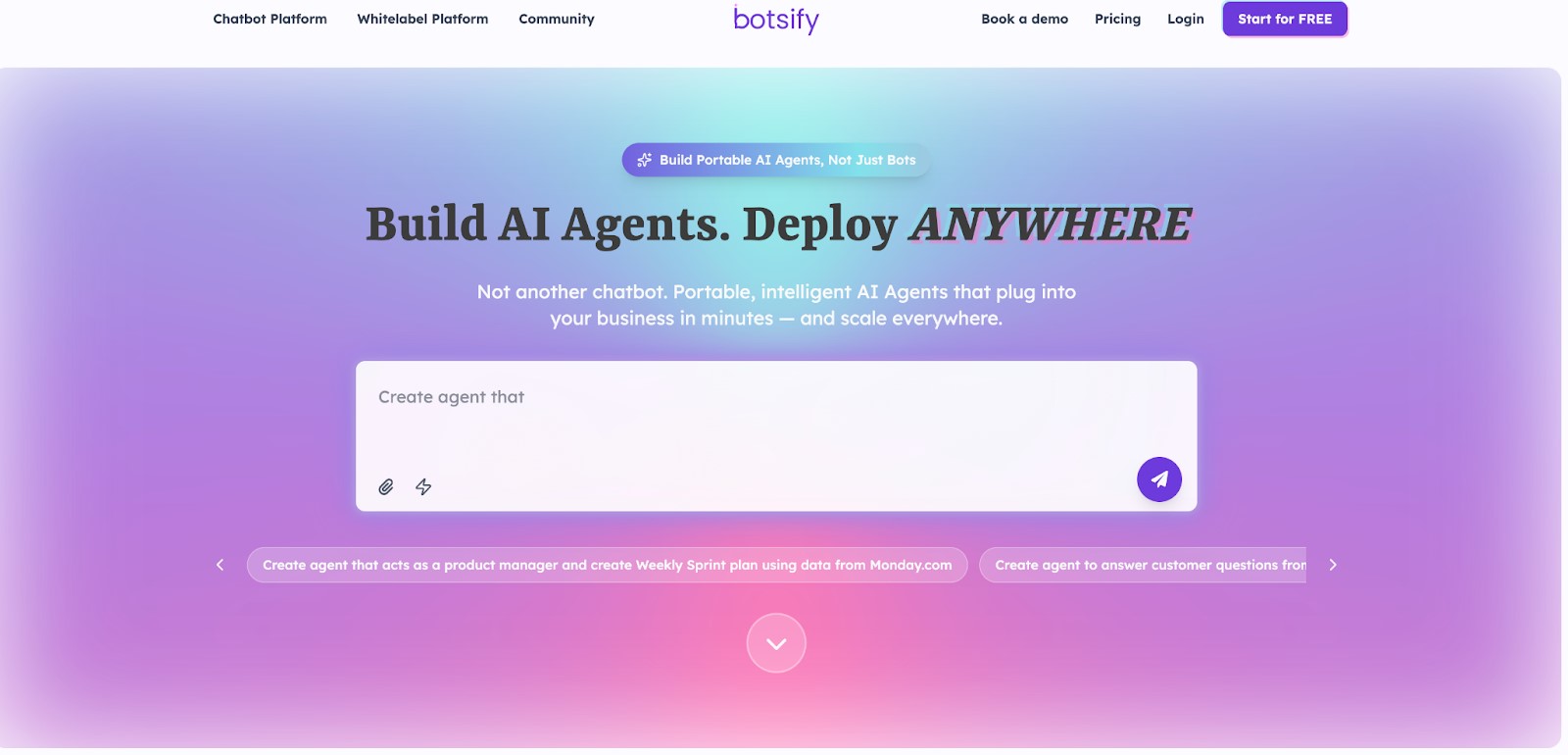
Botsify empowers businesses to automate customer conversations through intelligent AI chatbots designed for websites, messaging apps, and customer support systems. Built for organizations seeking to streamline communication, it enables teams to deliver 24/7 assistance without compromising personalization or accuracy.
With Botsify, users can design and deploy chatbots for platforms like Facebook Messenger, WhatsApp, Telegram, and Slack—all without deep technical skills. The platform’s drag-and-drop interface, natural language processing (NLP) capabilities, and human-handover options make it ideal for both lead generation and customer service.
Botsify also offers advanced automation tools such as conversational forms, live chat integration, and chatbot analytics—helping businesses track user intent, measure engagement, and refine their messaging. By integrating seamlessly with CRM and marketing systems like HubSpot, Salesforce, and Zapier, it ensures every interaction contributes to customer insight and retention.
 Key Benefits:
- Build and deploy chatbots across multiple platforms (web, WhatsApp, Messenger, and more)
- Collect leads and support customers automatically using AI-driven conversations
- Monitor and analyze performance with detailed chatbot analytics
- Seamless integration with CRM, email, and marketing tools
Best Suited For:
Customer support teams, marketing professionals, and businesses looking to scale engagement, reduce response time, and improve customer satisfaction through automated, intelligent chat experiences.
Canea
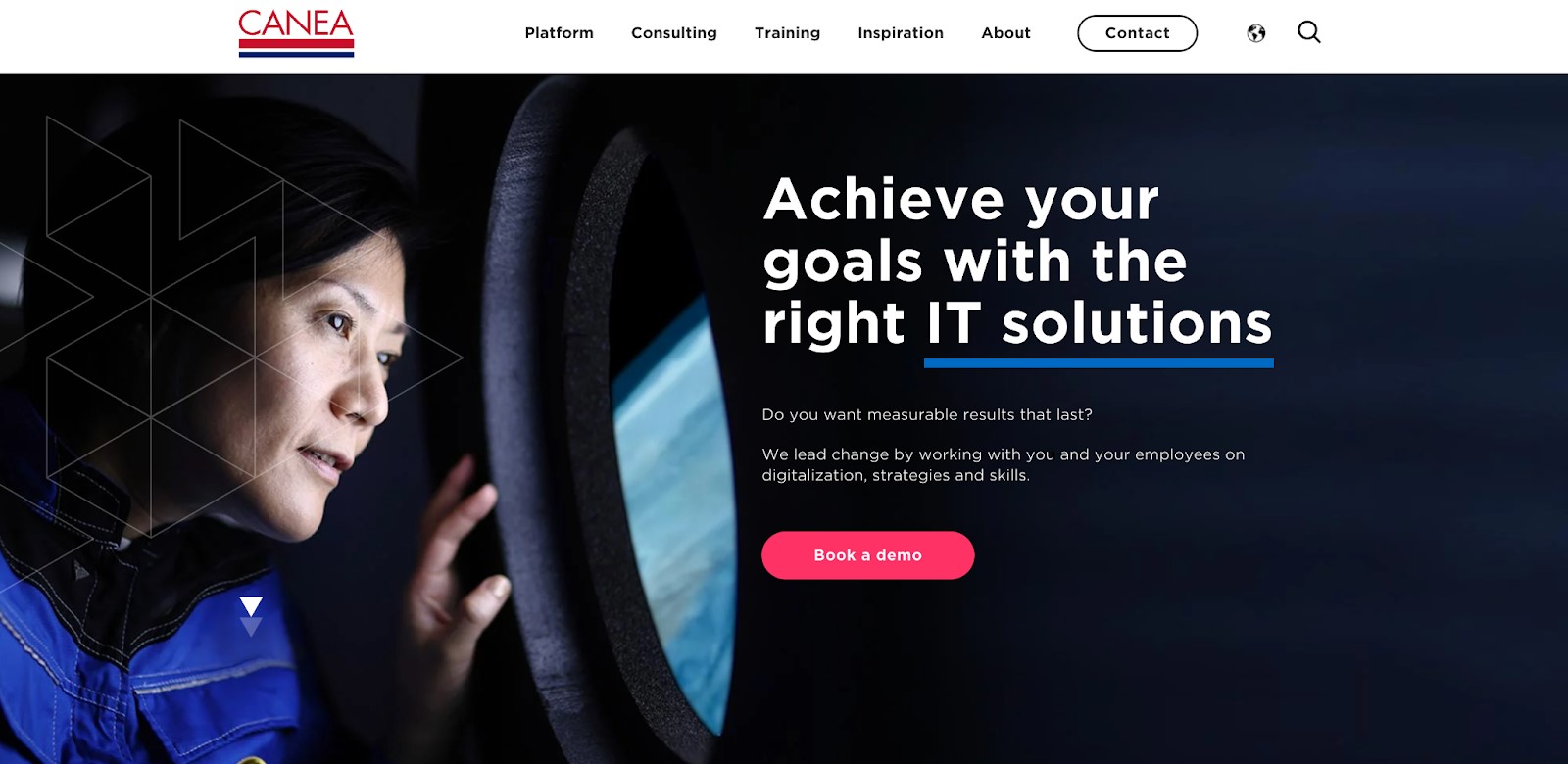
Canea helps organizations improve performance through powerful process and project management solutions. Designed to streamline workflows, it combines strategy execution, document management, and process automation in one integrated platform.
With Canea, businesses can visualize their goals, track progress, and ensure continuous improvement using data-driven insights. The platform supports collaboration across departments, making it easier to manage projects, ensure compliance, and maintain quality standards.
 Key Benefits:
- Centralized platform for strategy, process, and project management
- Real-time tracking and performance analytics
- Improves collaboration and workflow transparency
- Ensures compliance with quality and operational standards
Best Suited For:
Organizations aiming to improve efficiency, quality control, and strategic alignment across teams.
Workast
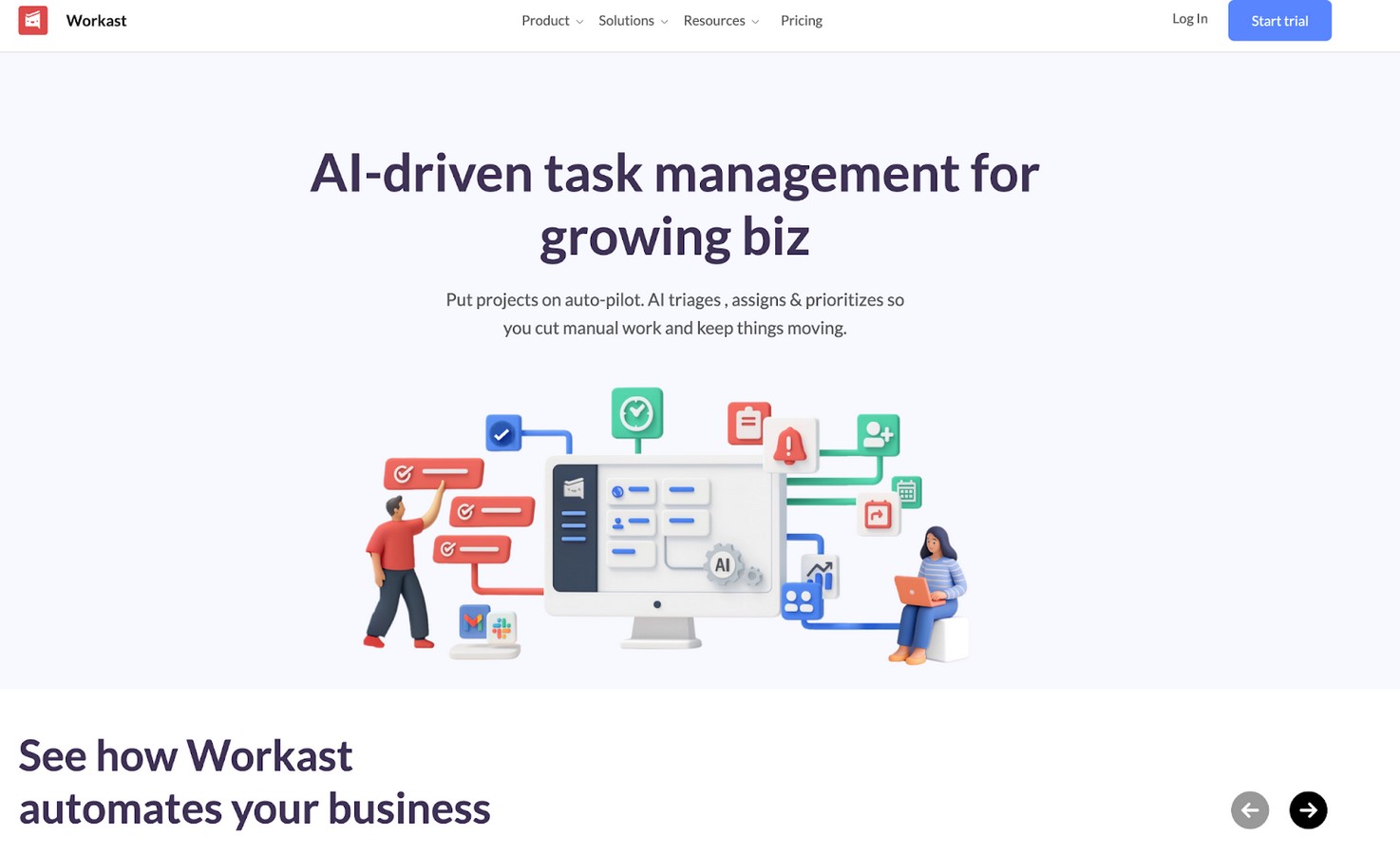
Workast simplifies project and task management for teams using Slack or Microsoft Teams. It helps businesses organize daily work, assign tasks, set deadlines, and track progress—all from within their chat platform.
Its user-friendly design allows teams to manage projects, share files, and automate workflows without switching apps. With dashboards, reports, and reminders, Workast keeps everyone aligned and accountable, boosting productivity and communication.
 Key Benefits:
- Task and project management directly integrated into Slack or Teams
- Automated reminders and progress tracking
- Customizable dashboards and reports for performance insights
- Boosts team collaboration and productivity
Best Suited For:
Remote teams, startups, and businesses that rely on Slack or Teams for daily communication and project coordination.
Conclusion
Modern work platforms are more than just tools—they’ve become the backbone of smarter, more connected, and highly efficient workplaces. By integrating data-driven insights, visual management, and real-time collaboration, they enable teams to operate with greater clarity and purpose.
In a world where agility and adaptability define success, these platforms help organizations stay ahead—simplifying processes, enhancing motivation, and fostering a culture of transparency and accountability that fuels long-term growth.