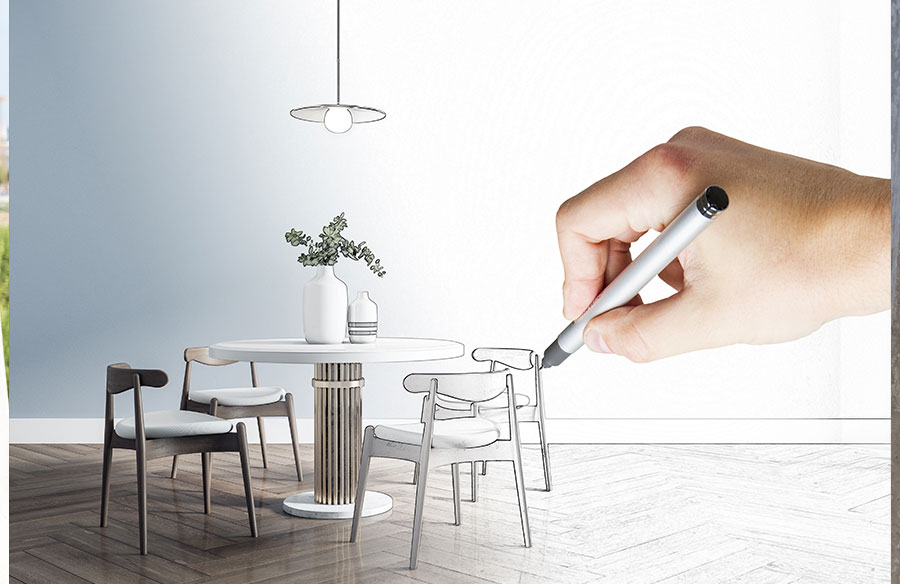
Designing furniture has always been a balancing act — looks versus comfort, imagination versus reality. But today, everything’s changing. Sketches and messy prototypes are giving way to pixels, light, and smart 3D rendering services. Designers can now see their ideas come alive before cutting a single piece of wood.
From Sketch to Something You Can Feel
Think of the Eames Lounge Chair. Decades ago, every prototype meant hours of woodworking, testing, and reworking. Today? A designer can model it in 3D, adjust the angle of the backrest, tweak cushion thickness, and even simulate leather texture digitally. The result: the perfect balance of comfort and style before a single screw is used.
3D rendering makes ideas feel real. You see the sheen of wood, the grain of leather, even how light slides across the surface. It’s not just visual — it’s almost tactile.
Design That Speaks to People
Rendering doesn’t just show furniture — it gives it personality. A Noguchi coffee table can be lit to highlight its sculptural base, or a Tolix chair can pop against a virtual café background. Designers can ask the hard questions: Does this lounge chair look cozy enough? Will the dining table actually open up a room? How does this piece interact with light and surrounding décor?
Tweaking digitally ensures every detail clicks. By the time it exists physically, it feels like it belongs perfectly in space.
Collaboration Made Simple
Sharing ideas used to be messy. Blueprints confused clients. Sketches got lost. Now, a 3D render says it all. Teams working on a new modular sofa, like the IKEA SÖDERHAMN series, can see exactly how pieces fit together, how cushions compress, and how fabrics drape — without waiting for a prototype.
This clears confusion, speeds decisions, and keeps everyone on the same page. Even across continents, rendering becomes a universal visual language.
Smart, Sustainable Design
Prototypes are expensive and wasteful. Want to test the vibrant velvet of a Barcelona Chair or simulate the effect of light on a glass table? Render it digitally.
This lets designers experiment without wasting materials. Bamboo, recycled fabrics, or sustainable woods can be tried virtually, cutting costs and reducing environmental impact.
Clients Can Step Inside the Design
Clients don’t just want to see furniture — they want to experience it. Imagine a client placing a virtual Eames Chair into their living room via AR, or swapping colors on a rendered Florence Knoll sofa. They can walk around, change fabrics, and move pieces until it feels right.
This builds excitement, trust, and clarity. Everyone sees the final look and feel before a single piece is built.
Designers as Storytellers
Modern furniture design is about experience, not just objects. VR, AR, and interactive models let designers craft how people feel in a space. A rendered Noguchi table under morning light, with a thin shadow pattern cast across the floor, tells a story far better than a flat sketch ever could.
Rendering enhances craftsmanship. Designers perfect form, color, and texture digitally, so the real-world piece matches the original vision perfectly.
Shaping the Industry
Visualization is leveling the playing field. Small studios can compete with big brands. Students graduate with portfolios full of cinematic renders. Designers can experiment freely, clients can preview immersive designs, and even classic furniture can be reimagined digitally before production.
3D rendering isn’t just a tool — it’s the new language of furniture design.
The Future of Furniture Design
Rendering tech keeps getting better. Honestly, it’s tough to tell what’s real and what’s digital now. With real-time visualization, AR apps, and VR walkthroughs, clients can move furniture, play with colors, and experiment with materials — all before they decide on anything. Designers aren’t just sketching on paper now, they’re diving into complicated ideas, seeing exactly how light plays in a space, and swapping updates with team members across the globe in no time.
Furniture design isn’t what it used to be. It’s more interactive, more sustainable, and a lot more accurate. Thanks to 3D rendering, designers push their ideas further, clients actually see what they’re getting, and the whole industry moves faster. This isn’t just some passing trend. This is where things are headed — how we’ll all imagine, create, and live with the stuff that fills our spaces.
Personalization Gets Real
3D rendering has totally changed how we personalize furniture. Designers aren’t boxed in by a handful of options anymore — they can show clients every possibility, from fabrics and finishes to entire room setups. Clients get to play around, swap things out, and make the design feel like their own. It goes way beyond just matching someone’s style; it helps them feel connected to what they’re bringing into their space.
Turning Ideas Into Reality
Speed is everything in furniture design. 3D rendering lets designers sketch out prototypes and test new ideas in no time. Want to tweak something? Go for it — you can see the changes right away. This means ideas turn into real products faster, so companies stay ahead of trends and get new pieces out there before anyone else.
Marketing That Actually Works
Sharp 3D visuals aren’t just pretty pictures — they sell. You see them in online shops, ads, and all over social media. These images help people picture that chair or table right in their own home. When customers can actually see it in their heads, they’re way more likely to buy.
Collaboration Without Borders
Design teams are everywhere now—different cities, different countries, sometimes even different continents. 3D rendering pulls everyone together in one virtual space. Designers, manufacturers, clients—they all get to jump in, pitch ideas, and tweak things as a team. It keeps everyone on track and the creative energy flowing.
Designing With the Planet in Mind
Sustainability matters now more than ever. With 3D rendering, designers can try out green materials and new production methods without making a bunch of physical samples. Less waste, less energy, and a smarter way to create furniture that’s good for the planet.
When Imagination Meets Reality
Furniture still comes from wood, metal, and textiles. But the story starts in pixels. 3D visualization connects teams, excites clients, and helps designers iterate faster, dream bigger, and create smarter.