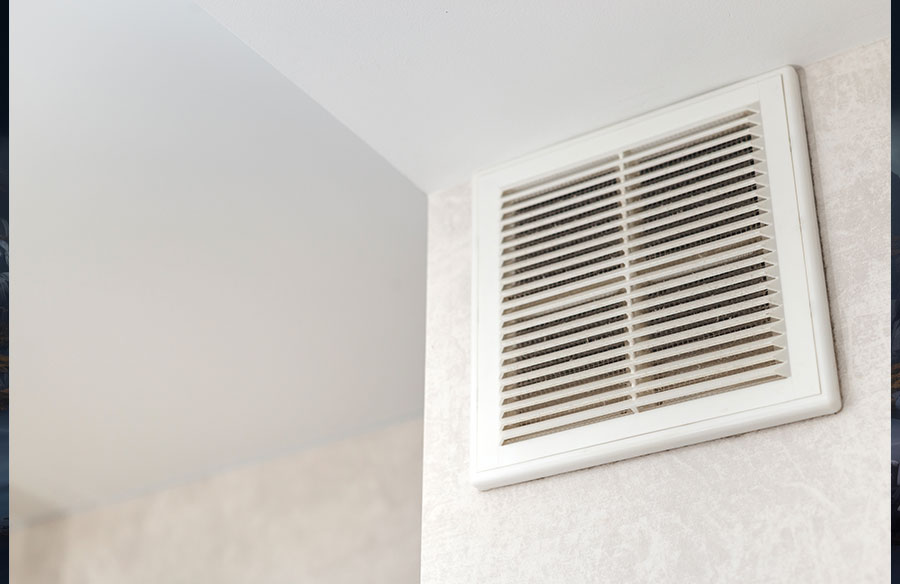
Reduce Indoor Pollutants
I use simple, natural cleaning sprays and keep my floors clean with a vacuum that has a HEPA filter—want to know how else I cut down on indoor pollution? Keep reading.
Use natural cleaning products and avoid synthetic fragrances.
Volatile organic compounds, or VOCs, from cleaners and sprays build up fast in winter. Sealed homes trap these pollutants inside. Using natural cleaners with low-VOC labels cuts chemical exposure and offgassing. Regular air duct cleaning MN services also help remove hidden dust, allergens, and chemical residues that circulate through vents, keeping indoor air healthier.
I pick products like vinegar, baking soda, or eco-friendly brands marked “Green Seal” or “Safer Choice.” Paints and carpets can also release VOCs; letting fresh air in helps lower this risk.
Synthetic fragrances make indoor air worse by adding more environmental toxins. Air fresheners, scented candles, and spray deodorizers raise allergen levels for people sensitive to chemicals.
Studies show higher rates of asthma and throat irritation linked to these additives. I leave strong-smelling items out of my home and store harsh products outside the living space, such as in a garage or shed—not indoors where we breathe every day.
Vacuum regularly with a HEPA filter and dust with a damp cloth.
Vacuuming floors and carpets with a HEPA filter traps tiny particles, like dust, mold spores, and pollen. MERV 11 to MERV 13 filters catch allergens as small as 0.31 micrometers in Minnesota homes.
Using a damp or microfiber cloth for dusting grabs more indoor air pollution compared to dry rags—this helps remove particulates coated with chemical fumes from cleaners and synthetic scents.
I vacuum rugs twice each week to lower allergen buildup and keep my home cleaner.
Replacing or cleaning HEPA filters every one to three months works best if you have pets or several people at home. Housecleaning cuts the risk of lung disease by removing tobacco smoke residues, mold spores, and other bad stuff linked with stroke and heart attack.
Dust control stays easier when I use these tools often; fresh air is only possible if I clean up first before ventilating while cooking next.
Properly ventilate when cooking and avoid burning candles or fireplaces indoors.
I use exhaust fans or open windows for a few minutes every time I cook. Cooking inside, especially in winter, raises carbon dioxide and fills the air with tiny particles. Lighting candles or fireplaces indoors releases particulate matter and chemicals like benzene into the air.
Burning wood or using natural gas appliances can also give off carbon monoxide, which is dangerous to health.
To cut indoor pollution, I avoid burning candles or starting up the fireplace. If someone must burn anything inside, working smoke alarms and yearly-tested carbon monoxide detectors are important.
I want good air quality at home—ventilation protects against emissions from stoves and heating sources too. Now let me share how to bring in fresh outside air even during Minnesota winters….
Ensure Proper Ventilation
Fresh air flow matters, especially with Minnesota’s changing seasons—bad air can build up fast indoors. I watch my HVAC system and filters closely…good ventilation keeps allergies low and helps every room feel comfortable.
Open windows briefly to circulate fresh air.
I open my windows for 10 minutes each day to circulate fresh air. This quick step boosts airflow and drops indoor pollutant levels. In winter, with homes sealed tight in Minnesota, even a short window opening keeps air quality better.
I always check AirNow.gov before I do this if smoke or pollution is outside. If the outdoor air looks clear, I use this method to improve ventilation. Using fans and keeping vents open helps move clean air through my rooms for better breathing space and environmental health.
Install a heat recovery ventilator (HRV) for efficient air exchange.
A heat recovery ventilator, or HRV, lets me bring in fresh air while saving energy. In Minnesota’s cold winters, an HRV keeps warm air inside but pushes out stale indoor air at the same time.
This system uses a heat exchange core that transfers warmth from outgoing air to incoming fresh air. My heating bills stay lower because I do not lose indoor heat.
Smart sensors can control my ventilation system by tracking pollution levels indoors. The HRV turns on when pollutants like dust or smoke go up; it shuts off to save power when extra airflow isn’t needed.
With efficient climate control and better comfort levels, my home always gets clean, filtered outside air no matter how cold it is outside.
Replace air filters regularly and consider professional duct cleaning.
After setting up a heat recovery ventilator, I always swap out my HVAC or furnace filters every 1 to 3 months. Households with pets or high traffic need filter changes more often for good air quality and filtration.
MERV-13 filters remove most airborne pollutants and allergens; if the system cannot handle these, I use two MERV-11 filters in a row for better dust removal.
Ductwork collects mold, pests, and heavy dust over time. Professional duct cleaning is crucial every 3 to 5 years, using NADCA-certified technicians who rely on strong HEPA-filtered vacuums and agitation tools.
Homes with smokers, pets like dogs or cats, or recent renovations need it done every 2 to 3 years. I inspect ventilation systems before cleaning; leaks or moisture issues get sealed first so re-contamination cannot happen again.
These steps keep indoor air safe in Minnesota’s climate while helping prevent mold growth inside the ducts.
Control Humidity Levels
Managing humidity keeps your air safe by stopping mold and dust mites—both big triggers for allergies. I use a dehumidifier in the summer and a humidifier during dry, heated winter months to balance moisture levels inside my home.
Use dehumidifiers in humid months and humidifiers in dry months.
I use dehumidifiers in summer because moisture rises inside my home. This stops mold and dust mites from growing fast. My air stays safe, and I feel more comfortable on hot days. In June, July, and August, humidity often goes above 60 percent in Minnesota.
During winter months like December through February, the heat dries out indoor air. To fix that problem, I turn on a whole-home humidifier to keep levels between 30 percent and 50 percent.
Dryness drops when I do this; nosebleeds and itchy skin also happen less often. Smart systems with real-time sensors help me adjust humidity all year without guessing or checking dials every hour.
Repair plumbing leaks and seal air leaks to prevent moisture buildup.
I check for plumbing leaks under sinks, near toilets, and in basements. Fixing these leaks right away stops water from collecting in walls or floors. Water buildup can cause mold and bacteria to spread fast.
Mold grows even faster during humid Minnesota summers.
Sealing air leaks around doors, windows, and ductwork blocks moist outside air from sneaking inside. After I clean ducts, I make sure to seal any gaps so dust mites and mold spores cannot get back into the system.
Air sealing also improves indoor air quality and keeps humidity at healthy levels all year long. This simple moisture management step lowers the risk of costly damage later on.
Use Air Purifiers
I add HEPA air purifiers to rooms where I want extra clean air—allergies can be tough in Minnesota. If you have central HVAC, a whole-home filtration system helps keep dust and pollen out of every corner.
Choose portable HEPA air purifiers for specific rooms.
I pick portable HEPA air purifiers for bedrooms and living rooms. These units capture allergens like pet dander, mold spores, and pollen down to 0.31 micrometers. My purifier runs daily during allergy season or wildfire events; I notice less dust on surfaces in these areas.
Portable HEPA units remove smoke, odors, and fine particles that affect respiratory health. I use one with a true-HEPA filter for best air filtration results in each room. It helps keep clean air steady even if outdoor air quality drops or inside dust mites spike.
Consider installing a whole-home air filtration system.
A whole-home air filtration system connects to the HVAC unit. This setup cleans the air in every room, not just one space. I use MERV-13 filters for top protection; they trap tiny pollutants like pollen, dust mites, and smoke particles.
Smart sensors make daily life easier by checking pollution levels and adjusting airflow as needed.
The system also keeps ductwork clean and helps prevent buildup inside vents. Cleaner ducts mean fewer allergens floating around my home. With this type of air purification, I can improve both comfort and safety indoors all year long—essential in Minnesota’s changing seasons.
Next up: keeping an eye on outdoor Air Quality before letting fresh air inside.
Monitor Outdoor Air Quality
I keep an eye on daily air quality conditions from trusted sites like AirNow.gov and my local weather app—both make it easy. On days when pollution or allergens spike, I stay indoors with the windows closed…
avoiding those sneaky outdoor particles that try to drift inside.
Stay updated on air quality alerts using trusted sources like AirNow.gov.
I check AirNow.gov and the Minnesota Pollution Control Agency for daily air quality updates. These reliable sources use sensors to track pollution, wildfires, and outdoor conditions across Minnesota.
On days with high levels of smoke or other pollutants, I get alerts fast; this helps me protect my health. Smart home sensors also send updates when outdoor air affects indoor conditions, such as during a wildfire event in June 2023 that raised PM2.5 levels over 150 AQI in Minneapolis.
To stay safe on poor air days, I avoid heavy outdoor activities until the alert passes. Next, limiting time outside is key during these events to reduce exposure risks.
Limit outdoor activities during poor air quality days.
After I check air quality alerts from AirNow.gov, I use that information to plan my day. Days with air pollution or wildfire smoke mean poor environmental quality outside. On those days, I stop outdoor exposure and move all physical activity indoors.
A protective mask is important if I must go out for groceries or work.
Staying inside cuts the risk to respiratory health by keeping away from pollutants like ozone and fine dust. This step protects children, older adults, and anyone with asthma or breathing problems.
Outdoor activities may seem harmless but skipping just 1 afternoon outdoors can prevent symptoms like coughing or shortness of breath. Limiting time outside during these events keeps my indoor air safer too because fewer particles come in through doors and windows.
Conclusion
Clean air at home is possible in Minnesota, even with tough winters and humid summers. I use HEPA filters, check my HVAC system every 3 months, and run dehumidifiers when the weather gets sticky.
Opening windows for 10 minutes boosts fresh air flow and keeps indoor pollution low. On bad pollen days, I watch AirNow.gov for alerts before heading outside. These steps work together to reduce allergens and make breathing easier indoors—every season of the year matters.