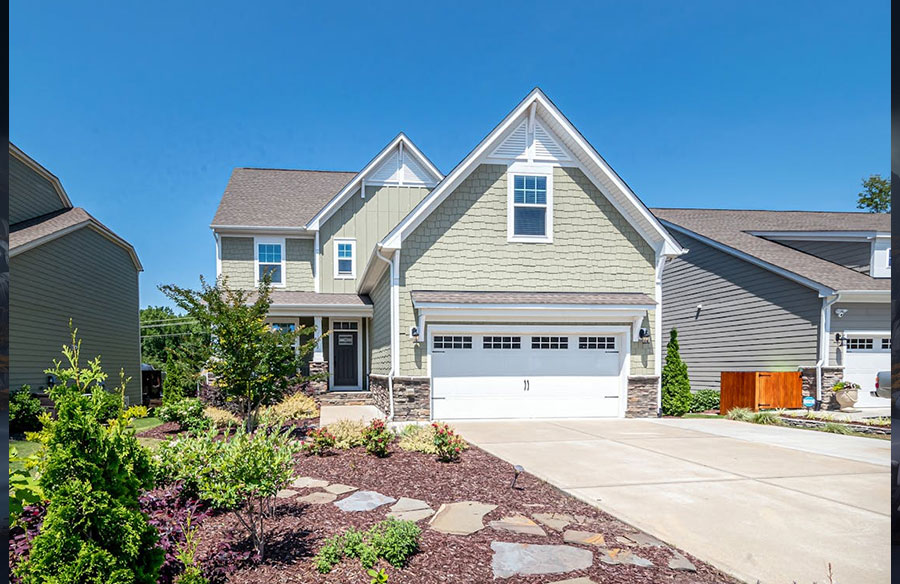
Homes are beginning to feel personal again. The rush to match design trends is slowing down, replaced by a quieter approach that focuses on comfort and longevity. Instead of quick changes that lose appeal within months, people are choosing updates that fit how they actually live.
Refreshing a home today means putting your energy into what matters most. Simple choices like a softer color, an updated fixture, or a well-chosen fabric can change how a space feels without stripping away what makes it familiar. The best spaces grow with you rather than follow the pace of passing styles.
Beginning Upgrades from the Top Down
Every refresh should start with structure. Paying attention to what holds the home together makes every other change more meaningful. The walls, roof, and foundation can make or break how the home looks and how it feels. Repairing or updating these areas adds stability and gives a clean foundation for aesthetic updates. Small cosmetic changes mean little if the main structure feels neglected.
For many homeowners, this starts with reaching out to a trusted roof replacement company. A new or repaired roof can completely change how a home presents itself both inside and out. It creates a sense of security while giving the exterior a renewed, cared-for look. Once that’s in place, smaller updates like repainting or rearranging furniture start to feel more cohesive because the home already feels steady at its core.
Repainting With Shades That Outlast Seasons
Color trends come and go quickly, but tones that carry warmth and subtlety tend to last. Choosing paint colors that merge well with natural light and existing materials helps create a timeless look. Soft whites, muted grays, and warm neutrals give flexibility and make it easy to shift accents later without needing to repaint the entire space.
Updating baseboards, ceilings, and trims in complementary shades adds quiet structure to a room. Some homeowners experiment with tone-on-tone combinations to bring depth without harsh contrast.
Introducing Subtle Pattern
Pattern doesn’t always need to be bold to make an impact. Soft, understated designs can add texture and movement without overwhelming a space. Small-scale prints on curtains, rugs, or upholstery bring character while keeping the room calm. Patterns like herringbone, pinstripes, or handwoven textures work well because they feel familiar and adaptable over time.
This approach keeps the home visually interesting without locking it into one theme. Patterns that stay within a limited color palette or share similar tones create quiet layers rather than competition. Choosing subtle designs also means they won’t feel dated in a year or two.
Using Soft Dividers to Redefine Open Spaces
Open layouts have become common, but they often leave areas feeling undefined. Soft dividers, like shelving units, folding screens, or lightweight curtains, can help shape those spaces without closing them off. They add gentle separation, making each area feel purposeful while keeping the flow natural.
Dividers made from materials like wood, linen, or glass create flexibility. They can move or change as the room’s use evolves. For example, a freestanding bookshelf can split a living and dining area while still keeping both visible.
Restoring, Not Replacing, What Still Works
The charm of an older home often hides in its imperfections. Instead of removing what feels dated, restoring key features gives them a second life. Refinishing wood floors, repairing vintage hardware, or re-staining cabinets preserves the home’s original personality while keeping it functional.
Choosing restoration over replacement also brings a sense of continuity. When original materials are kept and maintained, they connect the home to its story. A polished surface or reworked fixture can blend seamlessly with newer additions, creating a layered look that feels authentic.
Making Comfort the Core of Every Choice
Comfort has become the new standard for home design. Instead of trying to impress, people want rooms that feel inviting and easy to live in. This means softer fabrics, fewer harsh lines, and furniture that fits real life rather than just looking good in pictures. Every choice, from seating to lighting, should make the home feel warm and effortless. When comfort leads the way, even simple spaces start to feel personal and lived-in.
Comfort is also about practicality. Choosing materials that feel good to touch, layouts that allow for movement, and lighting that works for both day and night makes a space feel right without overthinking it.
Building Cohesion Through Repetition
Repeating certain elements, whether a color tone, a type of metal, or a texture, ties rooms together without making them look identical. For instance, using brushed brass fixtures in multiple rooms or keeping a similar fabric tone across furniture can connect spaces in a quiet, subtle way.
Cohesion works best when it leaves room for variation. You can still introduce contrast either through a darker rug in a light room or a wood tone that stands out, as long as the overall palette feels steady.
Refreshing Entryways as a Daily Welcome
Refreshing this space can be as easy as adding a new rug, updating lighting, or placing a small table with plants or art. LITTLE touches make coming home feel welcoming and intentional. A clean, well-lit entryway instantly gives the impression of order and calm, even if the rest of the house is still evolving.
Storage also plays a big role here. Hooks, baskets, and benches help keep things organized and out of sight. When the entryway works smoothly, it reduces clutter and helps the rest of the home function better.
Layering Fabrics for Softness and Depth
Textiles are one of the easiest ways to refresh a room without replacing major pieces. Mixing fabrics with different weights and textures creates a sense of depth that instantly feels cozy. Linen curtains, cotton throws, and wool rugs each bring their own character, helping a space feel more balanced and lived-in.
The trick is to keep layers light and consistent. Too many fabrics can overwhelm, while a few thoughtful layers add quiet richness. A soft blanket over a chair or a new cushion on a sofa can change how a room feels instantly.
Using Natural Light to Redefine Spaces
Letting natural light in through sheer curtains or strategically placed mirrors can shift the way a space feels throughout the day. It highlights colors, adds warmth, and makes rooms feel open even when they’re small.
Artificial lighting, like layering warm lamps, wall sconces, and overhead lights, helps create dimension and comfort after sunset. A mix of lighting styles lets the room adjust to different times of day, keeping it functional but soft.
Refreshing a home can follow what feels honest. True renewal happens in the quiet updates that make living easier: a repaired roof, a repainted wall, a new layer of fabric, or a cleared countertop. Each change shapes a calm, timeless space that continues to evolve at your pace.