In modern architecture, custom metal signs have emerged as powerful design elements that blend creative expression with practical functionality. They elevate structures’ visual appeal while serving essential communication needs.
These innovative architectural features help buildings stand out in urban landscapes and create meaningful connections between people and places. They turn everyday structures into memorable landmarks that tell compelling stories through their visual impact.
Design Impact in Modern Architecture
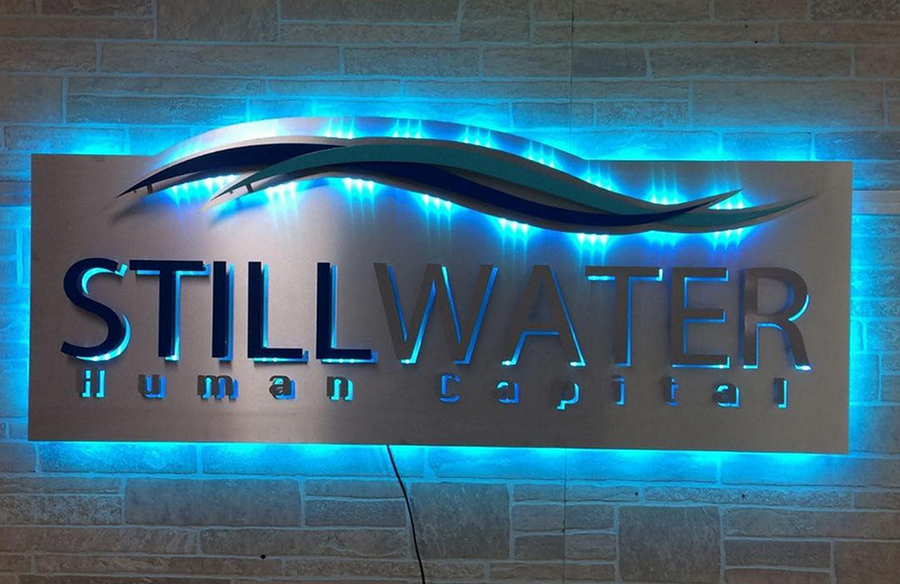
Modern architectural design has been transformed by integrating elegant custom metal signs as striking focal points across building facades. These artistic elements merge creative expression with functional communication, helping structures stand out in urban landscapes.
Through thoughtful placement and innovative design, custom-made metal signs add depth and personality to architectural projects while maintaining their practical purpose. The fusion of form and function creates a lasting impression on visitors and passersby, turning ordinary buildings into memorable landmarks.
Metal’s inherent properties allow designers to craft signs that complement existing architectural features while introducing fresh visual elements that capture attention.
Several key factors make metal signage an essential component in contemporary architecture:
- Adaptability to various architectural styles and themes
- Ability to create dimensional depth through layering and texture
- Integration with lighting for enhanced visibility
- Weatherproof properties for outdoor applications
Architects and designers continue pushing creative boundaries by incorporating metal signs that tell compelling stories through their visual impact.
These elements do not just label buildings. They become integral parts of the structure’s identity, creating meaningful connections between people and places whilst enhancing the overall aesthetic appeal.
Material Advantages and Versatility
Metal is a frontrunner in architectural signage due to its exceptional physical properties. The material’s inherent strength and modern fabrication methods create limitless possibilities for designers and architects.
The versatility of metal as a signage medium allows architects to push creative boundaries while maintaining practical functionality.
Here’s what makes metal an outstanding choice for architectural signage:
- Superior weather resistance against harsh environmental conditions
- Flexibility in finish options from polished to textured surfaces
- Ability to incorporate lighting and dimensional elements
- Easy maintenance and long-term cost efficiency
The adaptability of metal signs extends beyond just visual appeal. Their customisation potential enables architects to create signs that complement ultra-modern glass facades and classic stone buildings.
Metal’s unique properties allow for precise cutting, bending, and shaping, allowing designers to experiment with three-dimensional forms and intricate patterns. This flexibility helps architects transform their creative visions into striking visual elements that enhance the overall architectural narrative of any structure.
Evolving Artistic Expression
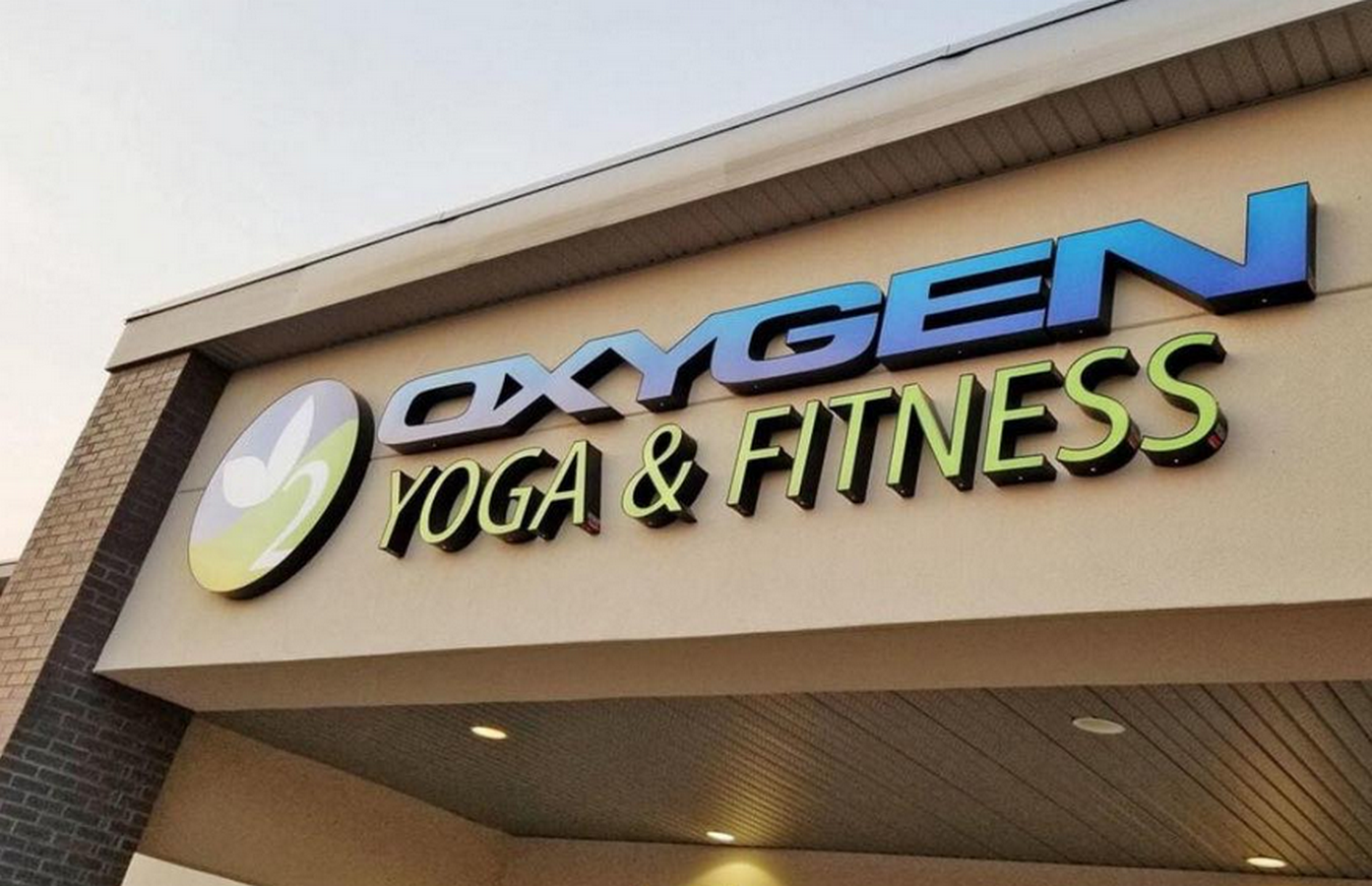 Metal signs have transformed from simple identifiers into powerful tools of artistic expression in modern architecture. Today’s designers leverage advanced fabrication methods to push creative boundaries, turning ordinary spaces into engaging visual experiences.
The blend of artistic vision and technical skill allows architects to create signs that do more than inform. They captivate and inspire. Innovative manufacturing techniques have opened new doors for design creativity.
Here’s how metal signage is reshaping architectural aesthetics:
- 3D sculpting and layering create depth and visual interest
- Custom patinas and finishes add unique character
- LED integration enables dynamic lighting effects
- Mixed material combinations expand design possibilities
- Digital fabrication allows for intricate detail work
The rise of digital technology has revolutionised how architects approach sign design. Computer-aided design tools enable precise control over every aspect, from material thickness to surface texture.
This technical precision and creative innovation let designers tell compelling stories through their work. Metal signs now serve as architectural focal points that enhance the building’s narrative while maintaining their functional purpose of guiding and informing visitors.
Sustainability and Eco-Conscious Solutions
Modern architecture has embraced eco-friendly practices in sign manufacturing, making significant strides in reducing environmental impact. Metal signs now incorporate recycled materials without compromising their visual appeal or structural integrity.
The shift to green manufacturing processes has made recycled metals increasingly popular in architectural applications. The adoption of sustainable practices has sparked innovative approaches in metal sign production.
Manufacturers have developed methods to minimise waste, conserve energy, and utilise renewable resources throughout fabrication.
Here’s how eco-conscious metal signs benefit both buildings and the environment:
- Integration of post-consumer recycled content reduces raw material demand
- Energy-efficient production methods lower carbon footprint
- Zero-waste manufacturing processes minimise landfill impact
- Local sourcing reduces transportation emissions
The sustainability movement has transformed how architects approach signage design. Buildings can achieve their aesthetic goals by choosing environmentally responsible metal signs while supporting green initiatives.
These sustainable choices create lasting positive impacts on the built environment and natural ecosystems, proving that design excellence and environmental stewardship can work together.
Long-Term Value and Lifecycle Benefits
Metal signs represent an architectural investment far beyond their initial visual impact. Their exceptional durability means they can withstand harsh weather conditions, UV exposure, and daily wear while maintaining their appearance for decades.
This inherent strength translates to reduced maintenance costs and fewer replacements throughout a building’s lifespan.
The advantages of metal signage extend beyond durability. These elements offer significant environmental and financial benefits. Metal signs deliver improved insulation properties in architectural applications, contributing to better temperature regulation and building energy efficiency.
These practical advantages include the following:
- Minimal maintenance requirements with natural resistance to rust and corrosion
- Complete recyclability at the end of their lifecycle
- Superior thermal performance that helps reduce energy costs
- Ability to withstand extreme temperature fluctuations
The long-term value of metal signs becomes evident through their sustainability features and lasting performance. They’re increasingly chosen by architects who prioritise responsible design choices that stand the test of time.
By combining aesthetic excellence with practical benefits, metal signs continue to prove themselves valuable assets in modern architectural projects.
Signage with Style
Custom metal signs have revolutionised modern architecture by transforming ordinary structures into memorable landmarks, seamlessly blending form with function.
Through innovative design approaches and advanced fabrication techniques, these architectural elements have proven their worth beyond mere wayfinding, becoming integral components of a building’s identity and storytelling capacity.
The fusion of durability, sustainability, and artistic expression in metal signage demonstrates how thoughtful design choices can create lasting impact while meeting practical needs.