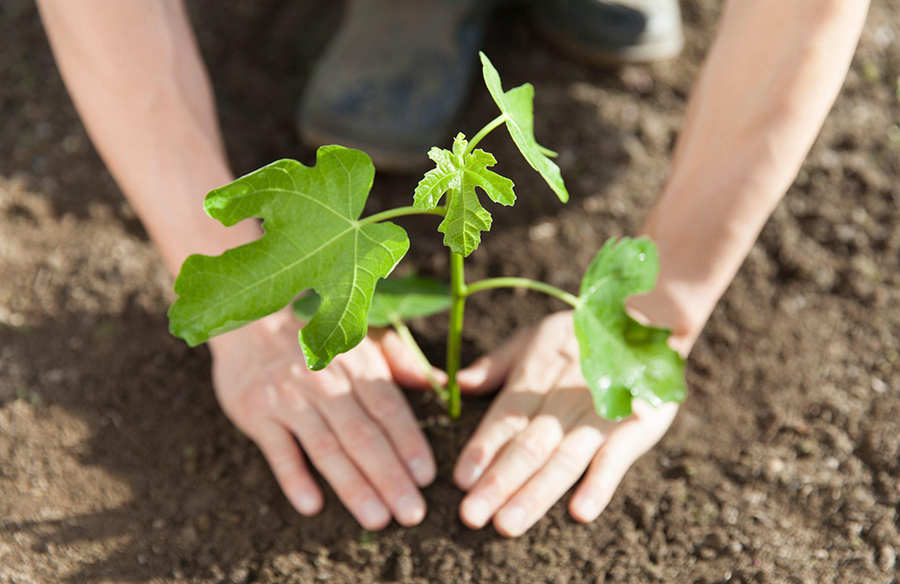
Fig trees are rewarding plants to grow. They offer fresh, sweet fruit and can thrive in a variety of climates. With the proper care, you can enjoy a healthy fig tree that produces delicious harvests year after year.
This guide covers everything you need to know about fig tree care, including watering, pruning, fertilizing, and managing pests. Whether you’re planting in the ground or using a container, these tips will help you keep your fig tree healthy and productive.
Proven Tips for Appropriate Fig Tree Care
Fig trees are surprisingly easy to maintain once you understand the basics. This simple guide explains the key steps to help your fig tree grow strong, produce healthy fruit, and stay vigorous year after year.
Choose the Right Spot
Start by selecting the best location and only purchasing the healthiest fig tree saplings. Look for an area that receives at least six to eight hours of direct sunlight each day, since figs need warmth to develop sweet, ripe fruit. Make sure the soil drains well to prevent root rot.
If your ground is heavy clay or stays wet after watering, consider planting on a raised mound or using a large container with drainage holes. In regions with cold winters, placing your tree near a south-facing wall can provide extra heat and protect it from strong winds.
Water Properly
Consistent watering is an essential part of fig tree care. Young trees need deep watering about once or twice a week, especially during hot or dry weather. This encourages strong root growth, helping the tree establish itself in its first year.
Mature trees usually need less frequent watering, but still prefer steady moisture while fruit is forming. To avoid overwatering, check the soil by sticking your finger a few inches below the surface.
Fertilize Adequately
Feeding your fig tree supports healthy development, but moderation is essential. Too much fertilizer, especially nitrogen, encourages lots of leafy growth but fewer fruits. Use a balanced fertilizer, and avoid fertilizing after midsummer, as new growth at that time is more susceptible to damage from cold weather in the fall.
Spread the fertilizer evenly around the base, keeping a few inches of clearance from the trunk. If your tree appears pale or is growing slowly, you can apply a second, lighter treatment in late spring.
Prune Often
Pruning keeps your fig tree in good shape and improves air circulation through the canopy, which helps prevent disease. The best time to prune is late winter or early spring, while the tree is still dormant.
Begin by removing any dead, broken, or diseased branches. Next, thin out crowded sections so sunlight can reach all parts of the tree and ripen the fruit evenly. If you see branches that cross or rub against each other, cut them back to avoid wounds where pests and diseases can enter.
Invest in Pest Control
While fig trees are generally hardy, you should check regularly for signs of pests and diseases. Scale insects often appear as small, waxy bumps along the branches. If you notice them early, you can scrape them off by hand or use horticultural oil to control infestations.
Also, note that leaf spot, characterized by yellow or brown spots, typically results from excessive moisture on the leaves. Remove any affected leaves and water only at the base to keep foliage dry.
Bonus Tip: Winter Care
Cold weather can be harsh on fig trees, especially young ones or those growing in containers. Once your tree has dropped its leaves, take steps to protect it through winter. For container-grown trees, move them into an unheated garage, basement, or shed where temperatures stay above freezing.
If your fig is planted outdoors, wrap the trunk with burlap or frost cloth to prevent cracking from temperature fluctuations. Pile several inches of mulch around the base to insulate the roots and keep them from freezing.
With these precautions, your fig tree will be ready to wake up healthy in the spring.
Fig Tree Care: It’s Easy if You Do It Right
Growing a fig tree does not have to feel overwhelming.
Once you choose a sunny location, provide steady watering, and prune your tree each year, most of the work is done. Regular checks for pests and a little protection in the winter will keep your fig tree healthy and productive.
With just a few simple steps, you can enjoy fresh, homegrown figs season after season.