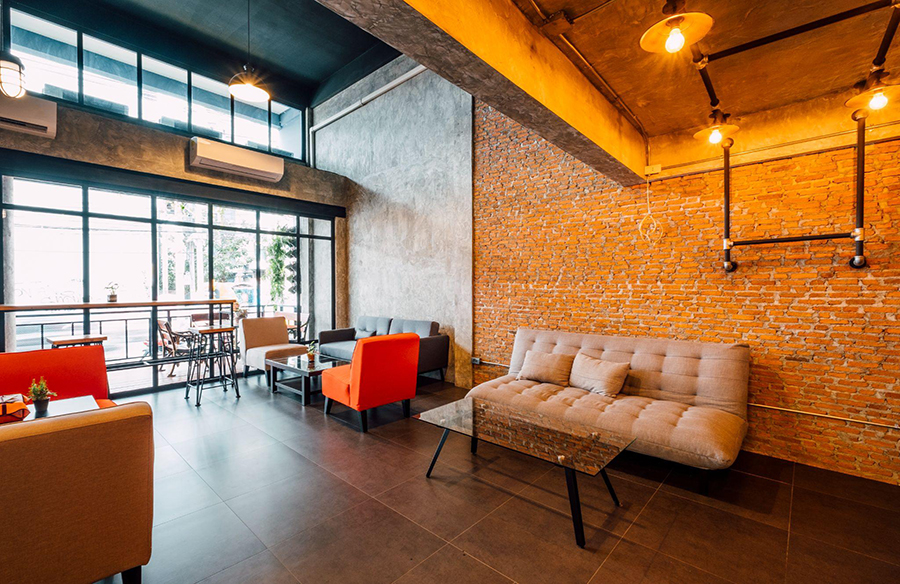
Walk through Downtown LA today and you’ll see something remarkable—old warehouses that once stored goods are now home to thousands of people. Factories where machinery hummed are now airy living spaces with sky-high ceilings. It’s one of the most interesting urban transformations in any American city.
But moving into these converted spaces isn’t quite like moving into a regular apartment. The same features that make lofts appealing also make the transition unique.
What Makes These Buildings Special
Downtown LA’s industrial buildings were built to work, not to be pretty. They needed to support heavy machinery and handle constant loading. So they were built tough—steel frames, thick concrete floors, brick walls. Windows placed for natural light, not aesthetics.
And that’s exactly why they work so well now as homes.
Those 15-foot ceilings? Originally for overhead cranes. The huge windows? Necessary before electric lighting was cheap. The open floor plans? You can’t run an assembly line with walls everywhere.
What’s fascinating about adaptive reuse is that the best conversions celebrate this history. They keep exposed beams visible, leave brick walls raw, and show off massive timber columns. You’re not just getting a place to live—you’re getting a piece of LA’s industrial past, reimagined.
Making Industrial Spaces Feel Like Home
Here’s where it gets tricky. Taking a space designed for manufacturing and turning it into somewhere people want to live requires serious thought.
A loft isn’t just an apartment with higher ceilings. The whole spatial logic is different. You don’t have rooms handed to you—you create them yourself within one big open space.
How do you create privacy in an open space? Where does sound go with concrete floors and exposed brick? How do you heat these huge volumes efficiently?
Some people use furniture as dividers—a bookshelf marks the bedroom, a rug defines the living area. Others build partial walls or install sliding panels. Many conversions include mezzanine levels, using vertical space for sleeping areas or offices above the main floor.
The trick is adding what you need without killing what makes the space special. It’s about layering your life into the space, not fighting it. This balance is at the heart of reusing abandoned buildings successfully.
The Reality of Moving Day
Let’s talk practical stuff—getting your furniture up those stairs.
Many of these buildings had loading docks and freight elevators. But decades of conversion work means those features are often modified or gone. That freight elevator might now be the only elevator, shared by 50 units. Or it’s been replaced by a smaller one that’s questionable for your couch.
Then there’s building access. Lots of lofts front directly onto busy downtown streets. No alley. No loading zone. Just you, your truck, and whatever parking you can grab on Spring Street at 8 AM on a Tuesday.
And the narrow hallways? Designed for workers, not for maneuvering a king-size mattress around corners.
Working with movers who know downtown makes a huge difference. Mario Moving Company has been through these buildings dozens of times. They know which have service elevators in back, which require moving blankets for walls, and which doorways are wider than they look.
Different Neighborhoods, Different Challenges
While Downtown is the heart of LA’s loft scene, it’s not the only option. West Hollywood has lofts too—usually conversions of smaller commercial buildings. Different scale, more intimate, often just two or three stories.
But different challenges. Narrower streets. More competitive parking. Older buildings with restrictive access. Many West Hollywood lofts are on commercial corridors like Santa Monica Boulevard—heavy traffic, limited loading zones, coordinating with ground-floor retail.
Moving Services in West Hollywood understand these neighborhood-specific challenges. They know the permit requirements, best times to schedule, and how to work with building managers.
Before You Move: Plan Your Space
You need to plan how you’ll use your loft before moving in. With traditional apartments, it’s obvious where things go. But in a loft, you’re making those decisions.
Furniture that worked in your old place might look wrong—or lost—in 1,200 square feet with 14-foot ceilings. Measure everything. The interior dimensions, yes, but also the path furniture takes to get there. Door widths, hallway turns, elevator dimensions.
Think about how you actually live. Need a home office? Where will it go? How will you deal with noise? Do you want your bed visible from the door?
These questions are easier to answer before you’ve moved everything in.
Coordinating the Move
Moving into a downtown loft means more coordination than typical apartments. Buildings have rules—often lots of them.
Most only allow moves on weekdays during specific hours, typically 8 AM to 6 PM. You’ll need to reserve the elevator a week ahead. Some require proof your movers are licensed and insured. Others want a damage deposit.
Timing matters in downtown. Traffic is brutal. The sweet spot is early morning—8 or 9 AM, after rush hour but before things get hectic.
And because most lofts are on upper floors, everything goes through that elevator. Multiple trips, patience required.
Settling In
These spaces take getting used to. The acoustics are wild—all those hard surfaces bounce sound everywhere. Most people add rugs, curtains, upholstered furniture to absorb sound.
Temperature control is different too. Concrete and steel hold heat or cold for a long time. Your loft takes forever to warm up in winter, but once it’s warm, it stays that way.
And storage—where do you put stuff with minimal walls and maybe no closets? You get creative. Invest in good-looking storage furniture. Use high ceilings with tall shelving. Learn to live with less.
But once you adjust, most people wouldn’t trade it. The light through those huge windows. The feeling of space. The character from exposed brick and old timber beams.
Embracing the Change
Moving into a downtown LA loft isn’t just changing your address—it’s choosing a different way of living. More connected to the city’s history, more open, less conventional.
These moves take planning. Understanding both the architecture and the logistics. But approach it thoughtfully, work with people who know what they’re doing, and stay flexible when things don’t go as planned.
You get to live in a space that tells a story. That connects LA’s industrial past to its creative present. That gives you room to breathe and ceilings high enough you never feel closed in.
That’s worth the extra planning.