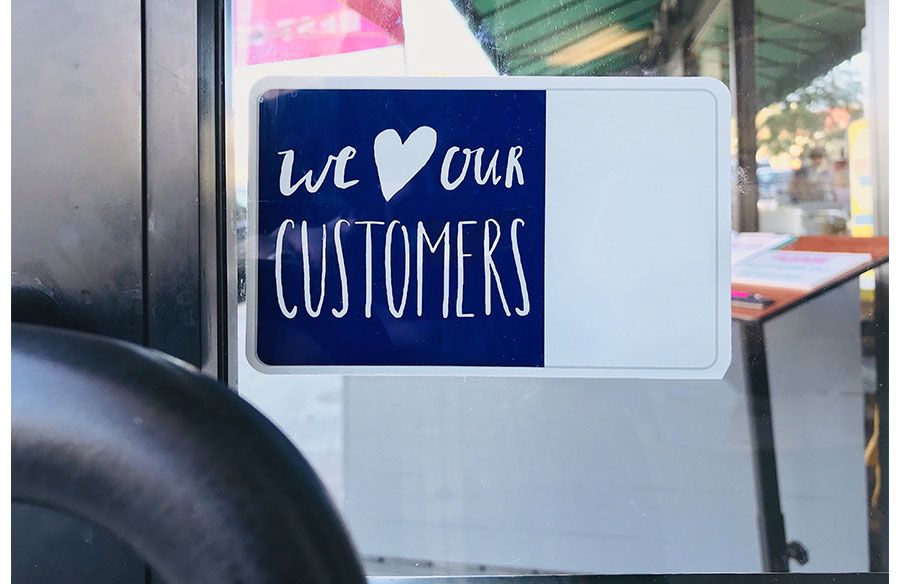
Customer experience may be the single most important factor for the long-term health of your business. With a better customer experience, you’ll generate more revenue, more good will, and more customer loyalty. How exactly does the quality and placement of your signage impact customer experience? And what strategies should you follow to get the most out of it?
First Impressions Begin at the Door
The customer experience starts before the first hello. The moment someone sees a sign, whether it’s a storefront logo, a directional marker, or a digital display, they begin to interpret your brand. Clear, well-designed signage communicates professionalism and reliability. On the other hand, a faded or cluttered sign sends the opposite message, creating uncertainty before the customer even walks in.
You do have some options here. For example, warm, welcoming signage conveys friendliness and approachability, while sleek, minimalistic designs give off a modern, upscale vibe. No matter what, consistency across all signs, including alignment on fonts, colors, and logos, builds trust and reinforces identity.
Reducing Confusion and Frustration
One of signage’s most practical benefits is navigation, but confusing or poorly placed signs can lead to frustration and wasted time. Customers who struggle to find what they need may feel unwelcome or even give up and leave.
Good signage eliminates that uncertainty. Directional and informational signs placed at key points help visitors move confidently and easily through your space. They also minimize the need for staff to give verbal directions, freeing employees to focus on more meaningful customer interactions. When customers can find what they’re looking for effortlessly, they associate that efficiency with your brand’s competence. It’s a small detail that creates a big emotional payoff: less stress, more satisfaction.
Creating a Consistent Brand Experience
Effective signage goes beyond functionality; it extends your brand story. Every sign is a visual opportunity to remind customers who you are and what you stand for. Using consistent design elements, such as color palettes, fonts, and logos, makes your space feel cohesive and professional. For example, a boutique that uses elegant script lettering on its main sign should carry that same aesthetic through its dressing room signs and product tags. A tech company might use sleek typography and LED lighting to reinforce its innovative image. The important thing is that your image is consistent and in alignment with your brand.
Encouraging Engagement and Discovery
Well-planned signage also encourages customers to explore more of what you offer. In a retail environment, subtle prompts like “New Arrivals This Way” or “Customer Favorites Ahead” gently guide people toward key products or promotions. In restaurants, menu boards or digital displays can highlight specials and drive higher sales. Even in service-oriented businesses, signs that showcase values, achievements, or company history deepen engagement.
For example, an office lobby featuring branded wall graphics about community involvement or sustainability tells visitors they’re dealing with a company that cares. The key is to strike a balance; you want to be informative but not overwhelming, and inviting but not pushy.
Improving Accessibility and Inclusivity
Modern customer experience design must account for accessibility, and signage plays a big role here too. Signs that incorporate clear contrasts, large fonts, and easy-to-read symbols make navigation simpler for everyone, including those with visual impairments.
In many public or commercial spaces, ADA-compliant signage, including Braille and tactile lettering, is required. But beyond compliance, inclusive signage communicates respect. When every visitor can easily find restrooms, exits, or customer service desks, they feel considered and valued.
The Emotional Side of Navigation
The best signage systems do more than give directions; they reduce a customer’s cognitive load. When customers can move through a store or building without confusion, they relax. That sense of ease leads to longer visits, more purchases, and better overall satisfaction. This is especially true in large or complex spaces like shopping centers, hospitals, or campuses. Wayfinding that feels intuitive creates a sense of calm, while confusing layouts can make even beautiful environments stressful. Clear signage transforms a chaotic visit into a smooth, positive experience.
Digital Signage and Real-Time Communication
Digital displays have become increasingly common as businesses look to engage customers dynamically. They can update information instantly, show personalized messages, or display promotions in real time. For example, a retail store might use digital signs to highlight daily deals or feature new arrivals, or a hotel could display conference schedules or welcome messages for event attendees. These small touches make customers feel recognized and informed, which strengthens loyalty.
Improving Customer Experience Through Signage
Simply put, better signage creates better experiences. It simplifies navigation, reinforces your brand identity, builds trust, and helps customers feel cared for from the moment they arrive. And in today’s competitive marketplace, that positive experience can be the difference between a one-time visit and a lifelong relationship.