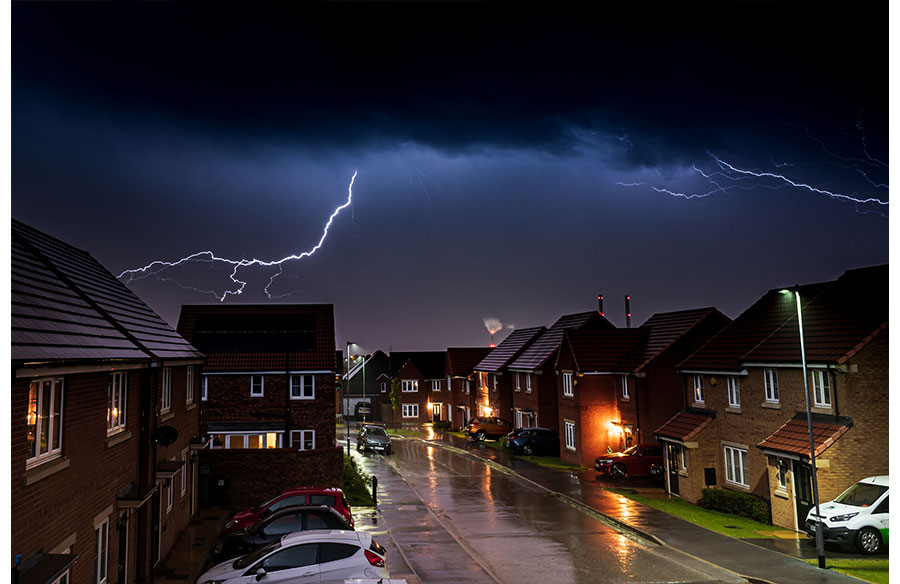
Lightning is a natural phenomenon that can be a potential threat to homes and buildings. However, most people underestimate these dangers. In this article, we will discuss some common myths about lightning protection and explain how you can keep your home safe during storms.
Myth 1: Lightning Never Strikes the Same Place Twice
This myth implies that if lightning strikes a place once, it will not do so again. Actually, lightning often strikes the same place more than once, particularly near skyscrapers or a tree. The high altitude and conductivity of these objects tend to lure repeated strikes. Recognizing that no place is immune and taking precautionary steps to protect property is very important if you want to learn how to protect a house from lightning.
Myth 2: A Lightning Rod Attracts Strikes
Many people think that a building with a lightning rod is more likely to be struck. This is a misconception. They may be called “lightning rods,” but they do not attract lightning strikes; they simply direct the discharge into the ground safely. These rods guide electricity away from a building, which protects it from damage and minimizes the chance of fire. For best results, it is advised to let professionals install them.
Myth 3: Surge Protectors Protect from a Direct Strike
People often think that a surge protector shields them from a lightning strike. They’re only there to somewhat protect you from a surge of power, not the instance of a lightning strike. While surge protectors will protect you against small fluctuations in power, a direct hit is far too large and powerful for them. You need more than a point-of-use filter to adequately protect your house.
Myth 4: Only High-Rise Buildings Need Protection
There is also the idea that only tall buildings or skyscrapers need protection from lightning. However, height alone does not dictate what a lightning strike will hit, as it will most often strike anything in the path if conditions are right. As much as we often associate larger buildings with needing protection from potential threats, it is important to note that all buildings, regardless of their size, need to implement safety precautions.
Myth 5: If You Are Inside, Lightning Won’t Reach You Via an Open Window
One widely held misconception is that lightning cannot go through the glass window. Certainly, glass is not a conductor, but that doesn’t change the fact that lightning can enter a building through electrical wiring or plumbing. During a storm, it is a good idea to stay away from the windows. It is equally important to not use any electrical appliance or plumbing fixture to reduce the risk.
Grounding as a Concept
Lightning protection becomes crucial if the ground connection is weak. It consists of establishing a direct line for electric currents to be dissipated safely into the ground. Proper grounding ensures that lightning is safely dissipated away from buildings. This setup can prevent fires, electrical surges, and serious injuries. It is important to hire a professional to review and set up proper grounding systems.
Insurance Against Lightning and Thunderstorms
Having the right insurance in place is as important as taking physical measures. Your homeowner’s insurance can financially compensate you for damages caused by lightning strikes. To prepare for what could happen, homeowners should review their policies and be aware of coverage limits. Take photos to document property conditions, and keep records that can all support your claims.
Taking Preventive Measures
Not getting your lightning rods and grounding systems serviced regularly can result in malfunction. Cutting trees close to houses reduces the risk of the structure catching fire. With the help of surge protectors, you can cancel out small spikes in your electricity supply by plugging them into all your important household devices. Educating family members on safety practices during storms is also crucial.
Conclusion
Understanding these misconceptions related to lightning can help homeowners protect their properties during storms. Taking precautions and being proactive can reduce the dangers linked to lightning and thunderstorms.