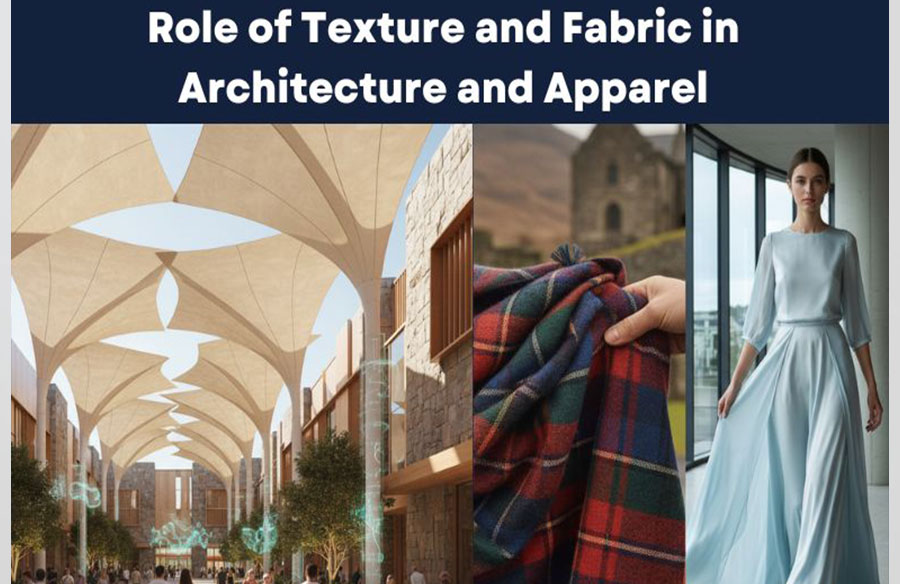
Texture refers to the feel of any surface while fabric is the material having that surface. Both things are different but play an important role in two different industries: apparel and architecture. The role of fabric in architecture might be new for many but this discussion will clarify everything. So, let’s begin our discussion with understanding their role in it, architecture, then we will talk about apparel.
Role of Texture and Fabric in Architecture
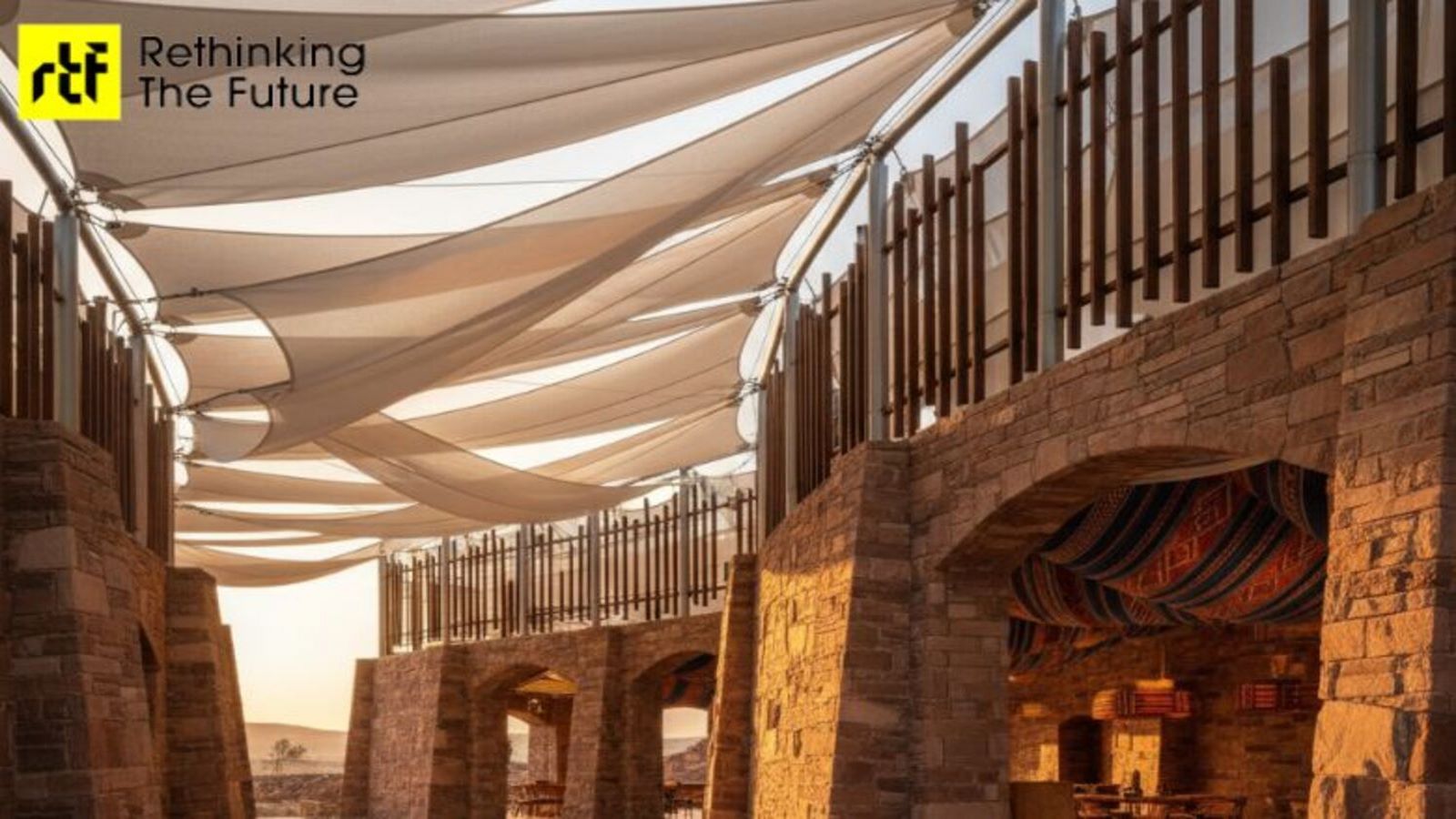 Texture and fabric are important elements in architecture and interior design as they provide aesthetical depth and numerous functional benefits. Moreover, the integration of AI (artificial intelligence) has brought numerous miracles in the architecture industry.
Enhances Visual and Tactile Experience
Both things in the architecture department bring a vibrancy to optical and tactile flair. They add depth, contrast, and warmth to spaces resulting in engagement and influencing the feel. They have the potential to transform an ordinary space into inviting and aesthetically rich architectural experiences.
Contributes to Environmental Performance
When it comes to the role of texture and fabric in architectural environmental performance, they are highly used for insulation purposes as well as enhancing natural light. Designers often opt for fabrics like tensile structures to reduce energy consumption by providing shade. Textured surfaces, on the other hand, help to regulate temperature by trapping air for better insulation and supporting cultural and contextual expression
Role of Texture and Fabric in Apparel
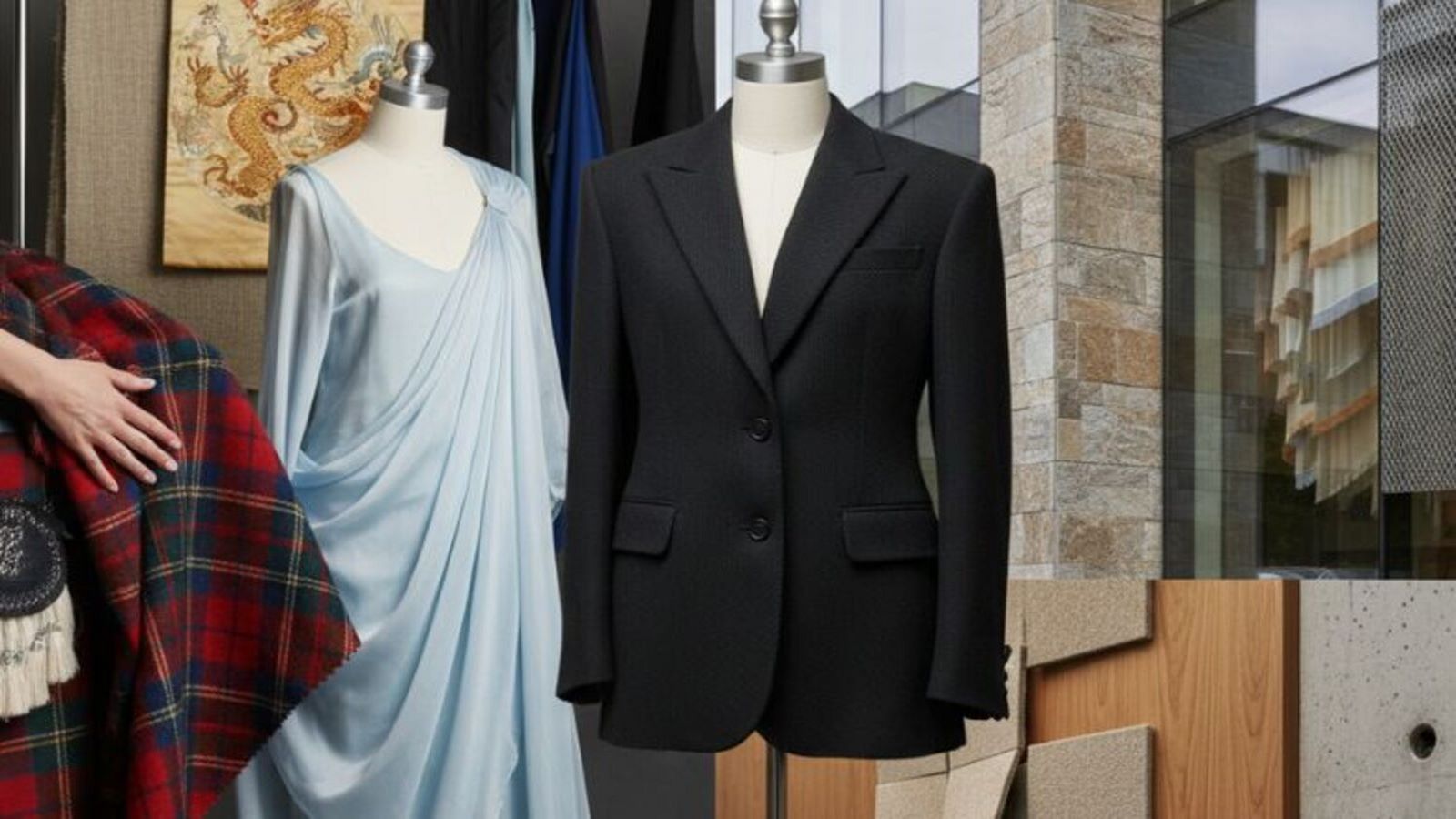 The role of texture and fabric is also crucial in the apparel and fashion industry. They crucially define everything including the performance and visuals of a dress, as they do in the architecture industry. Moreover, the varied number of materials enhance the experience comparatively.
Defines Aesthetic and Stylistic Appeal
The fabric and texture significantly improves the experience and helps traditional and modern dresses to offer what they actually mean. Let’s clear this point with a tartan kilt, which is traditional clothing and soft and warm by nature. Some people enhance its warmth and comfort by using synthetic materials such as polyviscose and cotton that also have distinctive texture.
Impacts on Wearability
The wearability of a clothing is highly impacted by its texture and quality of fabric. Some materials such as cotton, silk, and wool are widely accepted as being exceptionally soft, breathable, and effective temperature regulators.While the synthetic materials primarily focus on durability and stretch of the clothing instead of comfort.
Likewise, the texture and fabric material also impact how your dress feels on the skin along with contributing to wearability and overall comfort even after wearing it for all day long.
Influences Garment Structure and Drape
The texture and weave of a fabric, whether it is stiff or soft, directly affects how a garment is structured and how it drapes, regardless of its weight. These characteristics determine how the fabric moves, hangs, and interacts with the body.
For example, lightweight and fluid fabrics like chiffon or silk create soft, flowing silhouettes that move gracefully. In contrast, tightly woven and heavier fabrics are more rigid, helping garments maintain a structured shape and form.
Communicates Identity and Symbolism
Last but not least, texture and the fabric are also the representatives of culture and symbolism. How do they do it? Let us get help from a couple of examples. The first one is the tartan kilts mentioned above. They are traditionally made with wool and the warmth and soft touch are their identities. That’s why whenever we talk about kilts, these two traits unintentionally come to mind. Another example is the lustrous feel of Chinese silk that was invented 8500 years ago and was initially known for emperor feel and today highly valuable in the entire world.
Texture and fabric serve as effective features in both architecture and apparel as they enhance aesthetics, functionality, and cultural value. In architecture, their role is crucial in environmental performance and physical experiences. While they influence wearability, structure, and symbolism in the fashion department.
FAQs About the Part of Texture and Fabric
What are some innovative fabric technologies used in modern architecture?
Innovative fabric technologies in modern architecture include PVC-coated polyester or PTFE-coated fiberglass. These fabrics are dynamic, lightweight structures, and smart textiles with embedded sensors for climate control and security.
Can fabric structures be used as permanent architectural solutions?
Yes, many fabric textures are the long-lasting architectural solution. Some examples are tensile membrane structures. air-supported structures, and pre-engineered frame structures.
What are the differences between natural and synthetic textures in design?
Natural textures are made from natural ingredients such as wool, cotton, and silk, as their name clarifies. The construction of synthetic materials takes place with artificial substances such as poly-viscose, nylon, and spandex. They resemble the original fabrics but offer different properties.
Can fabric in architecture be functional as well as decorative?
Yes, fabric serves as both functional and decorative in architecture. Some of its decorational uses are light diffusion and creating visual interest through color and texture. When it comes to practical features, they manage sound, temperature, and add aesthetic value.
What are some challenges designers face when working with textured materials?
Designers often face several changes while dealing with texture materials. First of all, they are tricky to get the right color as it may change when light hits the surface. Such fabrics can trap dust and stains, which means maintenance is also a challenge. Last but not least, they are more expensive to produce and require more time to make.